
A whimsy room transforms a flat, forgettable space into one with genuine personality and visual delight. This approach creates a room that feels collected and intentional instead of chaotic or overdone. This guide delivers 22 specific strategies for building a whimsical room from the ground up. Start with your anchor color before you touch furniture or accessories.
Before You Begin: 3 Foundation Steps to a Whimsy Room That Works
These three steps prevent the single biggest whimsy room mistake: buying playful pieces before establishing any structure. A strong foundation lets every quirky object you add later actually read as intentional.
1. Define Your Whimsy Theme Before Buying Anything
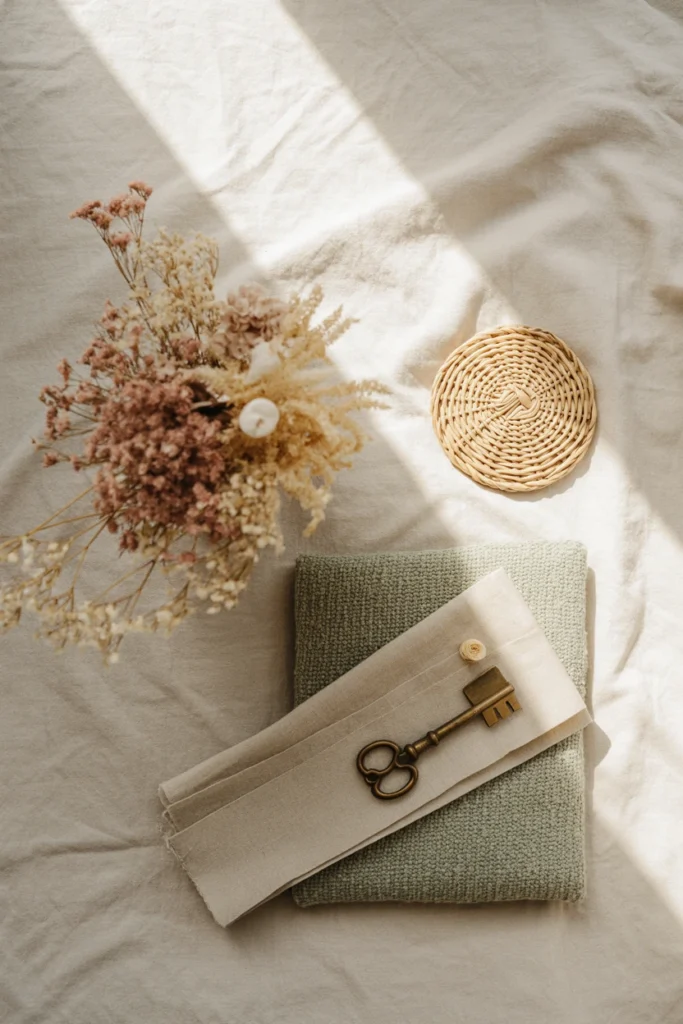
A whimsy room without a defined theme collapses into visual noise within months. Random cute objects pile up without any connecting thread, and the space starts to feel cluttered rather than curated. Defining one clear theme first prevents wasted purchases and gives every future decision a filter to pass through.
Start by picking one of four core whimsy directions: cottagecore, fairytale maximalist, retro-eclectic, or storybook botanical. Write this theme on a sticky note and place it inside your closet door as a constant reference point. Following one theme consistently makes mismatched furniture and colors look deliberate instead of accidental.
| Whimsy Theme | Core Visual Signature |
| Cottagecore | Florals, rattan, muted sage and cream tones |
| Fairytale maximalist | Canopy beds, jewel tones, gold accents |
| Retro-eclectic | 1970s curves, mustard and rust, mixed prints |
| Storybook botanical | Leaf motifs, terracotta, natural wood |
2. Choose One Anchor Color to Ground the Room
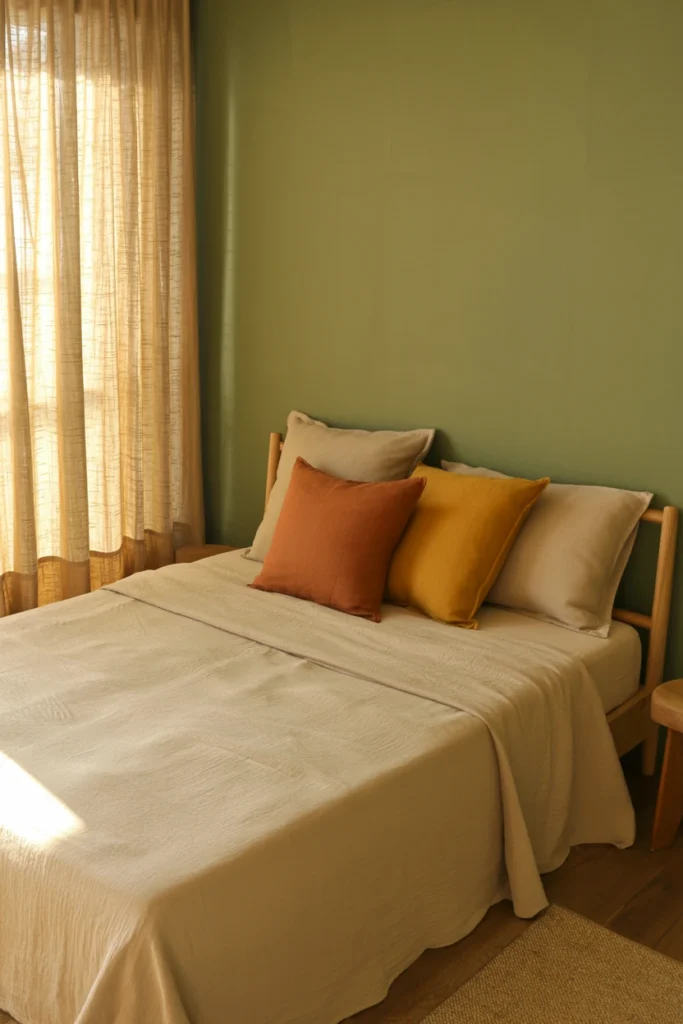
A whimsy room with five competing colors and no anchor reads as messy within seconds of walking in. Every wild pattern or bold accent needs one steady color to return to, or the eye has nowhere to rest. This single decision determines whether your finished room feels playful or genuinely overwhelming.
Pick one anchor color and apply it to at least 40 percent of the room through walls, bedding, or a large rug. Choose a muted or dusty version of a color rather than a saturated one, since dusty tones absorb bold accent colors more easily. This single choice makes every future pattern-mixing decision dramatically easier to make correctly.
| Anchor Color Family | Best Paired Accent Tones |
| Dusty sage | Terracotta, mustard, cream |
| Blush pink | Burgundy, forest green, brass |
| Warm cream | Rust, teal, ochre |
| Soft lavender | Sunflower yellow, sage, dusty rose |
3. Set a Budget Cap for Statement Pieces
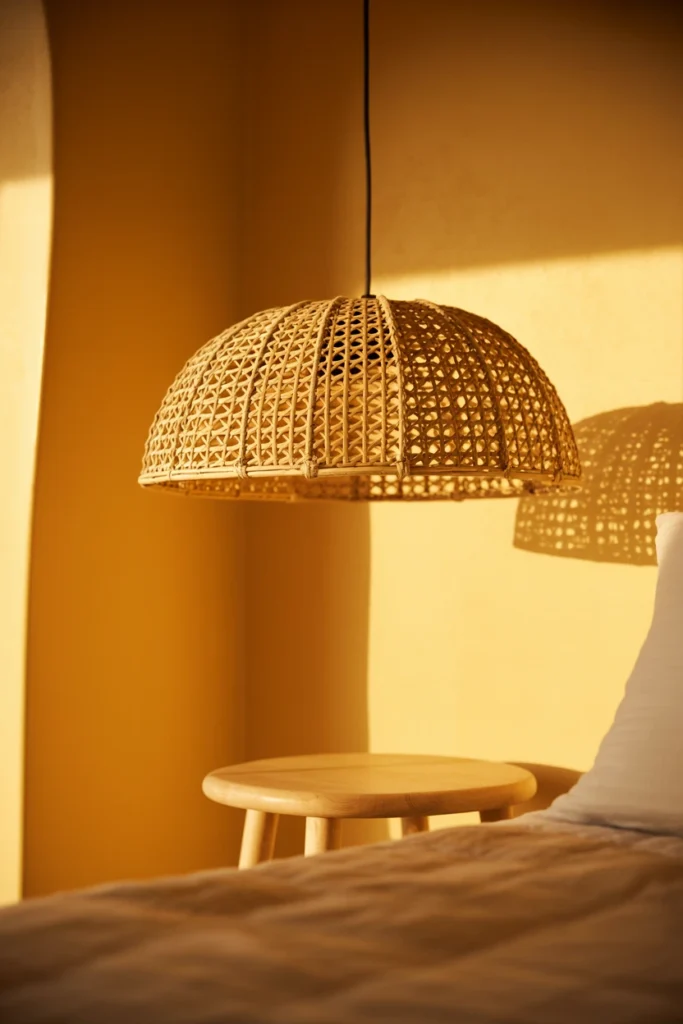
An unlimited whimsy room budget almost always produces an overcrowded space, not a better one. Statement pieces compete for attention when there are too many of them, and the room loses its single clear focal point. A fixed cap forces genuinely selective choices instead of impulse purchases that clutter the space later.
Set aside 60 percent of your total decor budget for exactly one or two statement pieces, not five small ones. Reserve the remaining 40 percent for supporting textiles, small objects, and finishing touches. This structure genuinely prevents the scattered, overstuffed look that undermines most first-attempt whimsy rooms.
| Budget Allocation | Recommended Percentage |
| Statement furniture piece | 40% |
| Statement lighting | 20% |
| Textiles and bedding | 25% |
| Small objects and accents | 15% |
Color and Pattern Choices That Define Whimsical Room Decor
Pattern mixing and unexpected color choices separate a genuinely whimsical room from a plain one. These strategies control how much visual energy each pattern or hue contributes to the space.
4. Layer Two Clashing Patterns in One Palette
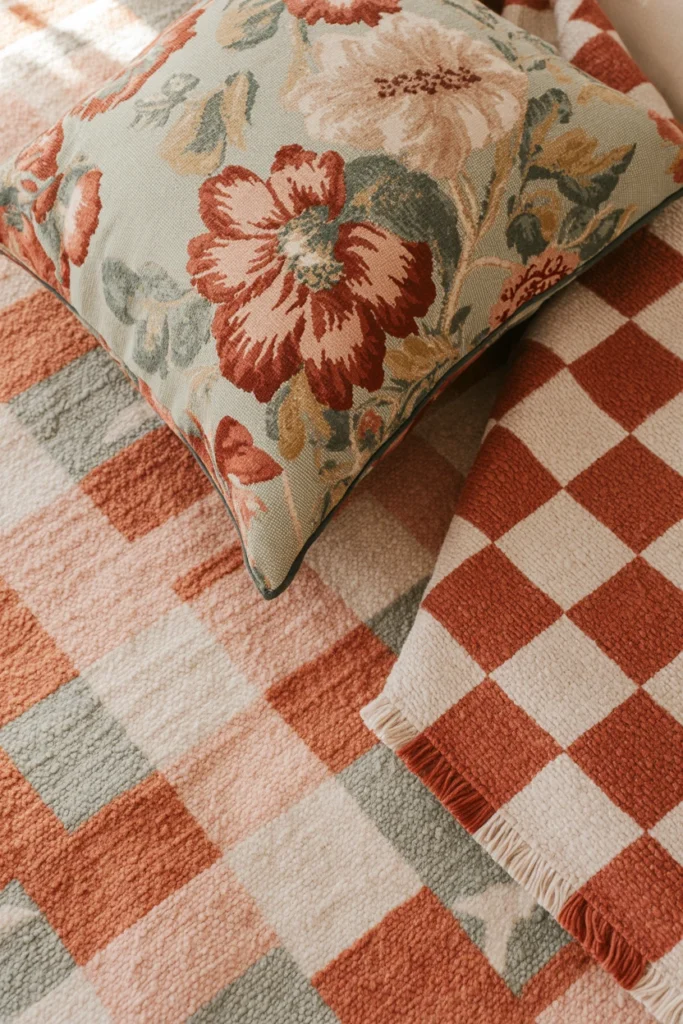
A single pattern in a whimsy room reads as flat and predictable rather than playful. Two patterns layered without a shared color story create visual chaos instead of the intended charm. The right pairing depends entirely on matching the color palette while contrasting the pattern scale.
Pair one large-scale pattern, such as an 8-inch floral repeat, with one small-scale pattern, such as a half-inch checkerboard. Keep both patterns within the same three-color palette so they visually belong to the same room. This pairing rule consistently produces a curated look even when the patterns themselves are bold.
| Pattern Combination | Scale Pairing |
| Floral + gingham | Large floral, small check |
| Stripe + polka dot | Wide stripe, small dot |
| Paisley + solid texture | Medium paisley, plain weave |
| Botanical + geometric | Large leaf, small diamond |
5. Paint One Wall in an Unexpected Saturated Hue
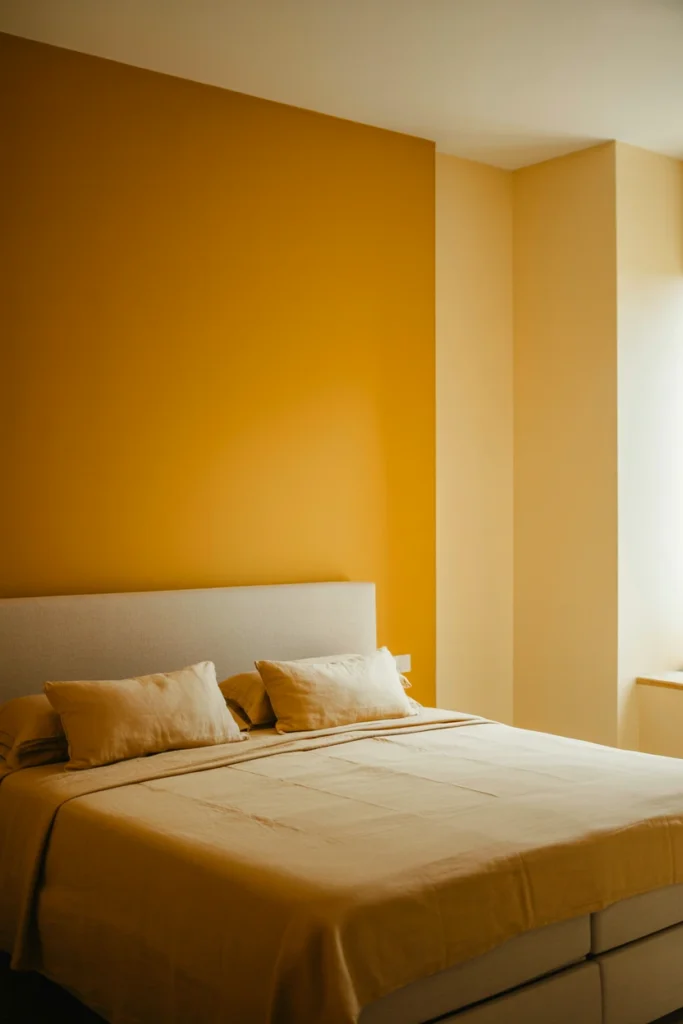
A whimsy room with only neutral walls loses its most powerful tool for instant personality. Neutral walls force every other element in the room to carry the entire playful mood on its own. One saturated accent wall permanently establishes the room’s character before you add a single object.
Choose one wall, ideally the headboard wall, and paint it in a saturated color from your accent palette, not your anchor color. Keep the remaining three walls in a soft neutral so the saturated wall functions as a clear focal point. This contrast defines the room’s whimsy instantly, even before furniture arrives.
| Wall Color Choice | Effect on Room |
| Mustard yellow | Warm, energetic focal point |
| Deep terracotta | Cozy, grounded statement |
| Dusty plum | Moody, fairytale character |
| Forest green | Botanical, storybook feel |
6. Mix Vintage Florals with Modern Geometric Prints
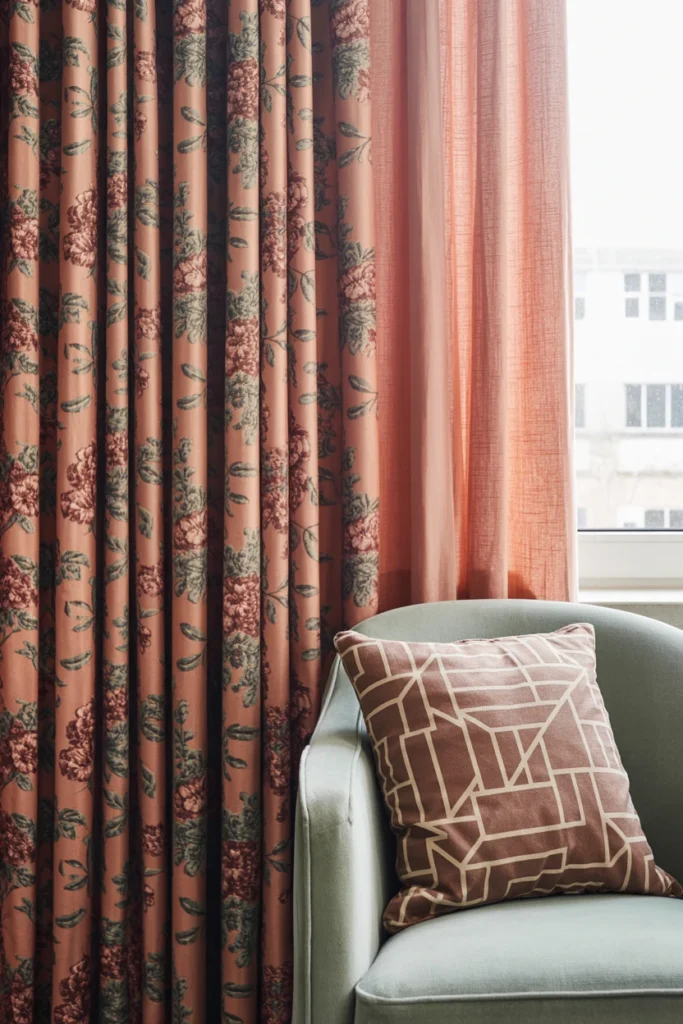
Choosing only vintage patterns or only modern patterns limits a whimsy room to a single decade’s aesthetic. This narrows the room’s character and often makes it look staged rather than personally collected. Combining eras is the single most effective way to create genuinely eclectic whimsical decor.
Source one vintage floral textile, such as a curtain panel or thrifted quilt, and pair it with one modern geometric print from a current retailer. Keep both items within your three-color anchor palette to maintain cohesion. This mix creates the collected-across-time look that defines the most successful whimsical interior design.
| Era Pairing | Where to Apply |
| Vintage floral | Curtains, quilt, accent chair |
| Modern geometric | Throw pillows, rug, lampshade |
| 1970s curve motif | Mirror frame, side table |
| Contemporary solid | Bedding base, wall paint |
7. Add a Rainbow Accent Through Textiles Only
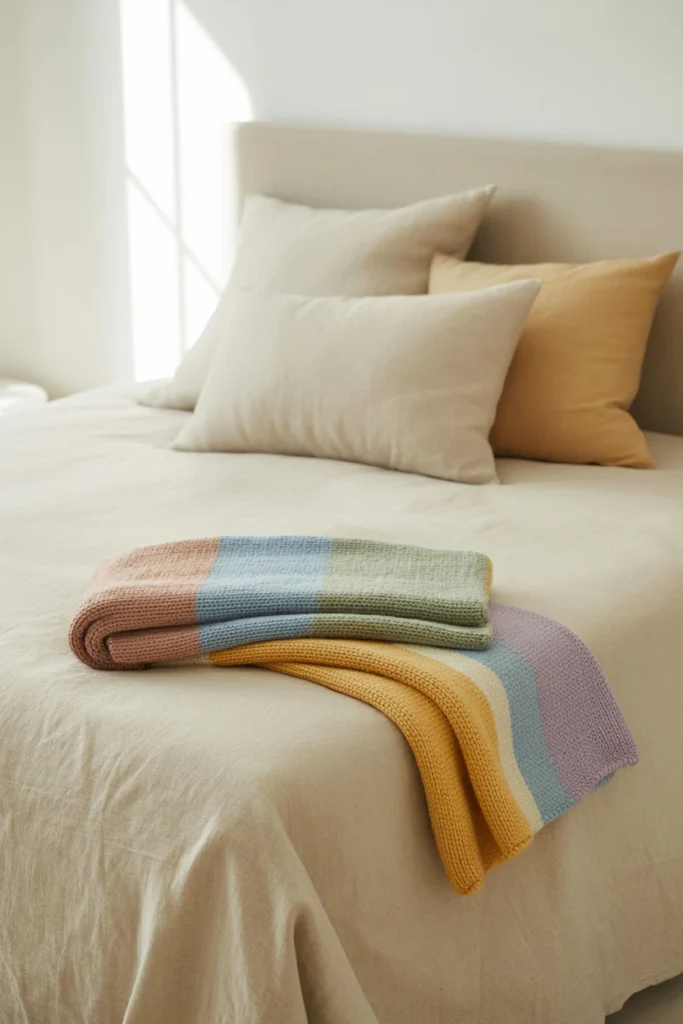
Rainbow accents applied to furniture or walls permanently commit the room to a specific color story. This limits future flexibility and can quickly push the room from whimsical into overwhelming. Restricting rainbow accents to textiles keeps the playful effect while preserving the ability to update it later.
Add one rainbow-striped textile, such as a throw blanket or a single accent pillow, rather than distributing rainbow tones across multiple items. Keep every other textile in the room solid or subtly patterned to let this one piece stand out. This single accent delivers a genuinely playful pop without overwhelming the anchor palette you already established.
| Rainbow Item Type | Commitment Level |
| Throw blanket | Low, easy to swap |
| Accent pillow | Low, easy to swap |
| Area rug | Medium, harder to change |
| Wall paint | High, permanent choice |
8. Limit Your Palette to Three Core Colors
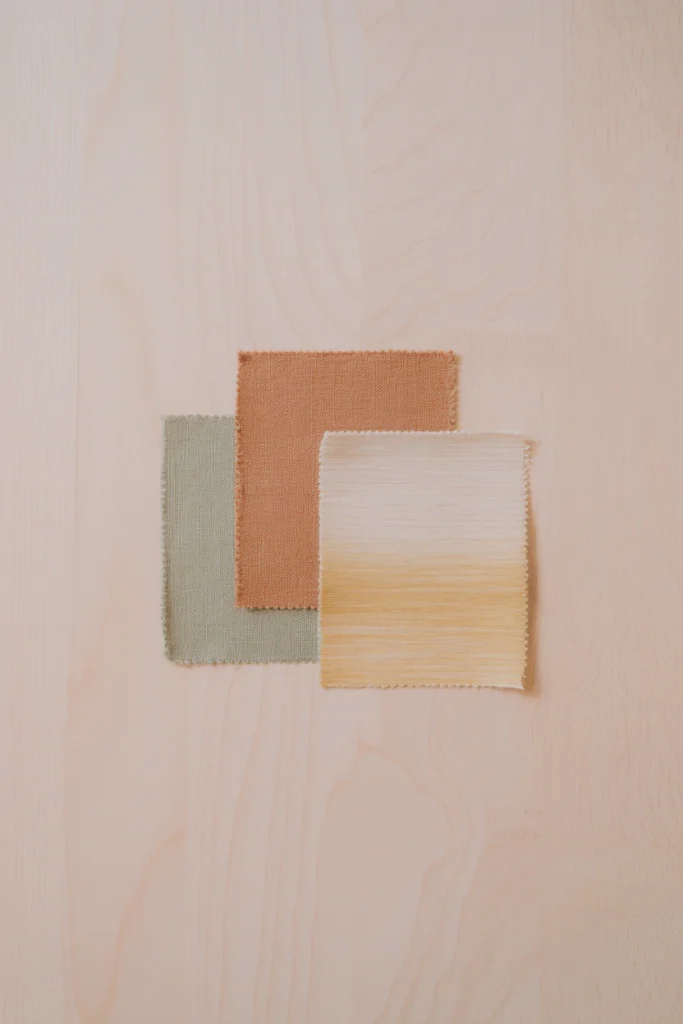
A whimsy room using five or more colors at once loses the anchor structure established earlier in this guide. Too many competing hues eliminate the sense of intention that separates whimsical decor from cluttered decor. A strict three-color limit keeps every pattern-mixing and object-styling decision cohesive.
Select exactly three colors total: one anchor, one accent, and one neutral, then check every future purchase against this list. Reject any item that introduces a fourth color unless it appears only in a small, secondary detail. This limit transforms a room full of individually cute objects into one cohesive, genuinely whimsical space.
| Color Role | Example Palette |
| Anchor (40%) | Dusty sage |
| Accent (35%) | Terracotta |
| Neutral (25%) | Warm cream |
| Fourth color | Avoid except in small accents |
Furniture and Layout for a Playful Whimsy Bedroom or Living Space
Furniture shape and arrangement carry as much whimsy as color and pattern. These strategies control how the room’s layout supports rather than fights the playful theme.
9. Anchor the Room with One Sculptural Furniture Piece
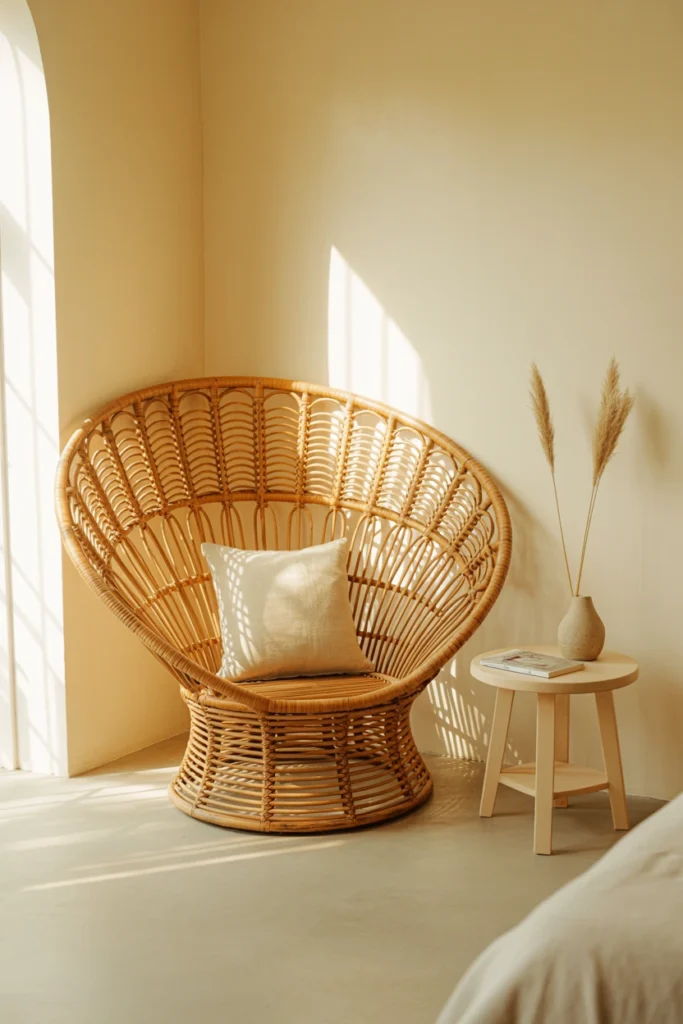
A whimsy room without one clear furniture focal point forces every small object to compete for attention. This scatters visual weight evenly across the space instead of concentrating it in one memorable piece. One sculptural item permanently gives the eye a starting point every time someone enters the room.
Choose one furniture piece with a distinctly curved or unusual silhouette, such as a rattan peacock chair or a scalloped headboard. Place this piece where it is the first thing visible from the doorway. This single choice instantly organizes the entire room around one confident, memorable focal point.
| Sculptural Piece Type | Approximate Price Range |
| Rattan peacock chair | 150–400 |
| Scalloped headboard | 200–600 |
| Curved accent bench | 180–350 |
| Sculptural floor mirror | 120–300 |
10. Arrange Seating in an Asymmetrical Cluster
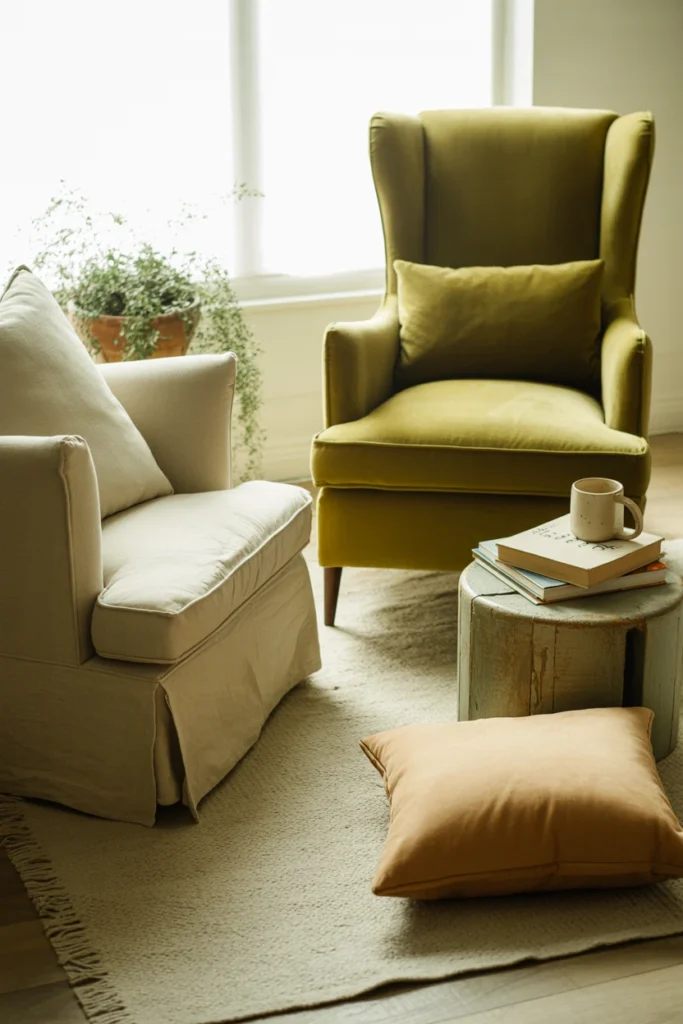
Perfectly symmetrical furniture arrangements read as formal and structured, the direct opposite of a whimsical mood. Matched pairs of chairs facing each other create a stiff, showroom feeling that undercuts every playful color choice already made. Breaking symmetry in the seating layout is what makes a room feel personally collected over time.
Arrange three seating pieces of different heights and styles in a loose triangle rather than a straight line or mirrored pair. Vary the distance between each piece by at least 12 inches so the cluster avoids a gridded feel. This layout genuinely reinforces the collected-not-matched character central to whimsical room decor.
| Seating Arrangement | Visual Effect |
| Straight line, matched | Formal, showroom feel |
| Mirrored pair | Symmetrical, stiff |
| Loose triangle, varied height | Casual, collected |
| Scattered cluster | Playful, lived-in |
11. Install a Canopy Frame Over the Bed
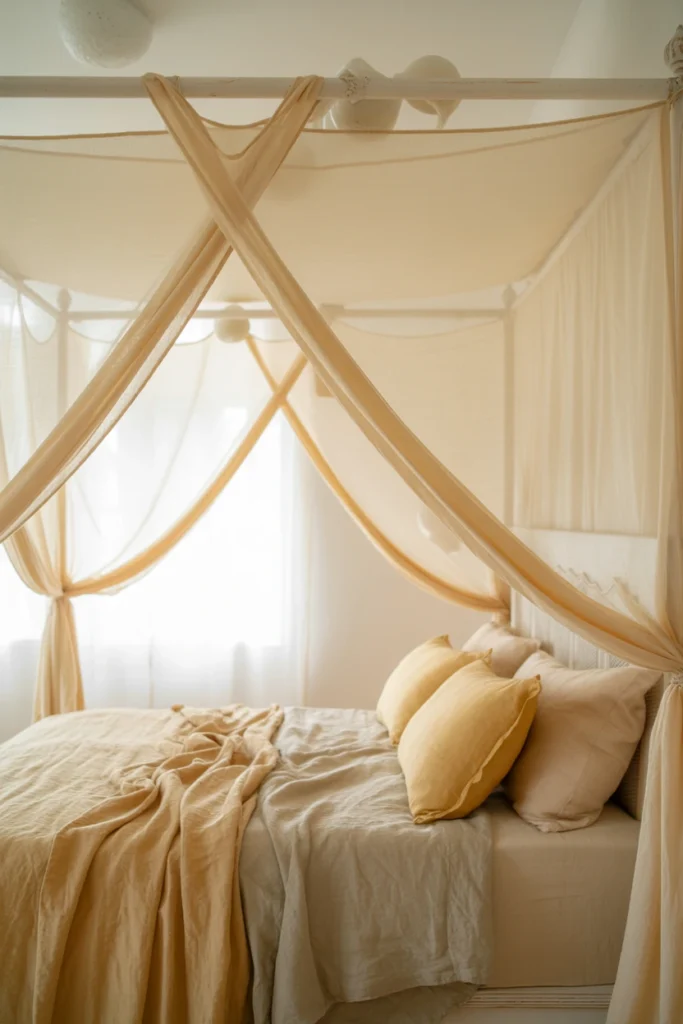
A standard bed frame without any vertical element leaves the whimsy room’s upper space entirely empty and unused. This wastes the most visually impactful zone in a bedroom, since eye level naturally travels upward first. A canopy frame instantly adds height, softness, and a distinctly fairytale quality to the entire room.
Install a four-post or ceiling-mounted canopy frame and drape it with a sheer, lightweight fabric in your neutral palette color. Keep the fabric loosely gathered rather than pulled taut for a softer, more organic silhouette. This addition transforms an ordinary bed into the room’s clear architectural centerpiece.
| Canopy Type | Ceiling Height Needed |
| Four-post frame | 8+ feet |
| Ceiling-mounted hoop | 7.5+ feet |
| Wall-mounted half canopy | 7+ feet |
| Freestanding canopy stand | 7.5+ feet |
12. Choose Curved Furniture Over Sharp-Edged Pieces
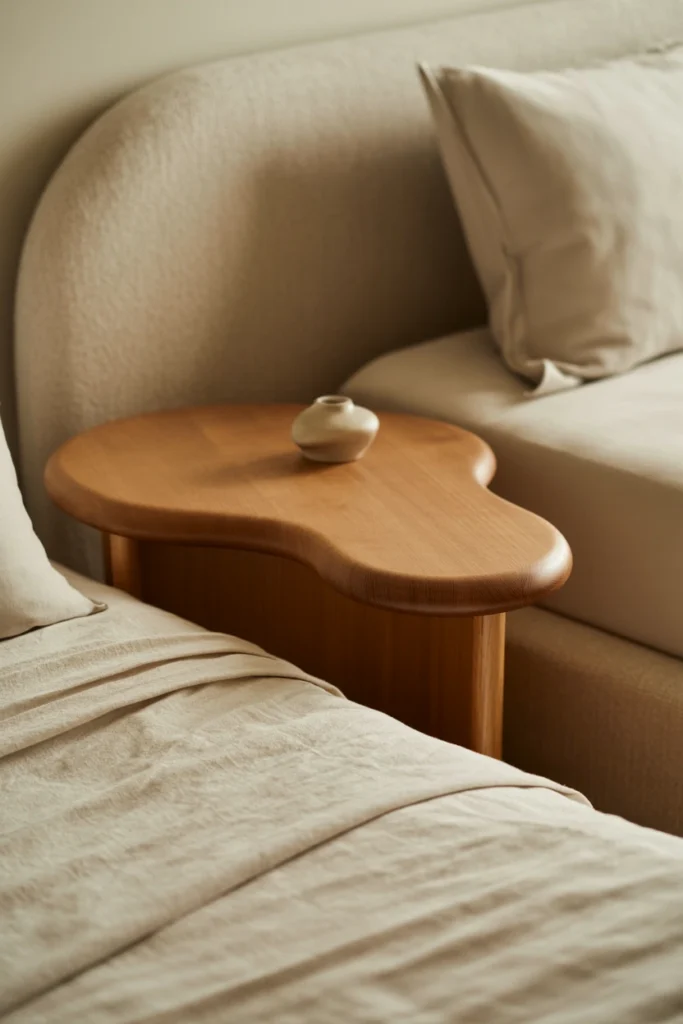
Sharp, rectangular furniture edges throughout a room create a rigid, corporate feeling that fights against whimsical intent. Straight lines everywhere eliminate the softness that makes a space feel playful and approachable. Replacing even two or three sharp-edged pieces with curved alternatives noticeably shifts the room’s entire character.
Replace your nightstand, side table, or one seating piece with a curved or rounded alternative, prioritizing the pieces closest to eye level. Look specifically for arched, scalloped, or organic kidney-bean shapes rather than ovals, which read as merely softened rectangles. This swap creates immediate visual softness that a symmetrical room can never achieve through color alone.
| Furniture Type | Curved Alternative |
| Rectangular nightstand | Arched or kidney-bean table |
| Square coffee table | Scalloped round table |
| Boxy dresser | Curved-front dresser |
| Straight headboard | Arched or cloud headboard |
13. Place Mismatched Chairs Around a Single Table
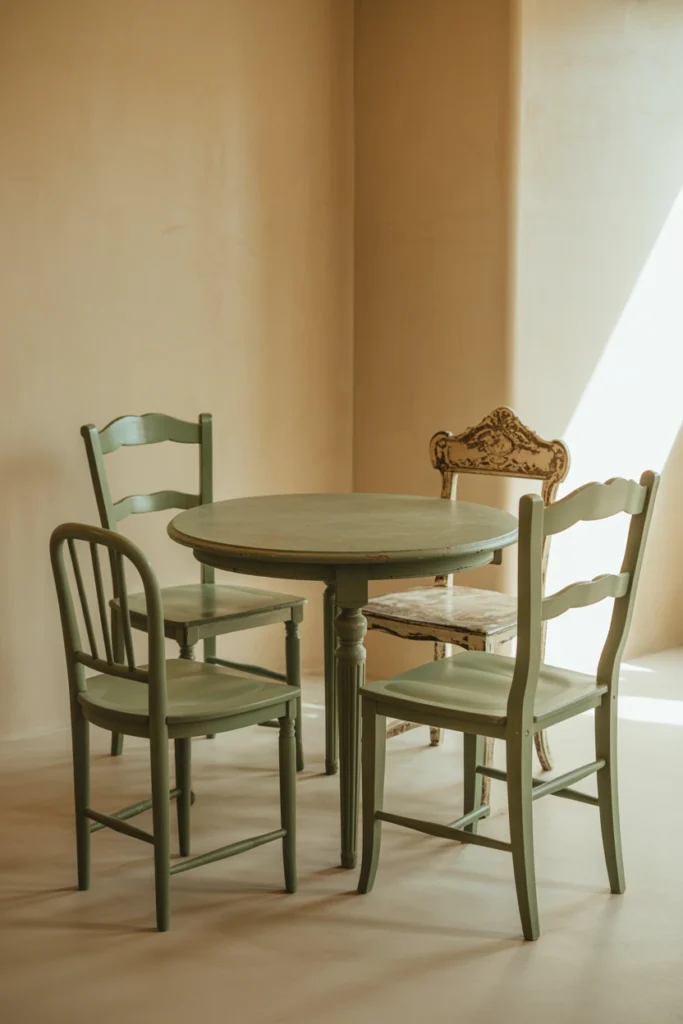
A matched dining or desk chair set immediately signals a purchased-as-a-set, showroom-style room rather than a collected one. This uniformity works against the eclectic character central to whimsical interior design. Mismatched chairs around one table is one of the fastest, lowest-cost ways to add genuine personality.
Source three to four chairs from different eras or styles, keeping seat height within 2 inches of each other for comfort. Unify the mismatched set by painting all chair frames the same accent color or reupholstering seats in coordinating fabric. This single unifying detail keeps the mismatch looking curated instead of accidental.
| Chair Sourcing Strategy | Approximate Cost Per Chair |
| Thrift store find | 15–40 |
| Estate sale piece | 20–60 |
| Painted unfinished chair | 30–70 |
| Reupholstered vintage chair | 50–120 |
Textures, Materials, and Statement Details for Whimsical Interior Design
Texture and material choices add the tactile layer that separates a genuinely whimsical room from a purely visual one. These strategies build depth without adding more color or pattern.
14. Group Collected Objects in Odd-Numbered Vignettes
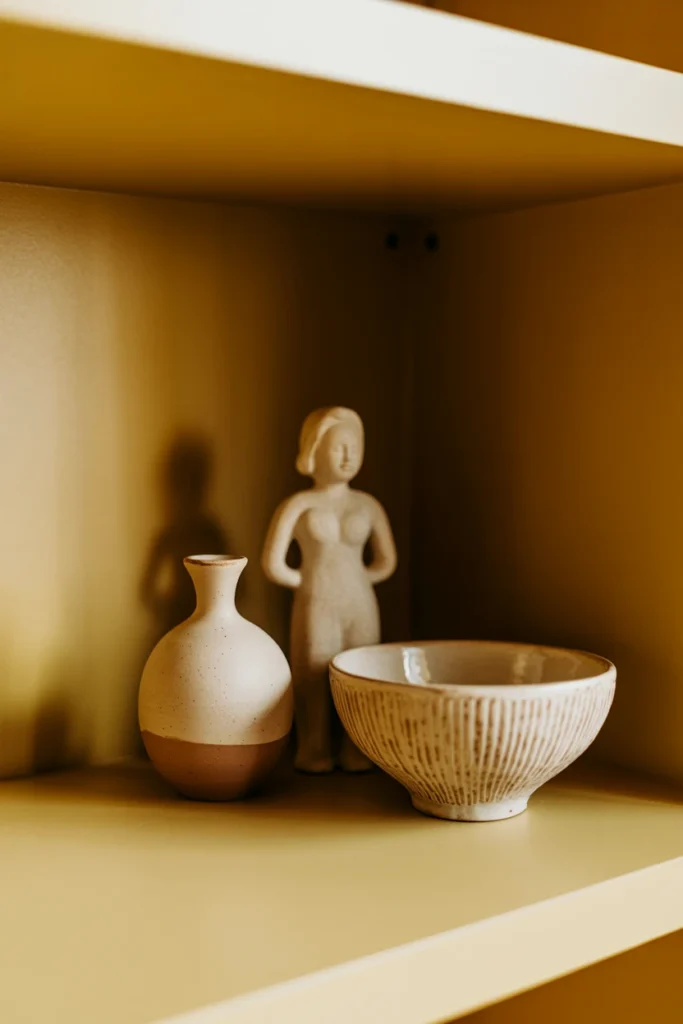
Objects arranged in pairs or even numbers create unintentional symmetry that reads as staged rather than collected. This directly contradicts the personally-gathered feeling central to whimsical decor. Odd-numbered groupings consistently look more natural and intentional across every surface in the room.
Group small objects, such as ceramics, books, or plants, in clusters of three or five rather than two or four. Vary the height of each object within the group by at least 2 inches to avoid a flat, lined-up appearance. This single styling rule instantly upgrades any surface from cluttered to curated.
| Group Size | Visual Result |
| 2 objects | Reads as a staged pair |
| 3 objects | Balanced, intentional |
| 4 objects | Reads as accidental symmetry |
| 5 objects | Rich, collected vignette |
15. Hang a Gallery Wall of Mismatched Frame Styles
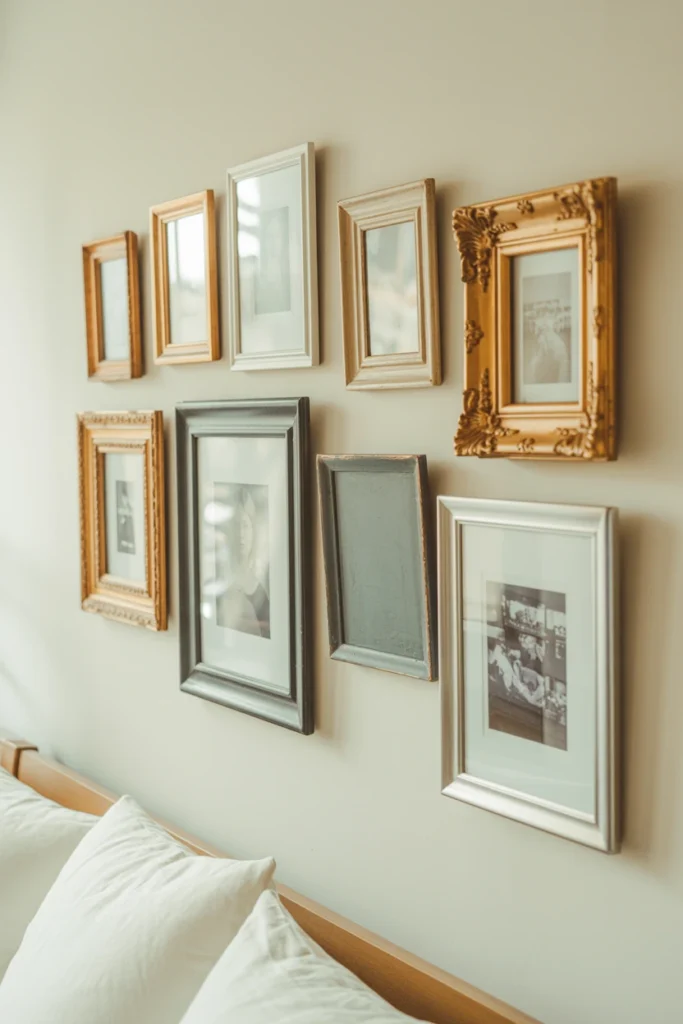
A gallery wall using identical, matched frames looks purchased as a kit rather than genuinely collected over time. This uniformity removes the personal, storybook quality that defines the most successful whimsy rooms. Mismatched frame styles instantly communicate a room built from personal taste, not a single trip to one store.
Combine at least four different frame styles, materials, or finishes across 8 to 12 pieces, keeping all frame colors within your three-color palette. Arrange the pieces with a consistent 2 to 3 inch gap between each frame for a cohesive final layout. This mix creates genuine visual interest while the consistent spacing keeps the wall from feeling chaotic.
| Frame Style Count | Wall Size Recommendation |
| 4 mismatched styles | 6–8 frames, small wall |
| 5 mismatched styles | 9–12 frames, medium wall |
| 6+ mismatched styles | 13+ frames, large wall |
| 2–3 styles only | Reads as too matched |
16. Layer a Faux Fur Throw Over Woven Textures
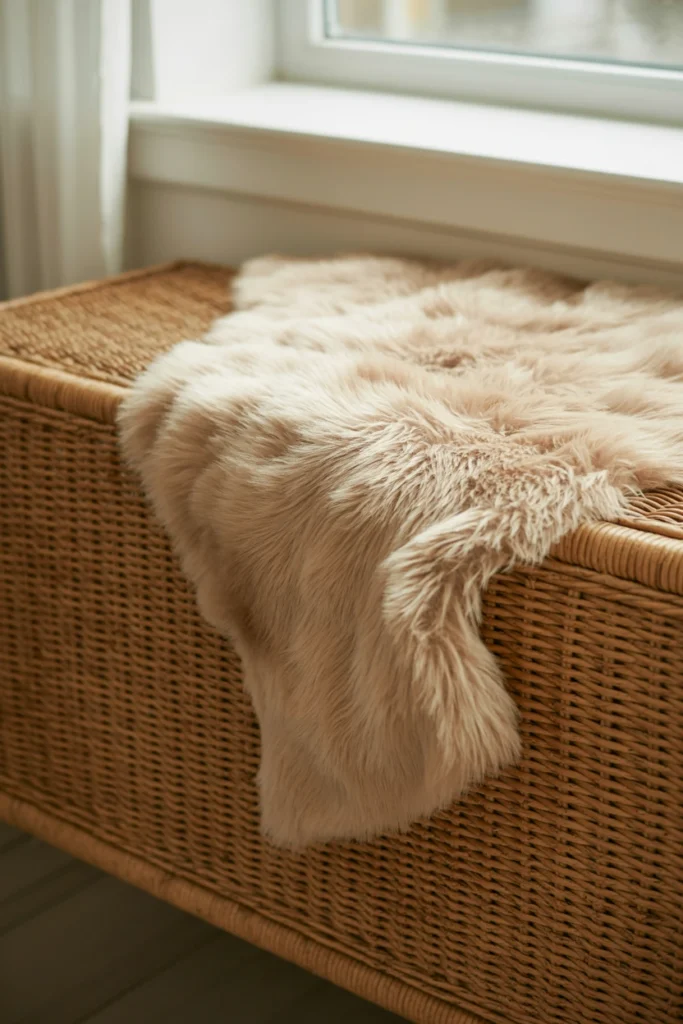
A room built entirely from smooth, flat textiles feels visually one-dimensional despite bold color choices. Texture variation is what most first-attempt whimsy rooms skip, leaving the space looking flat in photographs. Layering contrasting textures adds tactile richness that color and pattern alone cannot deliver.
Layer one faux fur or bouclé throw over a woven rattan, jute, or wicker base surface, such as a bench or chair seat. Choose the throw in your neutral palette color so the texture contrast reads clearly without adding a competing hue. This layering technique adds noticeable depth that photographs and feels dramatically richer than flat textiles alone.
| Texture Pairing | Best Surface |
| Faux fur + rattan | Bench, accent chair |
| Bouclé + jute rug | Reading nook |
| Velvet + woven basket | Corner styling |
| Sherpa + wicker | Window seat |
17. Style Open Shelves with Quirky Found Objects
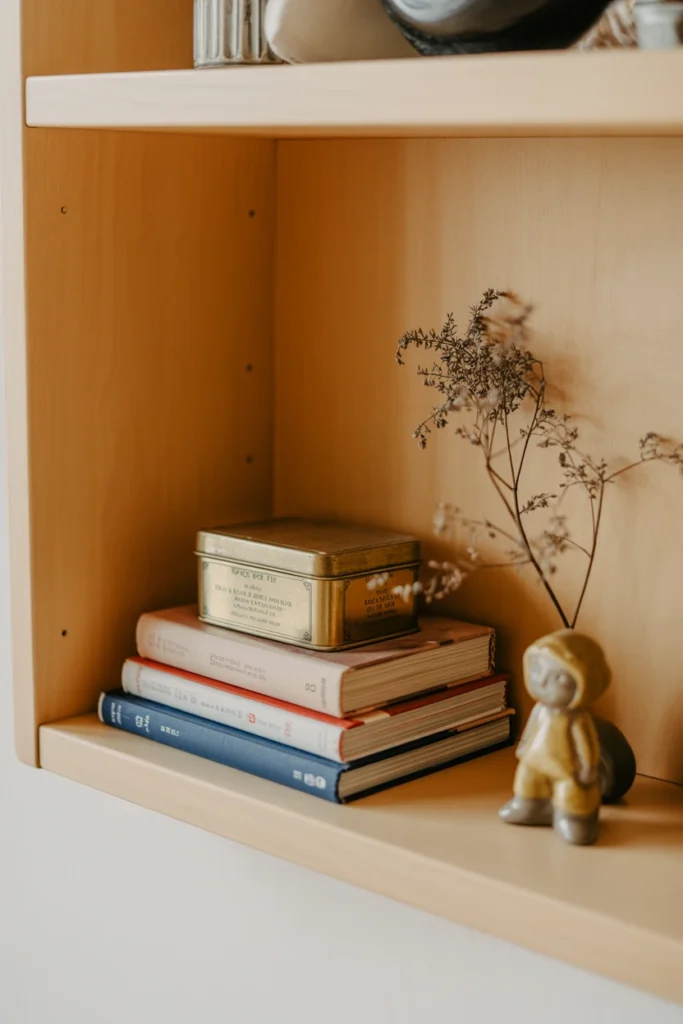
Open shelves filled only with books and standard decor items miss the single easiest opportunity to add whimsy to a room. Predictable shelf styling reads as generic rather than personally curated. Quirky, unexpected found objects on open shelving create small moments of surprise throughout the room.
Add one unexpected found object per shelf, such as a vintage tin, a small figurine, or a piece of dried botanical, alongside your books. Limit each shelf to no more than five total items to avoid visual overcrowding. This single unexpected object per shelf creates the personality-driven storytelling that defines genuinely whimsical shelving.
| Shelf Object Type | Source |
| Vintage tin or box | Thrift store, flea market |
| Dried botanical stem | Craft store, foraged |
| Small ceramic figurine | Vintage shop, gift store |
| Found natural object | Outdoors, nature walk |
18. Apply Scalloped Trim to Shelf Edges
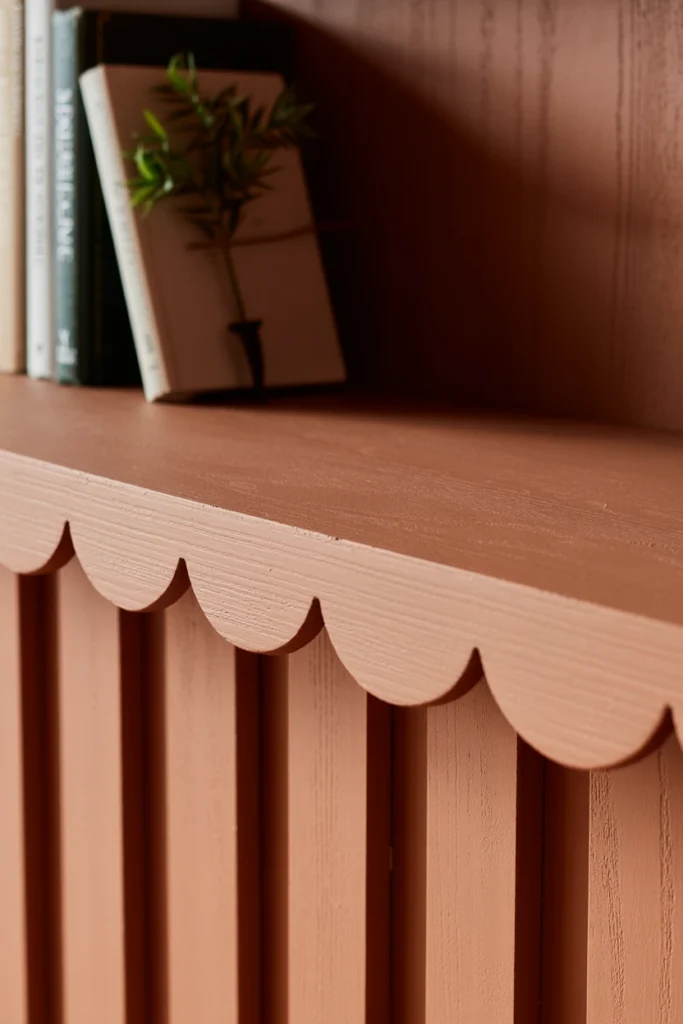
Standard straight shelf edges throughout a room reinforce the same rigid, sharp-edged feeling addressed earlier in furniture choices. This small detail is frequently overlooked despite being one of the lowest-cost whimsy upgrades available. Scalloped trim along shelf edges adds a distinctly storybook quality without requiring new furniture.
Apply pre-cut scalloped wood trim, available in 3 to 4 foot lengths, along the front edge of one or two existing shelves. Paint the trim in your accent color to make it a visible, intentional detail rather than a subtle afterthought. This inexpensive addition adds a distinctly fairytale character to shelving that would otherwise look plain.
| Trim Material | Approximate Cost |
| Pre-cut wood scallop | 12–25 per 4 ft |
| Adhesive scalloped edging | 8–18 per roll |
| Custom-cut MDF trim | 20–40 per shelf |
| Fabric scalloped valance | 15–30 per shelf |
Styling and Finishing Touches for Eclectic Whimsical Decor
Final styling details determine whether the room reads as fully finished or noticeably incomplete. These two touches close the gap between a good whimsy room and a genuinely memorable one.
19. Add a Single Oversized Statement Light Fixture
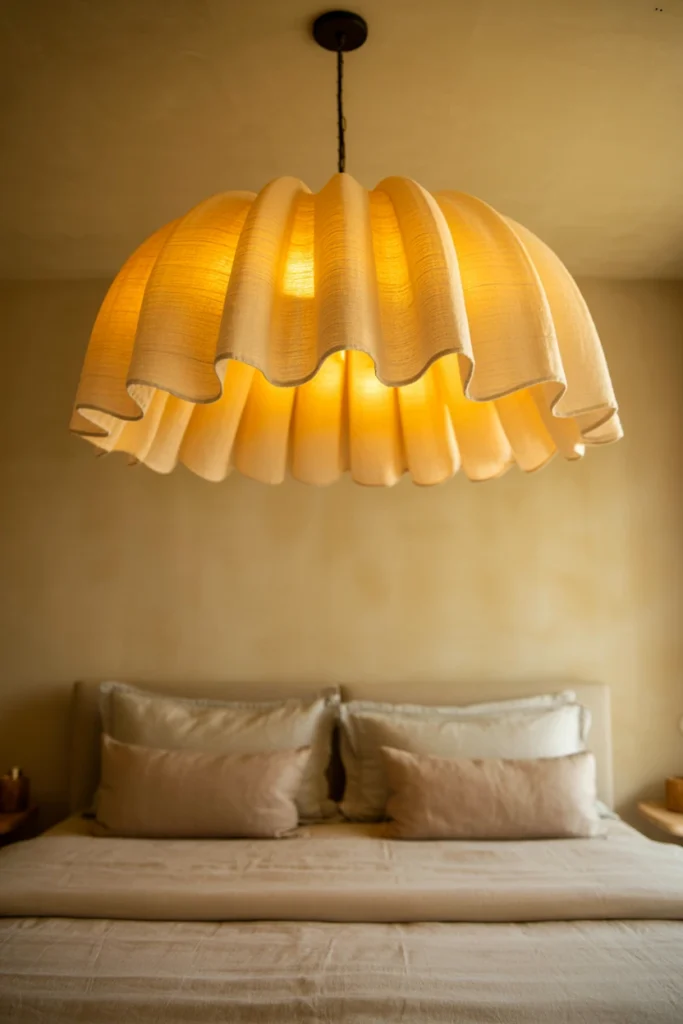
A whimsy room lit only by a standard overhead fixture wastes one of the most visible opportunities for personality in the entire space. Lighting sits at eye level or above for most of the day, making it a constant visual presence. One oversized statement fixture instantly elevates the room’s finished, intentional appearance.
Replace the standard overhead fixture with one oversized pendant, rattan dome, or scalloped shade at least 16 inches in diameter. Hang the fixture 30 to 34 inches above any furniture below it for proper scale and clearance. This single swap completes the room’s focal point structure established earlier by the sculptural furniture piece.
| Fixture Type | Recommended Diameter |
| Rattan dome pendant | 16–20 inches |
| Scalloped fabric shade | 14–18 inches |
| Oversized paper lantern | 18–24 inches |
| Sculptural glass pendant | 12–16 inches |
20. Style a Bookshelf with Color-Blocked Spines

A bookshelf arranged by genre or author leaves book spines in random, competing colors that visually clutter the whole shelf. This is one of the most common overlooked details in an otherwise well-styled whimsy room. Color-blocking book spines instantly turns a functional shelf into a deliberate design element.
Sort books by spine color and arrange them in a gradient across each shelf row, grouping your three palette colors together. Turn any book with a distracting off-palette spine backward, showing the blank page edges instead. This technique instantly makes even a mismatched book collection read as a cohesive, intentional design choice.
| Styling Method | Time Required |
| Full color-block sort | 45–60 minutes |
| Partial gradient, top shelf only | 15–20 minutes |
| Spine-out selective turning | 10–15 minutes |
| Mixed vertical and stacked | 20–30 minutes |
Maintenance Habits That Keep Whimsy Bedroom Ideas Feeling Fresh
A whimsy room built once and never revisited slowly drifts toward clutter as objects accumulate without editing. These two habits keep the space feeling intentional long after the initial styling is complete.
21. Rotate Seasonal Accents Every Three Months
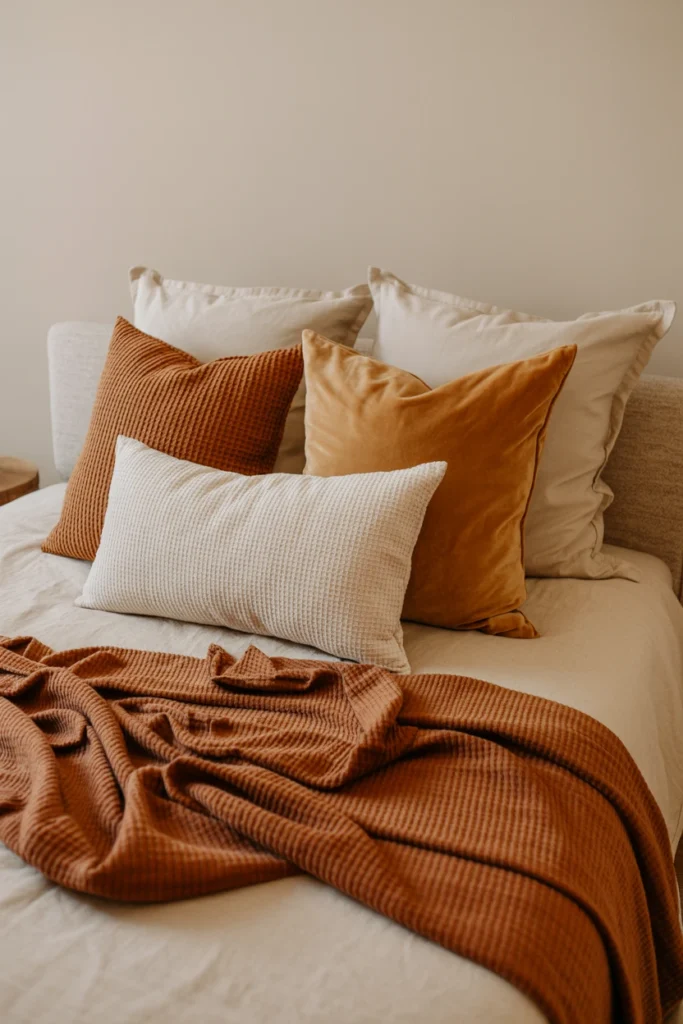
A whimsy room with static accents year-round eventually feels stale, even with excellent initial styling choices. Objects that never change stop registering as interesting to anyone who lives in the space daily. Seasonal rotation keeps the room feeling consistently fresh without requiring a full redesign.
Swap two to three small textile accents, such as throw pillows or a blanket, every three months to reflect a seasonal color shift within your existing palette. Store the off-season items in a labeled bin to make the next rotation faster. This habit keeps the whimsy room evolving without ever requiring new furniture purchases.
| Season | Suggested Accent Shift |
| Spring | Lighter pastels, floral textiles |
| Summer | Brighter accent, lighter throws |
| Autumn | Deeper terracotta, warm textures |
| Winter | Faux fur, richer jewel tones |
22. Edit One Object Out Each Time You Add One
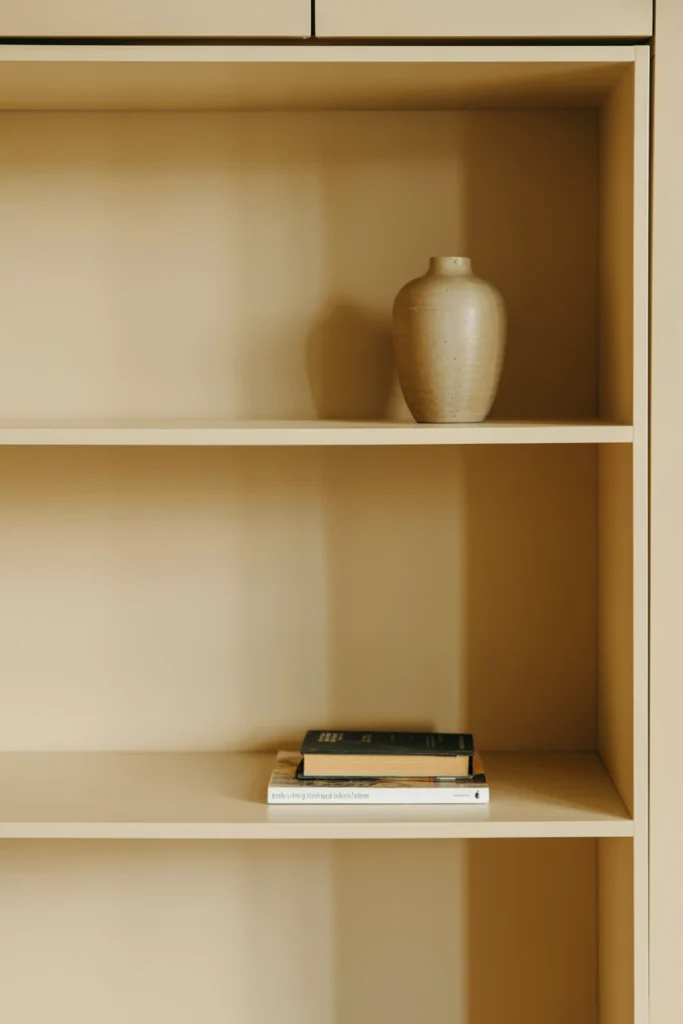
A whimsy room that only accumulates objects without ever removing any eventually crosses from curated into cluttered. This gradual drift is the single most common reason a well-styled whimsy room stops working after a year. A strict one-in-one-out habit permanently protects the room’s original balance.
Before adding any new decorative object to the room, remove one existing object of similar size from the same surface. Store removed items in a rotation bin rather than discarding them immediately, since they can return in a future seasonal swap. This single habit prevents the slow, invisible clutter creep that undermines most whimsy rooms within a year.
| Maintenance Frequency | Recommended Action |
| Every new purchase | Remove one similar object |
| Monthly | Quick surface edit, 10 minutes |
| Quarterly | Full seasonal rotation |
| Annually | Reassess overall theme fit |
Whimsy Room Mistakes That Kill the Charm
These eight mistakes appear most often in whimsy rooms that end up feeling cluttered instead of charming. Avoiding them protects every strategy already covered in this guide.
| Mistake | Why It Hurts the Space | Better Alternative |
| Using more than four colors | Eliminates the anchor structure entirely | Limit to three core colors (Tip 8) |
| Matching every frame in a gallery wall | Looks purchased as a kit, not collected | Mix four+ frame styles (Tip 15) |
| Arranging furniture in strict symmetry | Reads as formal, not whimsical | Cluster seating asymmetrically (Tip 10) |
| Skipping a defined theme | Leads to random, uncoordinated purchases | Define one theme first (Tip 1) |
| Grouping objects in pairs | Creates accidental, staged symmetry | Group in odd numbers (Tip 14) |
| Using only flat, smooth textiles | Makes the room feel one-dimensional | Layer faux fur over woven texture (Tip 16) |
| Never editing out old objects | Causes slow clutter creep over time | Remove one item per new addition (Tip 22) |
| Choosing only sharp-edged furniture | Creates a rigid, corporate feeling | Swap in curved furniture pieces (Tip 12) |
Whimsical Room Decor by Space and Situation
Every space comes with its own constraints. These four situations cover the most common whimsy room challenges.
Small Bedroom
A small bedroom limits how many statement pieces and layered textiles the room can hold without feeling cramped. Whimsy still works here, but every choice needs to earn its square footage.
Key strategies for small bedrooms:
- Choose one wall-mounted canopy instead of a full four-post frame to save floor space.
- Use vertical gallery wall arrangements to add visual interest without consuming floor area.
- Select a scalloped mirror to reflect light and visually expand the room.
- Limit statement furniture to one sculptural chair rather than two competing pieces.
- Store rotated seasonal accents under the bed to preserve closet space.
- Apply color-blocking to a single small bookshelf rather than a full wall unit.
Rental Apartment
Rental restrictions on paint and permanent fixtures limit several strategies covered in this guide, but whimsy remains achievable through removable methods. Focus on elements that leave no lasting trace.
Key strategies for rental apartments:
- Use removable wallpaper for the saturated accent wall instead of paint.
- Choose a freestanding canopy stand rather than a ceiling-mounted or wall-mounted frame.
- Rely on command hooks rated for at least 5 pounds for the gallery wall.
- Select a plug-in statement light fixture instead of a hardwired ceiling swap.
- Use adhesive scalloped trim instead of nailed wood trim on shelf edges.
- Prioritize furniture and textiles for whimsy, since these carry the most visual weight in a rental.
Shared Kids’ Room
A shared kids’ room needs whimsy strategies that accommodate two distinct personalities within one cohesive space. The anchor color and theme become the shared thread between two different individual tastes.
Key strategies for shared kids’ rooms:
- Let each child choose one accent color within the shared three-color palette.
- Assign each child their own odd-numbered vignette shelf to personalize.
- Use a shared gallery wall with each child contributing an equal number of frames.
- Choose bunk or twin bed canopies in matching sheer fabric for visual unity.
- Rotate seasonal accents on a schedule that includes both children’s input.
- Keep the mismatched chair strategy limited to each child’s own desk area.
Open-Plan Studio
An open-plan studio requires the whimsy zone to visually separate itself from adjacent living or kitchen areas without a physical wall. Layout and lighting carry more responsibility here than in an enclosed room.
Key strategies for open-plan studios:
- Anchor the whimsy zone with a rug that visually defines its boundary from the rest of the studio.
- Use the oversized statement light fixture to mark the zone from across the room.
- Choose furniture height that stays lower than any room divider to preserve sightlines.
- Apply the saturated accent wall to the section facing the whimsy zone only.
- Cluster asymmetrical seating to visually anchor the zone without blocking walkways.
- Keep the mismatched chair table close to the whimsy zone’s furniture cluster, not the kitchen area.
Frequently Asked Questions
What makes a room look whimsical?
A whimsical room combines one anchor color, layered patterns within a shared palette, and curved or sculptural furniture shapes. Odd-numbered object groupings and mismatched-but-coordinated details reinforce the collected, personal feeling central to whimsy bedroom ideas. The combination of controlled color and playful shape is what separates whimsical decor from simple clutter.
What are common whimsical decor mistakes?
The most common mistake is using more than three or four colors without an anchor to unify them. Perfectly matched furniture sets and symmetrical arrangements also work against the whimsical mood. Skipping a defined theme before shopping leads to the scattered look this guide addresses throughout.
How do I start a whimsy room on a budget?
Start by defining your theme and anchor color, since both cost nothing and guide every future purchase. Focus your budget on one statement furniture piece and one statement light fixture rather than many small items. Thrifted mismatched chairs and found objects for open shelving add whimsy at minimal cost.
How do I do whimsical decor in a small bedroom?
Choose a wall-mounted canopy instead of a full four-post frame to preserve floor space in a small bedroom. Limit statement furniture to a single sculptural piece and use vertical gallery walls instead of horizontal layouts. These adjustments keep whimsical room decor functional even in limited square footage.
How do I choose colors for a whimsical room?
Select exactly three colors: one anchor covering 40 percent of the room, one accent, and one neutral. Choose a dusty or muted version of your anchor color so it absorbs bolder accent tones more easily. This three-color structure keeps pattern mixing and object styling cohesive throughout the space.
How often should I update whimsical decor?
Rotate two to three small textile accents every three months to keep the room feeling seasonally fresh. A full theme reassessment once a year is usually sufficient for a well-established whimsy room. Frequent small edits work better than infrequent large overhauls for maintaining the collected look.
Does whimsical decor work in a rental?
Whimsical decor works well in a rental when you rely on removable wallpaper, freestanding canopy stands, and command hooks. Plug-in statement lighting and adhesive trim replace the hardwired and nailed options used in owned homes. Furniture and textiles carry most of the visual weight, since they require no permanent alteration.
How much does it cost to decorate a whimsy room?
Total cost depends heavily on the statement furniture and lighting choices, which typically range from $150 to $600 combined. Thrifted chairs, found objects, and DIY scalloped trim keep supporting costs between $50 and $150. A full whimsy room can be assembled for under $800 when thrifted and DIY elements are prioritized.
How do I keep a whimsical room from looking cluttered?
Follow the one-in-one-out rule: remove one object of similar size whenever you add a new one. Group collected items in odd numbers rather than pairs, and limit open shelves to five items each. These two habits are the most effective long-term defense against whimsy drifting into clutter.
Conclusion
A whimsy room built on one clear theme and a three-color anchor palette delivers genuine personality without visual chaos. Start with the foundation steps: define your theme, set your anchor color, and cap your statement piece budget before buying anything else. Pick one sculptural furniture piece today and let every following decision build around it.
Whimsical room decor holds together through consistent editing habits, not a single weekend of shopping. A room curated with intention today, and maintained with the same intention every season, stays genuinely charming for years.