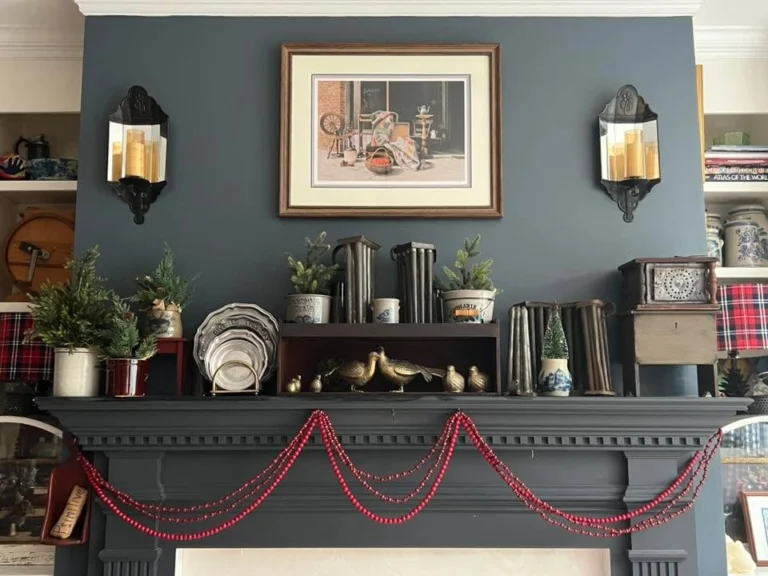
Fall Bedroom: 32 Proven Ways to Warm Your Sleep Space
Your fall bedroom succeeds or fails on layers, not on a pumpkin on the nightstand. This guide gives you 32 exact steps, each with a measurement, a material, and a result you check with your own eyes. As professional interior designers consistently find, bedrooms that feel like autumn stack a warm palette, layered bedding, low warm light, and natural texture in that order. Work the sections in order and your fall bedroom builds from a summer room to a cocoon by the first cold night.
One number guides every purchase in this guide. Your full scheme lands between $200 and $500, and every tip below states its cost before you buy.
Before You Begin: Five Foundation Steps for a Fall Bedroom
Failed fall bedrooms share one cause: adding decor before the palette, bedding weight, and light plan are set. This foundation section fixes your colors, your layers, and your budget before a single purchase. Every later section builds on these five steps.
1. Lock a 60-30-10 Palette of Cream, Rust, and Walnut

credit: @suzi_yasu
Random autumn colors fight each other across a small bedroom. One locked palette makes every later purchase automatic. Cream carries the base, rust the warm lead, and walnut the deep grounding tone.
Assign 60 percent of visible surfaces to cream, 30 percent to rust, and 10 percent to walnut and deep brown. Write the three names on one card and carry it on every shopping trip. Black joins only as metal on lamps and frames, never as a color layer.
| Palette Color | Share | Main Surfaces |
|---|---|---|
| Cream | 60% | Walls, sheets, curtains |
| Rust | 30% | Duvet, shams, accents |
| Walnut | 10% | Nightstands, frames |
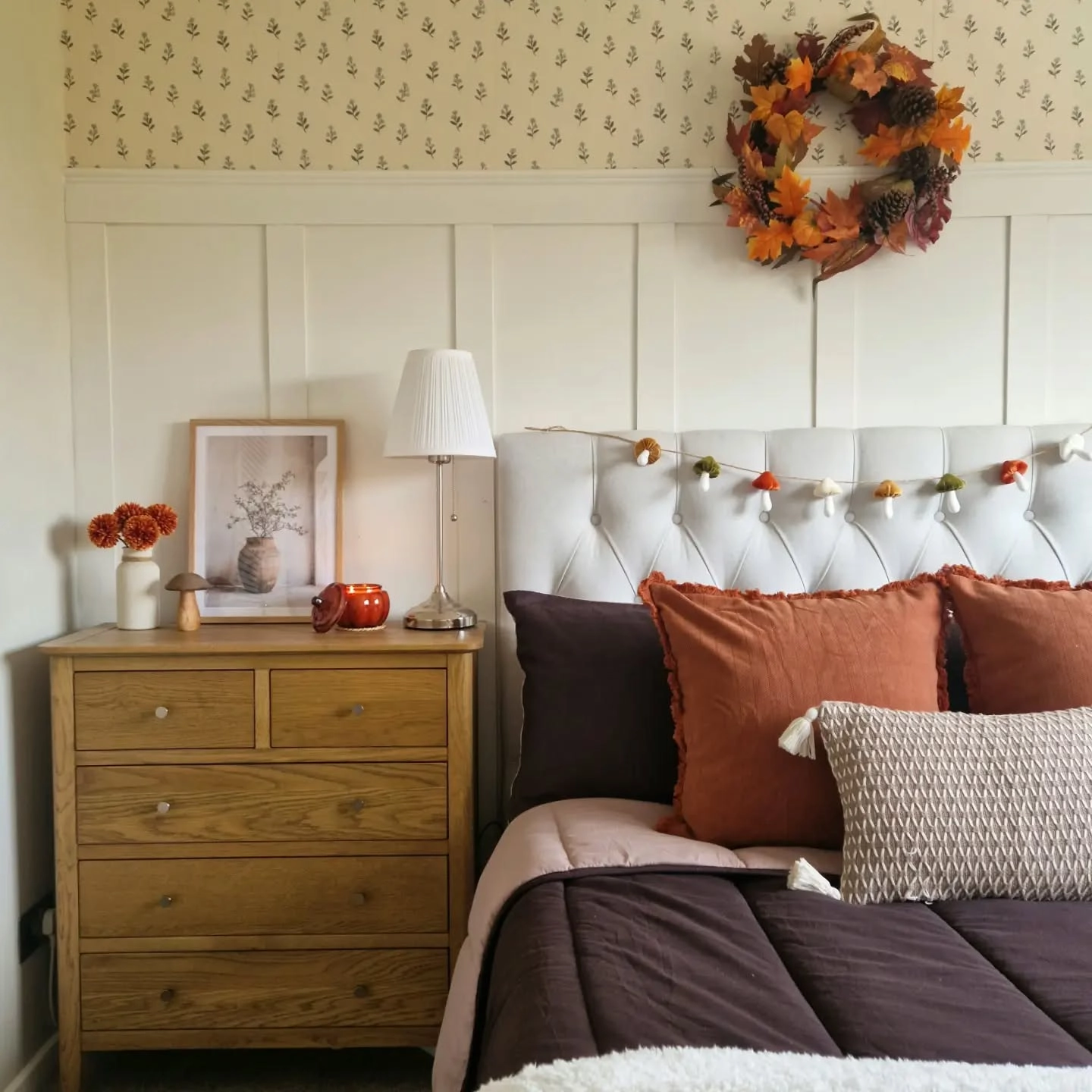
2. Audit the Summer Room and Store Everything Cool-Toned
credit: @homeonthehill28
Fall layers piled over summer decor read as clutter, not season. One audit clears the cool blues, whites, and light fabrics first. Stored summer pieces return in spring unharmed.
Walk the room and pull every cool-toned or lightweight piece into one pile. Fold and bin the pile with a label naming the room and season. The emptied room shows exactly which fall layers it needs, and nothing more.
| Audit Pile | Store How | Returns |
|---|---|---|
| Cool bedding | Labeled bin | Spring |
| Sheer curtains | Folded in bin | Spring |
| Light throws | Bin top layer | Spring |
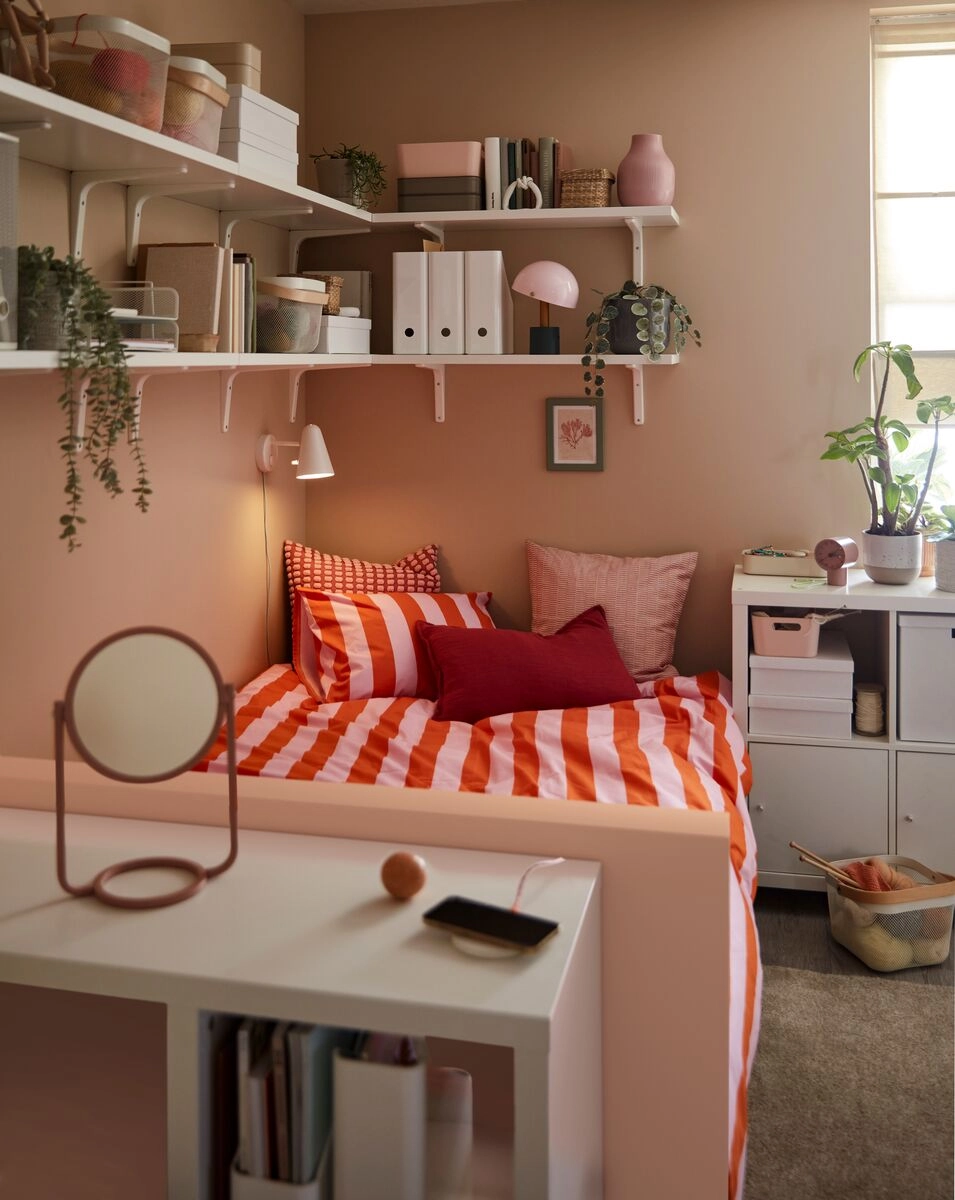
3. Plan the Bedding Layers by Night Temperature
credit: @ikea_australia
Guessing at blankets leaves you hot in September and cold in November. A layer plan matched to night temperatures adjusts with one piece at a time. The plan also sets your shopping list exactly.
List your layers in order: cotton sheet, light quilt, mid-weight duvet, and one throw. Nights above 65°F sleep under sheet plus quilt; 55 to 65 adds the duvet; below 55 adds the throw. Buy only the layers your list lacks.
| Night Temp | Layers On | Top Layer |
|---|---|---|
| Above 65°F | Sheet + quilt | Light quilt |
| 55-65°F | Sheet + quilt + duvet | Mid duvet |
| Below 55°F | All four | Throw at foot |
4. Set a $500 Budget and Split It by Layer

credit: @cottontradersuk
Fall bedroom costs creep through dozens of small textile hauls. A split budget stops the creep at the first store. Bedding takes the largest share because it owns the room’s center.
Divide $500 into $200 for bedding layers, $120 for curtains and rugs, $100 for lighting and scent, and $80 for decor and naturals. Track every receipt against its column the same day. A column that hits its ceiling closes until something returns to the store.
5. Measure the Bed and Windows Before Buying Textiles

credit: @macey_brown2
Wrong-size duvets and short curtains are the season’s most returned items. One measuring pass records the bed, windows, and floor run exactly. Every textile tip below keys to those numbers.
Measure the mattress width, length, and depth, and each window’s width and drop. Duvets need 16 inches of overhang per side; curtains need the floor length from Tip 13. Write all sizes on the palette card from Tip 1.
Fall Bedroom Bedding and Bed Layers
The bed carries the fall bedroom’s whole mood. This section builds the layer stack, pillow rows, and the foot-of-bed finish. Every layer repeats the cream and rust palette from Tip 1.
6. Swap to a Mid-Weight Duvet in Rust or Deep Cream

credit: @lovely.harbor
Summer duvets leave fall sleepers reaching for extra blankets nightly. A mid-weight duvet in the palette’s lead color resets the bed’s whole look in one change. Rust carries the season in a single piece.
Choose a mid-weight duvet, 250 to 350 GSM fill, sized with 16 inches of overhang per side. Dress it in rust for the bold scheme or deep cream for the calm one. Keep the summer duvet stored inside the duvet cover’s own bag.
| Duvet Spec | Fall Pick | Summer Pick |
|---|---|---|
| Fill weight | 250-350 GSM | 100-200 GSM |
| Overhang | 16 in per side | 12 in per side |
| Color | Rust or deep cream | White |
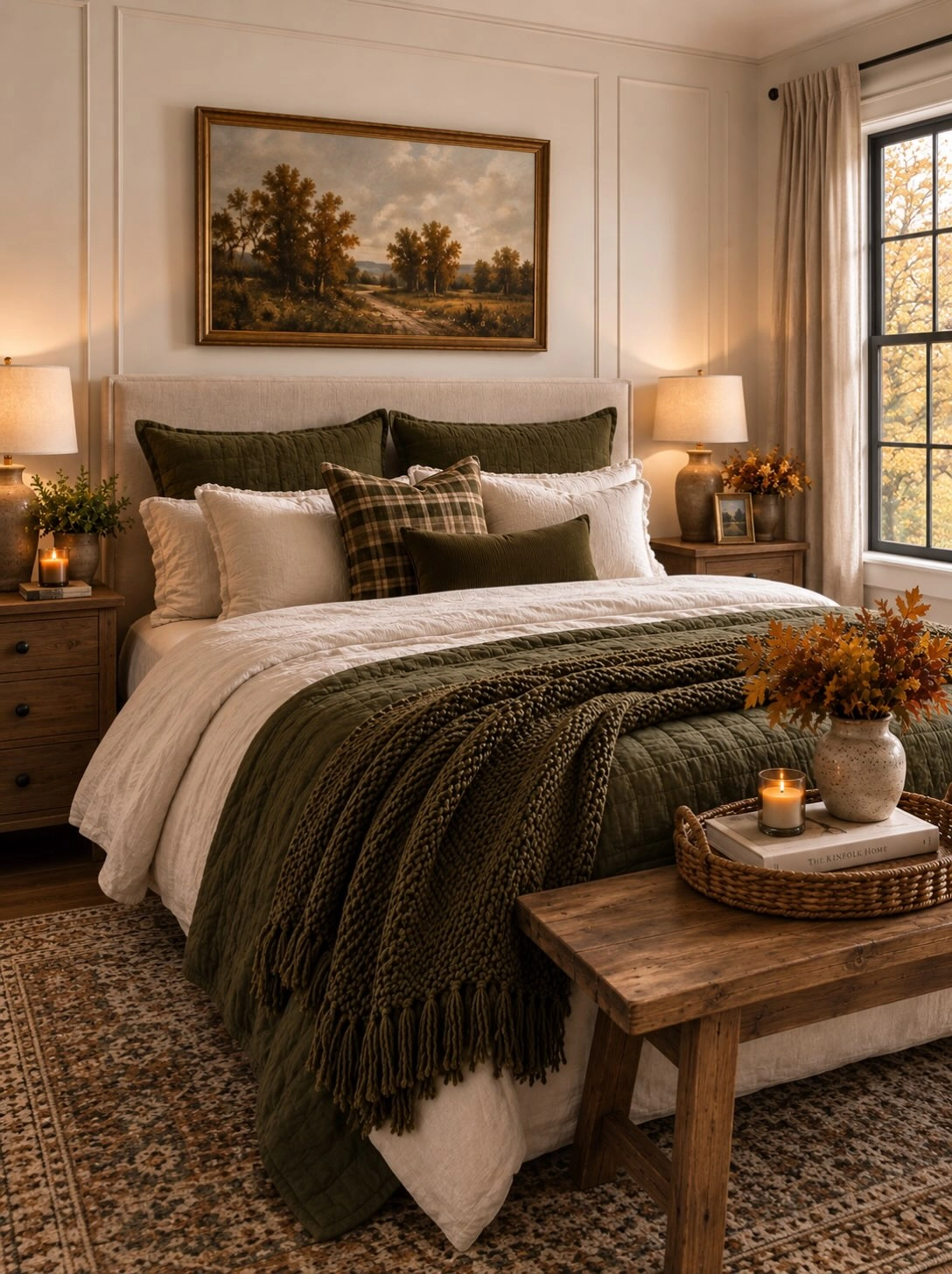
7. Layer a Quilt Under the Duvet for Adjustable Warmth
credit: @suzi_yasu
Single heavy covers force an all-or-nothing night. A quilt under the duvet gives three warmth settings from two pieces. The quilt’s edge also shows a second texture at the fold.
Lay a light quilt over the sheet and fold the duvet back over its top third. Sleepers pull the quilt alone, duvet alone, or both as nights swing. Choose the quilt in cream so the fold line shows the palette’s base against the rust.
| Warmth Setting | Layers Used | Nights |
|---|---|---|
| Light | Quilt only | Warm spells |
| Medium | Duvet only | Average |
| Full | Quilt + duvet | Cold snaps |
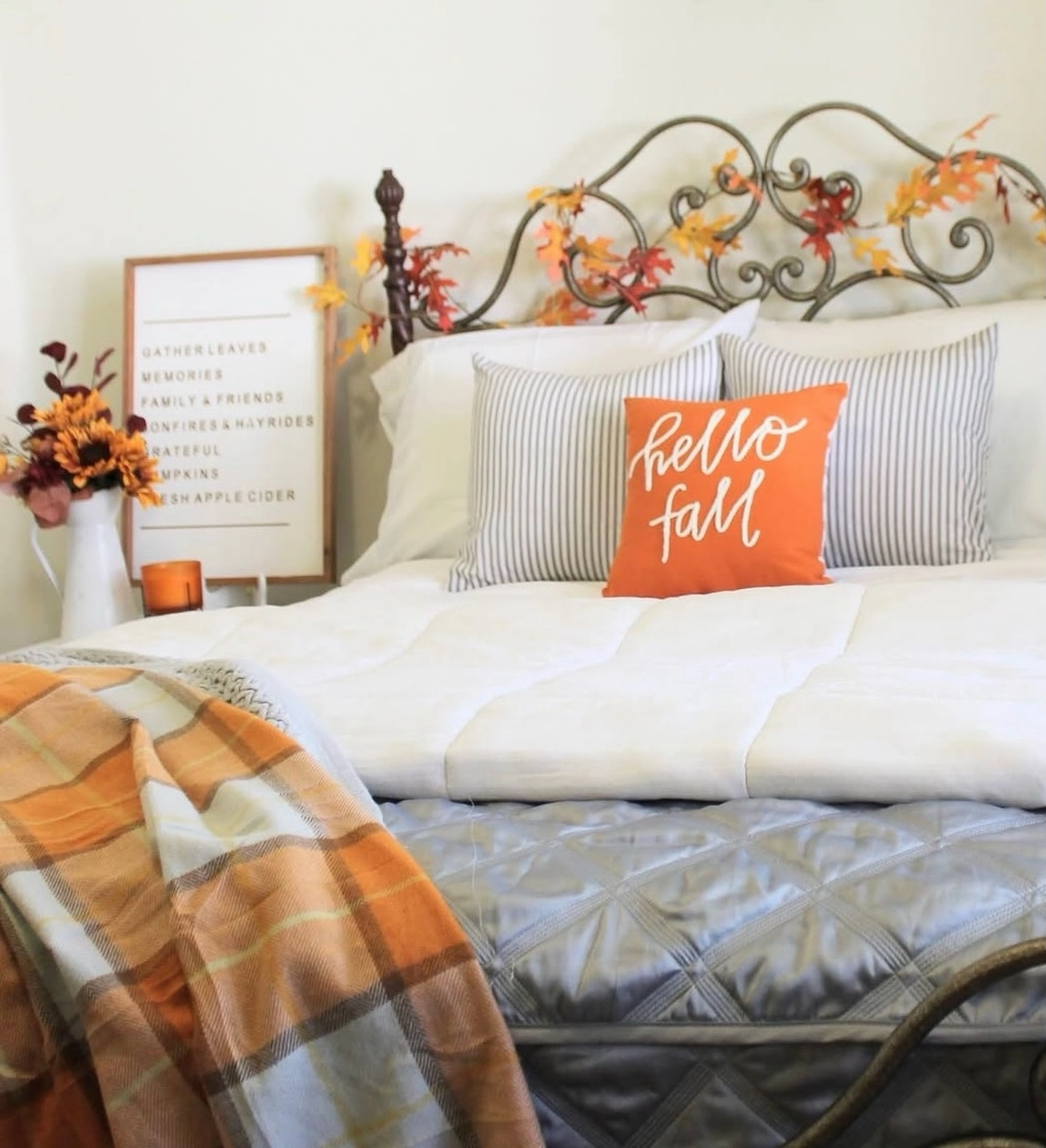
8. Add a Chunky Knit or Plaid Throw Across the Foot
credit: @lilbitof_berti
The foot of the bed is the fall layer’s display shelf. One chunky knit or plaid throw carries texture and the accent pattern together. Its weight also holds the duvet’s foot line smooth.
Drape one throw, 50 by 60 inches, across the foot’s bottom third. Choose chunky knit in cream or plaid carrying rust and cream together. Fold it once lengthwise so its texture shows at double thickness.
| Throw | Size | Placement |
|---|---|---|
| Chunky knit | 50 x 60 in | Foot third |
| Plaid | 50 x 60 in | Chair drape |
| Spare | Folded | Foot basket |
9. Stack Pillows in Three Rows With Plaid at the Front

credit: @ralphlaurenhome
Flat pillow lines read summer-basic. Three rows with a plaid front row announce fall at the doorway. The stack rebuilds in 30 seconds each morning, per Tip 30.
Stand sleeping pillows in cream against the headboard, rust shams in the middle row, and two plaid accents at the front. Keep accents at odd numbers and under 18 inches each. One lumbar in walnut velvet finishes the front row on larger beds.
| Pillow Row | Pieces | Color |
|---|---|---|
| Back | Sleeping pillows | Cream |
| Middle | Shams | Rust |
| Front | 2-3 accents | Plaid + walnut |
10. Set a Bench or Basket at the Foot for the Night Layers
credit: @kraftydesigns_shiplapobsessed
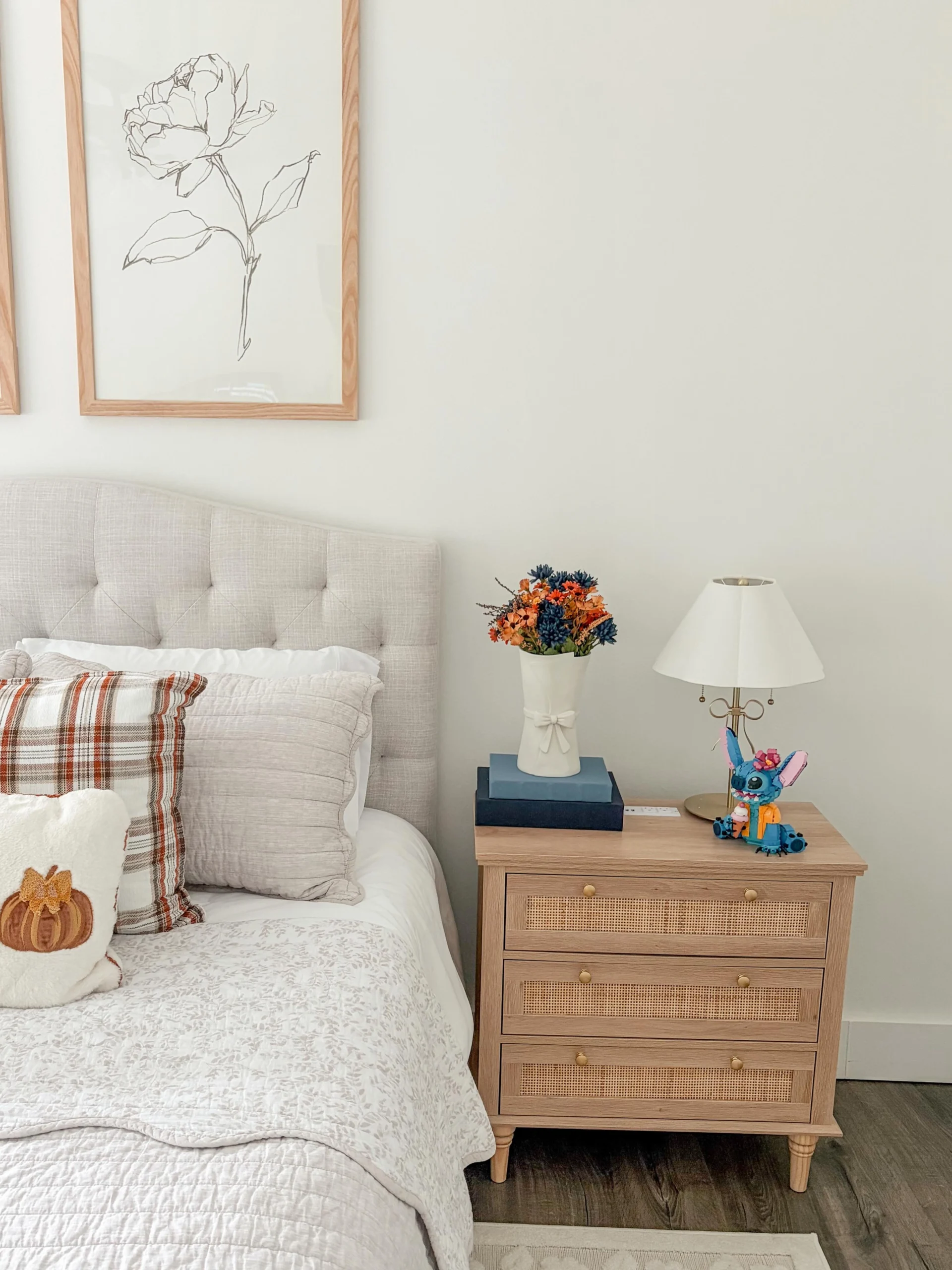
Peeled-off layers land on the floor in most bedrooms nightly. A bench or basket at the foot catches them in style. The piece also anchors the bed’s end in the room’s layout.
Set one bench or large woven basket at the bed’s foot, clear of the walkway. Fold the throw and extra quilt into it at bedtime temperature changes. The basket’s natural weave adds the room’s rustic texture note.
Fall Bedroom Color, Walls, and Windows
Walls and windows set the room’s temperature before bedding speaks. This section warms the wall behind the bed, dresses windows for longer nights, and grounds the floor. Every choice repeats the palette from Tip 1.
11. Warm the Headboard Wall With a Rust or Walnut Accent
credit: @the.stoneham
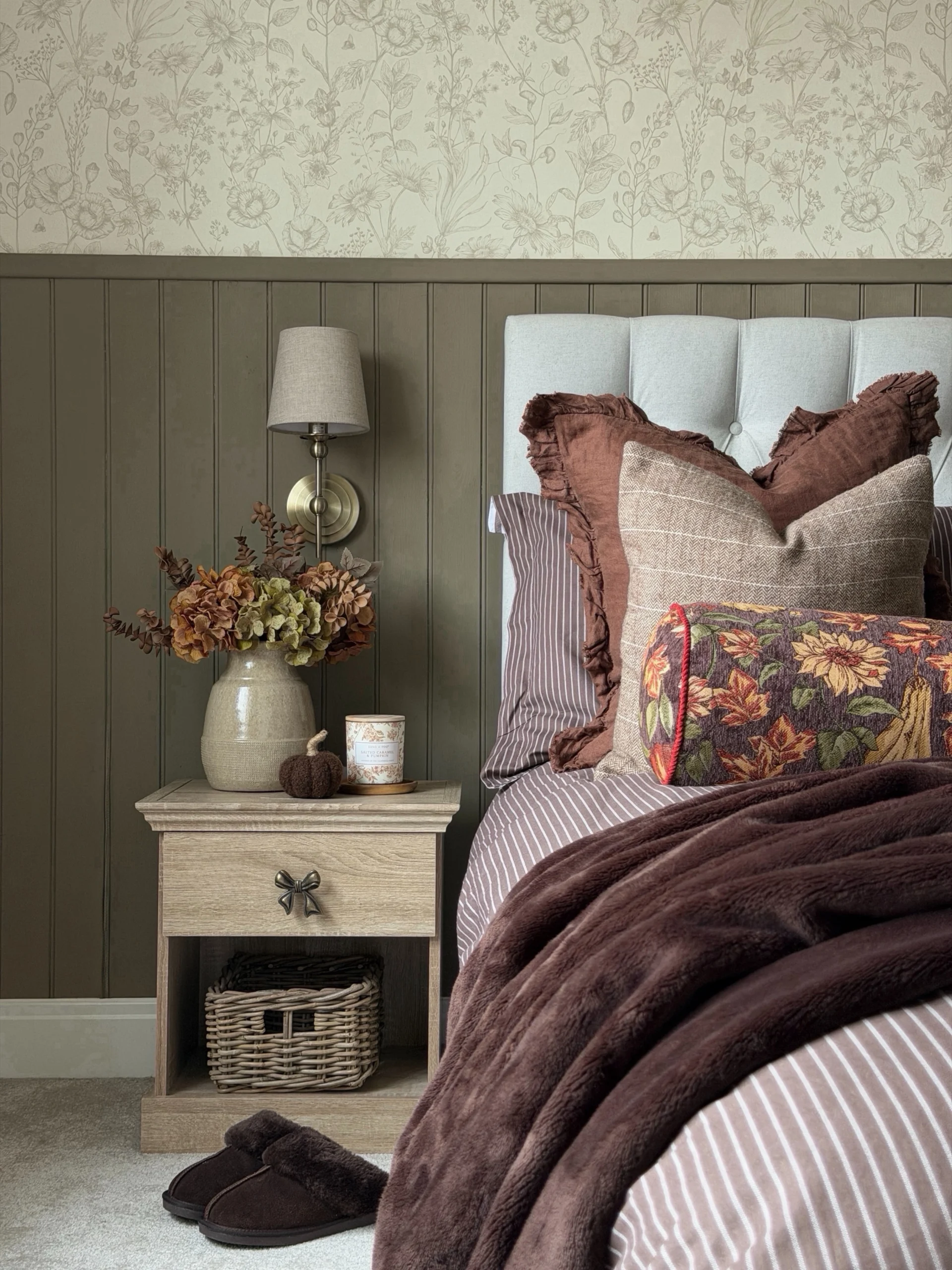
Four pale walls cool a fall bedroom no matter the bedding. One warm accent wall behind the bed deepens the whole room. Paint, panels, or a large tapestry all deliver it at different budgets.
Paint the headboard wall rust for the bold scheme or walnut-stained panels for the deep one. Rentals hang one large woven tapestry at the bed’s width instead. Keep the other three walls cream so the accent reads as warmth, not darkness.
| Accent Route | Cost | Rental Safe |
|---|---|---|
| Paint | $40-60 | No |
| Wood panels | $150+ | No |
| Tapestry | $35-70 | Yes |
12. Hang a Wreath or Garland Above the Headboard
credit: @homeatmayvilla
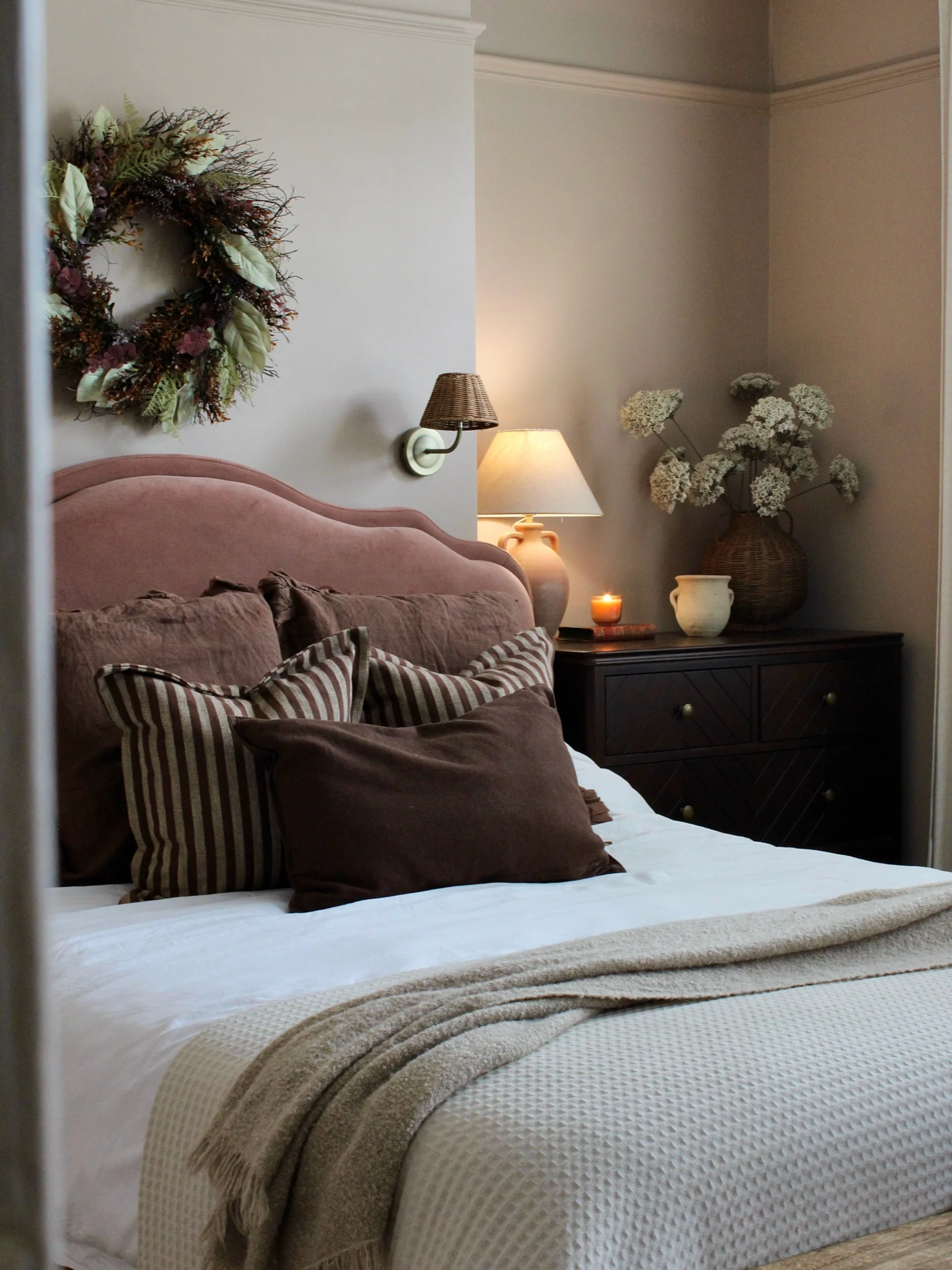
The wall space above headboards sits empty in most bedrooms. A fall wreath or garland fills it with the season’s naturals. Its center lands at the bed’s visual center line.
Hang one 24-inch wreath of leaves, wheat, and mini pumpkins centered above the headboard. Its bottom edge sits 12 inches above the headboard’s top. A garland alternative runs the headboard’s width with an 8-inch swag drop.
13. Swap to Heavier Curtains That Pool Half an Inch

credit: @barri_ghai
Sheer summer curtains leak light and visual warmth all fall. Heavier curtains in cream or rust block drafts and finish the windows as design. The half-inch pool reads tailored, not sloppy.
Hang lined curtains at 1.5 times the window’s width for full folds. Set the hem to pool half an inch on the floor or kiss the sill on short windows. Choose cream for calm rooms and rust only where the accent wall stays neutral.
| Curtain Spec | Standard | Note |
|---|---|---|
| Width | 1.5x window | Full folds |
| Length | Pool 0.5 in | Or kiss sill |
| Lining | Yes | Draft + dark |
14. Layer a Rug Under the Bed Extending 24 Inches

credit: @lumys_home
Cold floors at the bed’s edge undo the cocoon nightly. A rug extending 24 inches on both sides gives feet a warm landing in matching texture. Its pattern carries the palette to the floor.
Lay one rug under the bed’s top two thirds, extending 24 inches on each side and at the foot. A 8-by-10-foot rug fits queen beds; 9-by-12 fits kings. Choose a low pile in the palette’s pattern so doors and drawers clear it.
| Bed Size | Rug Size | Extension |
|---|---|---|
| Twin/Full | 6 x 9 ft | 24 in sides |
| Queen | 8 x 10 ft | 24 in sides + foot |
| King | 9 x 12 ft | 24 in all sides |
15. Add Walnut and Wood Tones on Nightstands and Frames
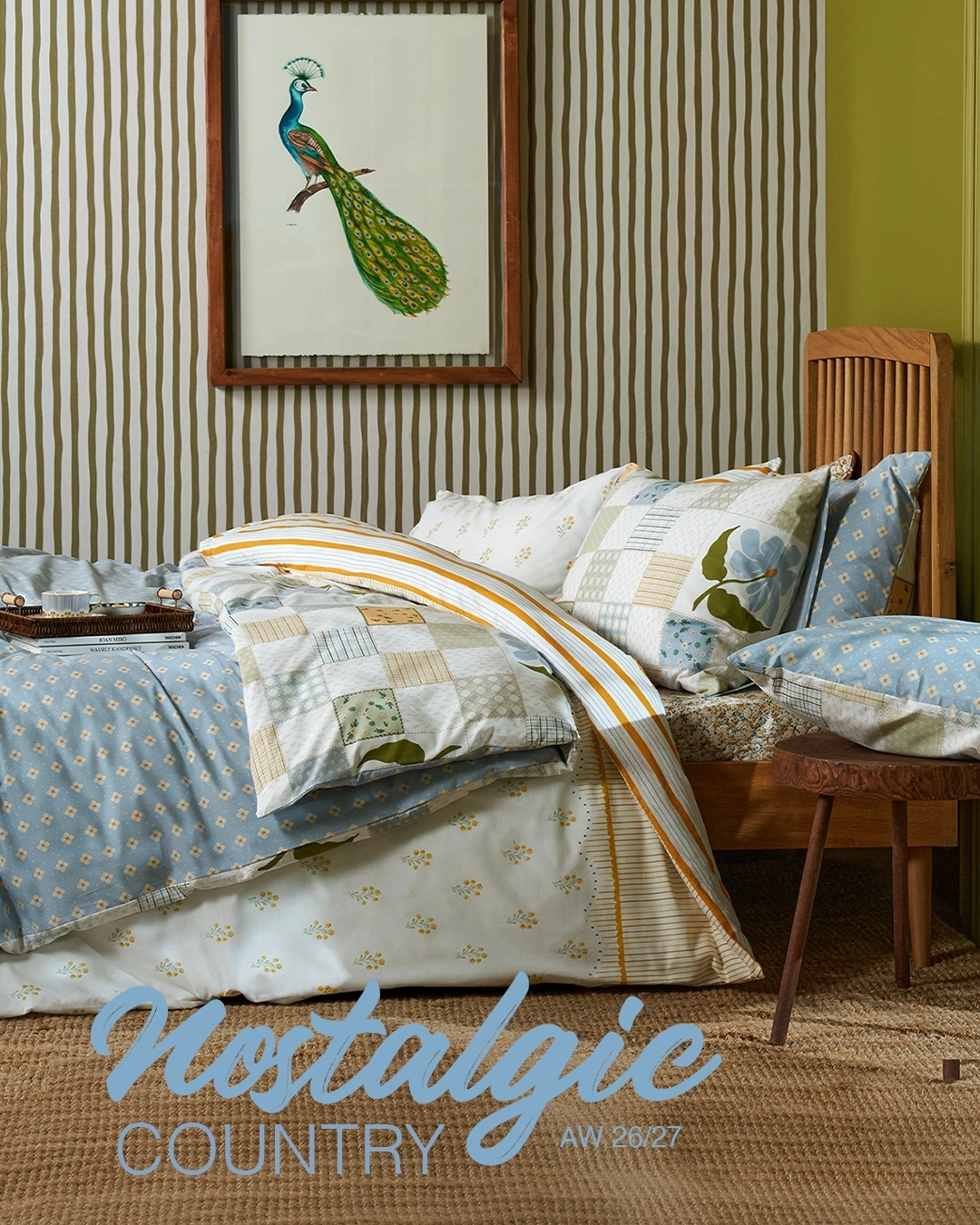
credit: @englishhome
Cool white furniture fights the fall palette quietly. Walnut tones on the two nightstands and one frame warm the room’s furniture layer. Paint, stain, or swap handles to get there cheaply.
Set or refinish nightstands in walnut to flank the bed symmetrically. Reframe the room’s largest print in walnut at the same tone. One wood tone repeated three times reads as a scheme, per the styling rule in Tip 27.
Fall Bedroom Lighting, Scent, and Texture
Fall evenings arrive early, and the bedroom earns its mood after dark. This section layers lamp light, candles, scent, and touchable texture. Every bulb matches the warm 2700K standard.
16. Set Bedside Lamps at 2700K With Shades at Eye Level

credit: @tiffanywoys
Overhead lights flatten a fall bedroom’s whole investment. Bedside lamps at warm temperature pool light where the evening happens. Shade bottoms at seated eye level kill glare.
Fit both bedside lamps with 2700K bulbs and cream fabric shades. Set each shade’s bottom at seated eye level, about 40 inches from the floor. Put both lamps on one switch or smart plug so the pair lights together.
| Lamp Layer | Spec | Height |
|---|---|---|
| Bulb | 2700K | – |
| Shade | Cream fabric | Bottom at 40 in |
| Switch | One for pair | Smart plug ok |
17. Cluster Flameless Candles on the Dresser at Three Heights

credit: @ctoan.co
Real candles near bedding and curtains carry real risk. Flameless clusters give the flicker with timers and zero flame. Three heights build the cluster’s rhythm.
Group flameless pillars at 4, 6, and 8 inches on the dresser or a tray. Set their timers for 7 p.m. so the room greets you lit. Keep real flame out of the bedroom entirely; the scent layer in Tip 18 covers fragrance.
18. Layer Scent With a Reed Diffuser in Cedar or Vanilla

credit: @yankeecandle
Scent is the fall layer guests notice first and see last. A reed diffuser in cedar, vanilla, or amber perfumes steadily without flame. One diffuser covers a bedroom for 6 to 8 weeks.
Set one reed diffuser on the dresser or nightstand, away from the candle cluster’s heat illusion. Flip the reeds weekly for a fresh scent wave. Choose cedar for woodsy rooms, vanilla for sweet ones, amber between.
| Scent | Mood | Best With |
|---|---|---|
| Cedar | Woodsy | Walnut-heavy rooms |
| Vanilla | Sweet | Cream-calm rooms |
| Amber | Warm spice | Rust-bold rooms |
19. Mix Three Textures Per Surface: Knit, Velvet, and Wood

credit: @monkeymews_
Single-texture rooms feel flat even in the right colors. Three textures per major surface build the touch depth fall promises. The bed already models it: knit throw, velvet lumbar, wood bench.
Audit the bed, dresser, and chair for texture count. Each needs at least three: one knit or woven, one velvet or smooth, one wood or natural. Add the missing texture with the smallest piece that carries it.
20. Hang Fairy Lights or a Garland Along the Headboard
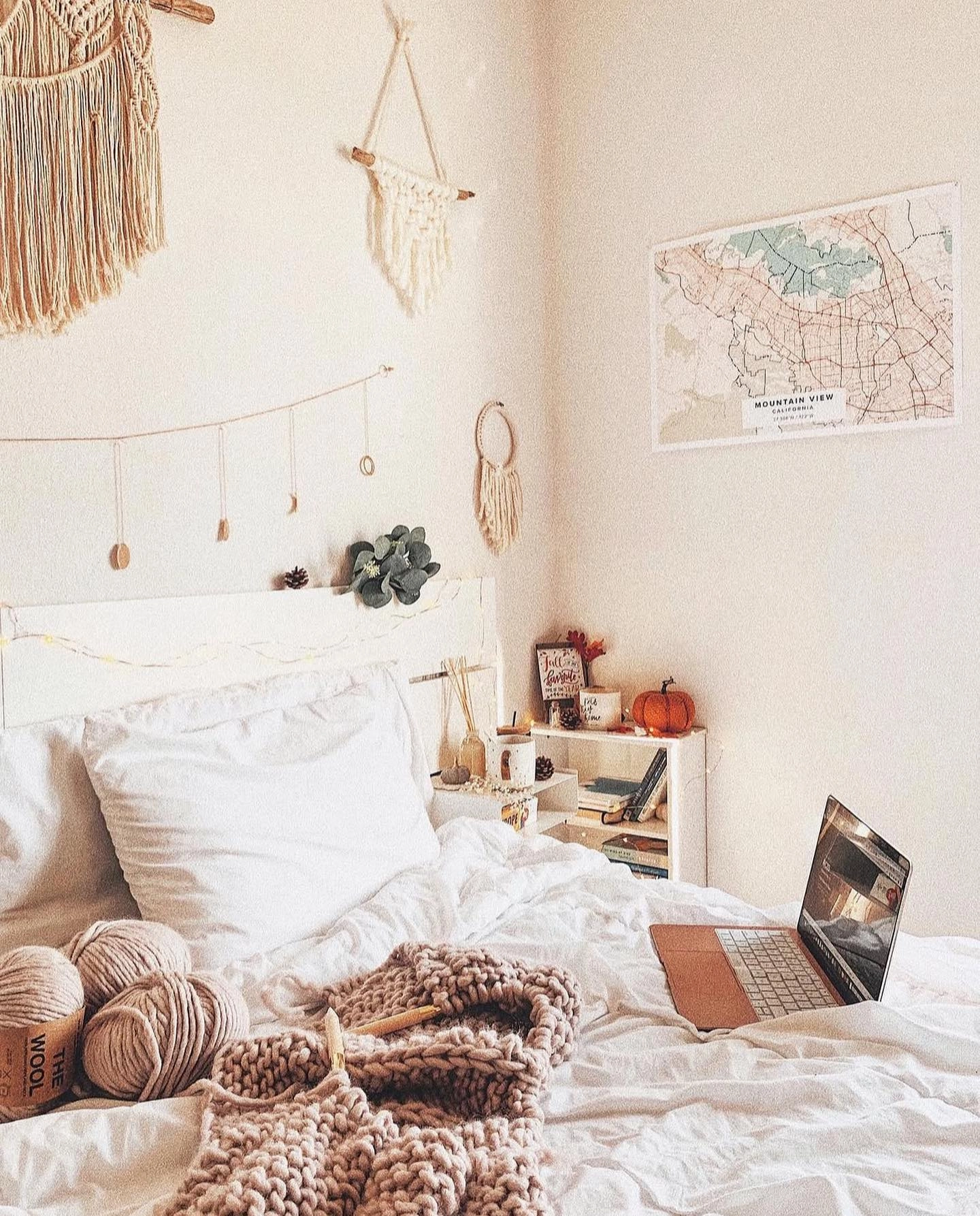
credit: @weareknitters
A soft light line at the headboard replaces the harsh last scroll of the phone. Fairy lights woven through the Tip 12 garland double one install into two layers. Warm white only; the palette forbids color noise.
Weave one warm-white fairy strand through the headboard garland or along the headboard’s top edge. Fix it with clear clips every 12 inches. Set the strand on the same 7 p.m. timer as the candle cluster.
Fall Bedroom Decor, Styling, and Finishing Touches
Layers are in place. This section sets the seasonal decor, runs the styling pass, and tests the room at dusk. Small moves here separate styled fall bedrooms from summer rooms with a pumpkin.
21. Set a Tray on the Dresser With Naturals and One Book Stack

credit: @chilly_autumn
Dresser tops scatter into clutter faster than any surface. One tray with naturals and a book stack styles the whole top in two groups. The tray rule from the cozy system applies unchanged.
Set one wooden tray on the dresser holding a naturals trio: mini pumpkins, pinecones, and one small plant. Stack two books beside the tray with a flameless candle on top. Everything else leaves the dresser top nightly.
22. Place Mini Pumpkins in Threes, Never Scattered Singles
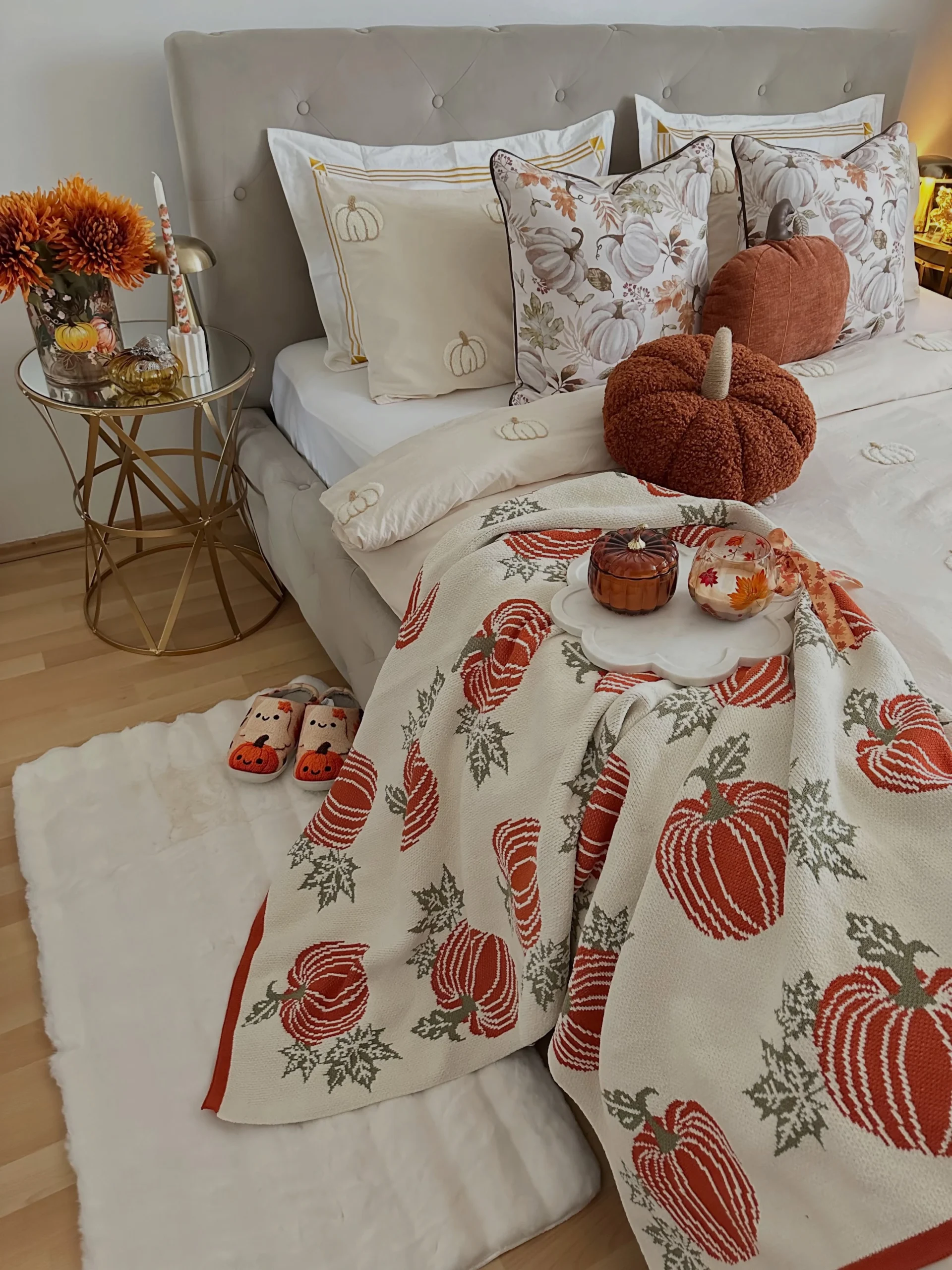
credit: @nada___home
Single pumpkins dotted around read as leftovers. Groups of three at the room’s touch points read as design. Cream pumpkins keep the palette calm against rust textiles.
Group mini pumpkins in threes on the nightstand, dresser tray, and windowsill. Mix sizes from 3 to 5 inches inside each trio. Keep total pumpkins under 12 in the room; beyond that the bedroom reads as a patch.
23. Drape a Plaid or Knit Throw Over the Chair or Bench

credit: @allyberrylifestyle
Bedrooms with a chair own a second styling surface. One draped throw carries the palette and pattern to that corner. The fold shows the textile at reading distance.
Drape one plaid or knit throw over the chair’s back or the foot bench’s end. Match its colors to the bed’s throw family without matching exactly. The second textile repeats the pattern language at a different scale.
24. Fill One Wall With Framed Fall Prints in Walnut

credit: @lumys_home
Bare side walls cool the room the accent wall warmed. A small gallery of fall prints in walnut frames spreads the warmth around. Three to five prints at one size read as a set.
Hang three to five fall prints in walnut frames in a tight grid or single row. Keep 2 inches between frames and centers at 58 inches. Swap the prints back to the summer set in spring; the frames stay year-round.
25. Add Dried Wheat or Pampas in a Vase at One Corner
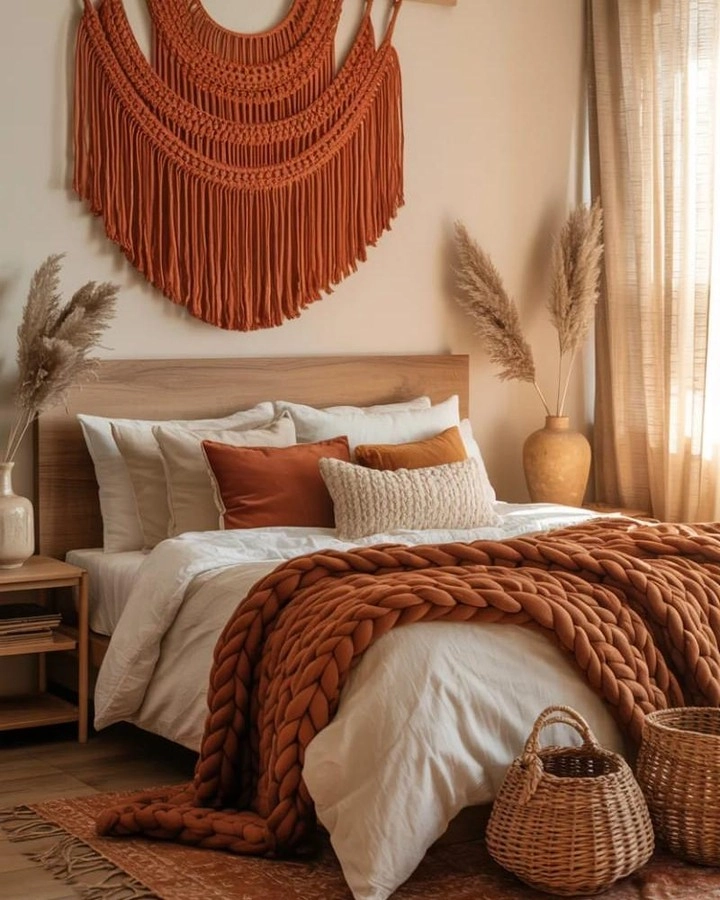
credit: @lovely.harbor
Fresh flowers fade in a week; dried stems carry the whole season. One tall vase of wheat or pampas fills a dead corner with height and harvest texture. Its tone bridges cream and walnut naturally.
Set one vase at least 18 inches tall in the room’s emptiest corner. Fill it with 9 to 12 stems of dried wheat or pampas, fanned wide. Keep the arrangement clear of the candle cluster and curtain hems.
26. Repeat Rust at Least Three Times in Every View

credit: @mrs.gdiydesigns
A single rust piece reads as an accident. Three sightings per view read as a scheme. This audit pass counts the lead color from the doorway and the bed.
Stand in the doorway and count rust sightings: duvet, shams, and one more piece minimum. Repeat the count from the bed’s pillow view toward the dresser. Add one small piece, a cushion or book cloth, wherever a count falls short.
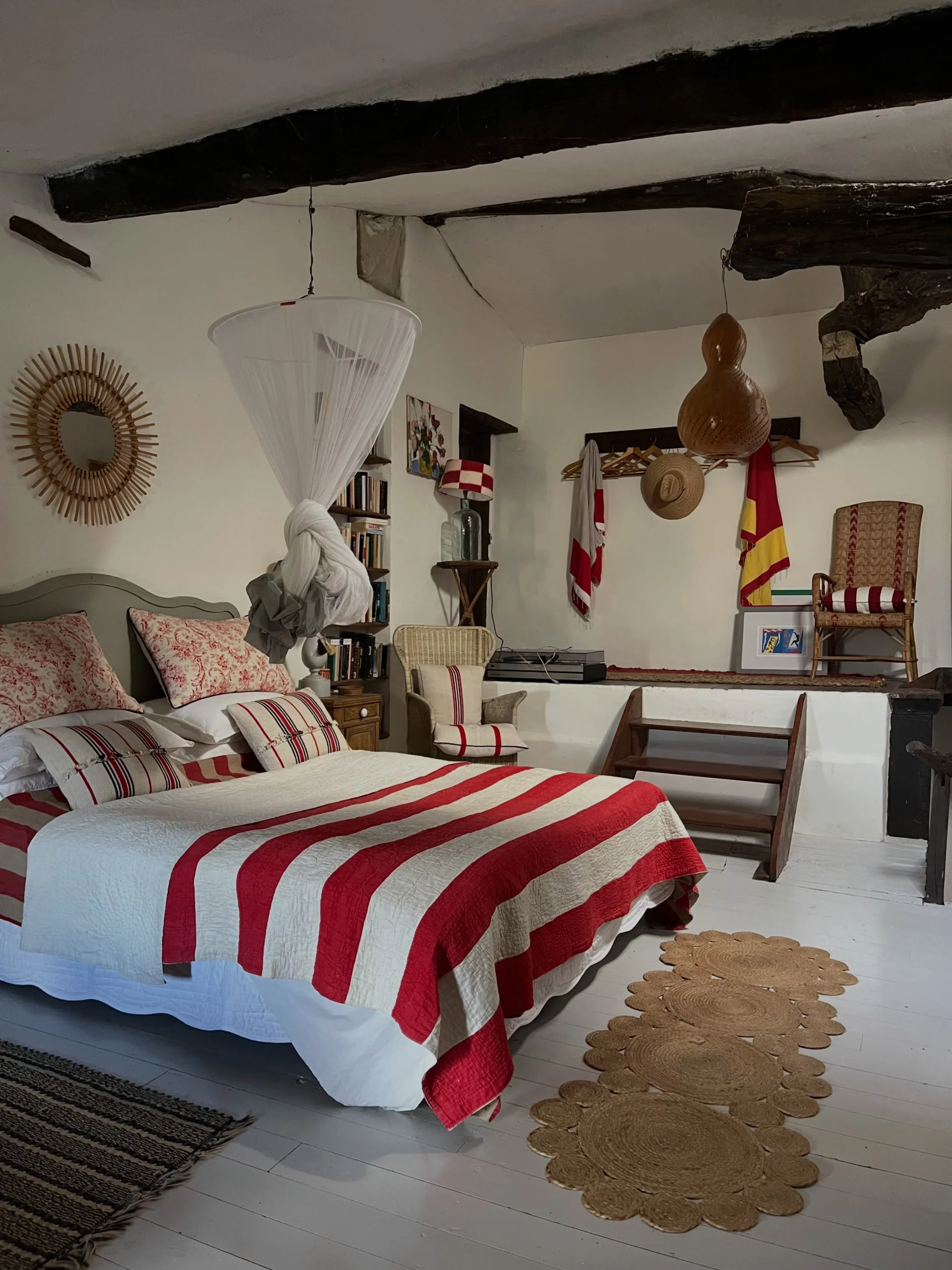
27. Test the Room at Dusk and Fix One Dark Corner
credit: @lucindachambers
Daylight hides the corners that swallow fall evenings. The dusk test from the bed shows the room as it is actually used. One lantern or candle move fixes most dark corners.
Lie on the bed at dusk with only the evening layers lit. Mark every corner that falls fully dark and every glare at eye level. Move one flameless candle into the darkest corner the same evening.
28. Photograph the Finished Room at Golden Hour

credit: @thecozyautumngirl
Memory flattens a scheme by next September. Golden-hour photos preserve every layer at its best. The set becomes next fall’s setup guide.
Stand in the doorway at golden hour and take four photos: wide, bed, dresser, and window. Save them in one album named with the year. Note any view that photographed flat and plan its upgrade first next fall.
Fall Bedroom Maintenance and Care Habits
Fall layers collect dust and scents faster than summer’s minimal sets. These habits keep textiles fresh, naturals clean, and the changeover reversible. Each habit takes under fifteen minutes.
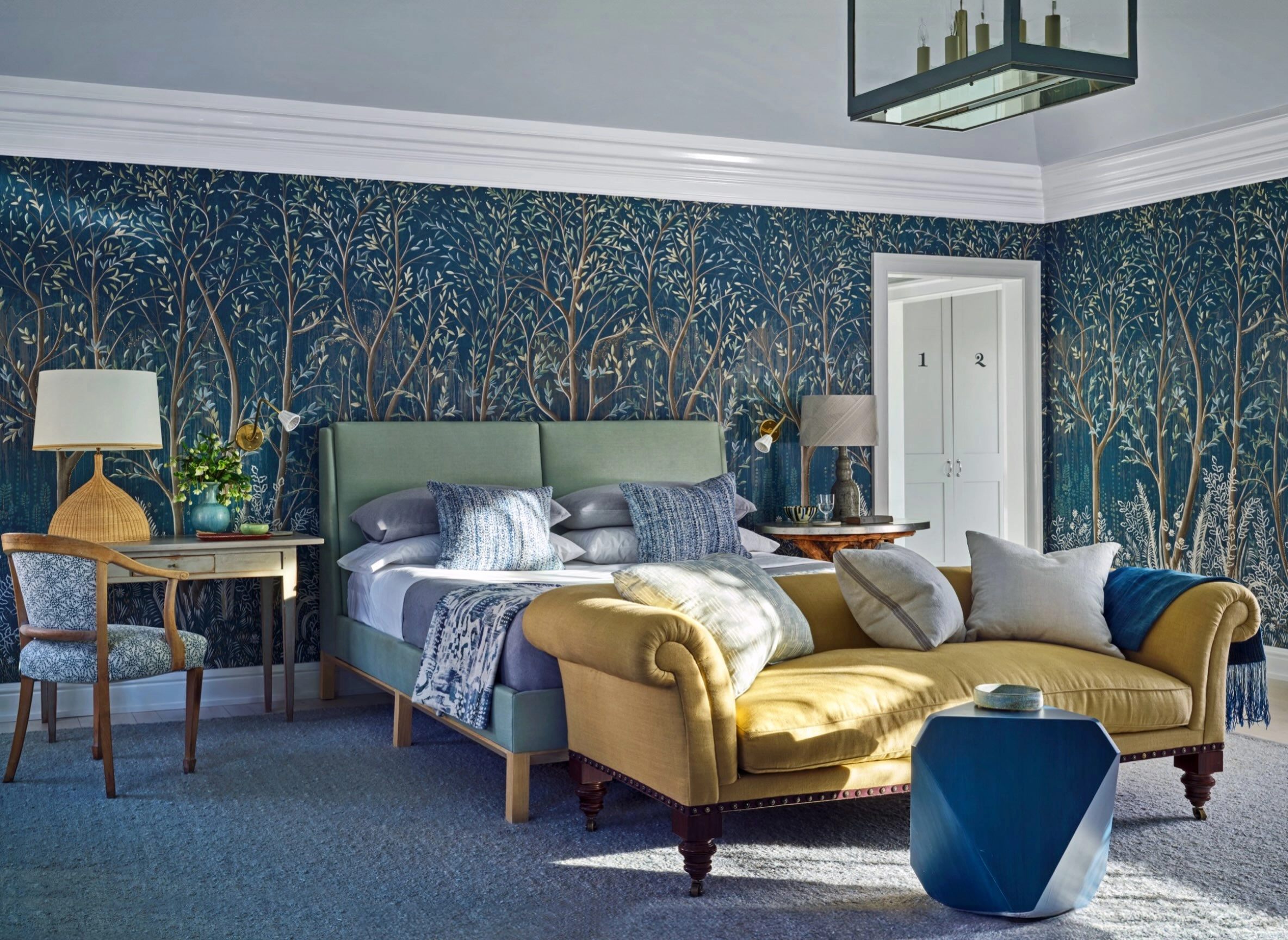
29. Air the Duvet and Quilt Weekly on a Chair Back
credit: @jeffreymarksinc
Trapped moisture dulls bedding and feeds musty smells. A weekly airing over a chair back in morning sun refreshes both layers. Fifteen minutes does the whole bed.
Drape the duvet and quilt over two chair backs near an open window every week. Give each 15 minutes of moving air and light sun. Remake the bed with the layers rotated so wear spreads evenly.
30. Rebuild the Layer Stack Every Morning in One Minute

credit: @lefeuilleter
Unmade fall beds lose their whole effect by noon. A one-minute rebuild, smooth, fold, stack, throw, keeps the room photo-ready daily. The habit costs less than the coffee run.
Smooth the quilt, fold the duvet back one third, stack the three pillow rows, and drape the foot throw. Time it once; the full sequence lands near one minute. The room greets every evening like the photograph.
31. Dust Naturals and Shake Throws Outdoors Monthly

credit: @kissesraspberry2
Pinecones, wheat, and knits gather dust invisibly all season. A monthly outdoor shake and wipe keeps them fresh without water. Wet naturals mold; dry care only.
Take throws, cushions, and naturals outside monthly and shake each hard. Wipe pinecones and pumpkins with a dry cloth; brush wheat heads gently. Anything showing mold leaves the room the same day.
32. Store Fall Layers Washed in the Summer Bin at Season’s End

credit: @brooklinen
The changeover bin system makes both seasons easy. Fall layers stored washed and labeled return next year ready. The summer bin comes out as the fall bin goes in.
Wash every fall textile cold and dry it fully before binning. Pack naturals in tissue on top of the textiles, never under weight. Label the bin with the room and season and store it off the floor.
| Bin Layer | Contents | Order |
|---|---|---|
| Bottom | Duvet + quilt, washed | First in |
| Middle | Throws + shams | Folded flat |
| Top | Naturals in tissue | Last in |
Common Fall Bedroom Mistakes
| Mistake | Why It Hurts | Fix |
|---|---|---|
| Fall decor over summer clutter | The room reads messy, not seasonal | Audit and store first, Tip 2 |
| One heavy blanket, no layers | Nights swing hot and cold | Layer by temperature, Tip 3 |
| Pumpkins scattered as singles | They read as leftovers | Group in threes, Tip 22 |
| Real candles near bedding | Fire risk where you sleep | Flameless only, Tip 17 |
| Cold white bulbs in fall lamps | The warmth dies at dusk | 2700K everywhere, Tip 16 |
| Skipping the morning rebuild | The styled bed lasts one day | One-minute rebuild, Tip 30 |
Fall Bedroom Ideas by Room and Situation
Small Bedrooms
Shrink counts, not layers: two pillow rows, one pumpkin trio, and the throw family only. The accent wall becomes a tapestry behind the bed. Skip the bench; the basket alone catches night layers.
Guest Bedrooms
Run the full layer system with the quilt folded at the foot so guests choose their warmth. Set the diffuser mild and the candle cluster on the dresser only. A small welcome note on the tray finishes the hosting layer.
Primary Bedrooms
Add the gallery wall and the chair corner in full. Both nightstands get lamps and walnut tones for symmetry. The budget’s decor column stretches furthest here because the room is used longest.
Rentals With No-Paint Rules
The tapestry replaces the accent wall, frames hang on adhesive hooks, and curtains swap on the existing rod. Every layer in this guide lifts off clean at move-out. The palette carries the season without a single painted surface.
Frequently Asked Questions
How do I make my bedroom cozy for fall?
Layer the bed by night temperature, lock a cream, rust, and walnut palette, and light the room warm at 2700K. Add naturals in groups of three and one scent layer. Tips 1 to 5 set the full foundation in one weekend.
What bedding is best for fall?
A mid-weight duvet at 250 to 350 GSM over a light quilt gives three warmth settings from two pieces. Cotton sheets stay year-round under both. Tip 3’s temperature table picks the nightly combination.
What colors are best for a fall bedroom?
Cream as the 60 percent base, rust as the 30 percent lead, and walnut as the 10 percent depth. The trio warms any existing furniture. Tip 1 sets the assignment and shopping rules.
How do I decorate a bedroom for fall on a budget?
Sequence by impact: duvet swap first, plaid throw second, naturals third. The three together land under $150 and carry most of the season’s effect. The budget split in Tip 4 phases the rest.
How many pillows should a fall bed have?
Three rows: sleeping pillows, shams, and two or three accents with plaid at the front. Accents stay under 18 inches and in odd numbers. Tip 9 sets the full stack order.
How do I add fall scent without candles?
Use a reed diffuser in cedar, vanilla, or amber on the dresser. Flip reeds weekly for a fresh wave across 6 to 8 weeks. Tip 18 matches scents to the room’s dominant tone.
When should I switch my bedroom to fall?
Swap layers when nights first drop under 65°F in your area. Curtains and the rug follow the same weekend. The golden-hour photos from Tip 28 close the changeover before guests arrive.
How do I make a small bedroom feel like fall?
Keep every layer but shrink the counts: two pillow rows, one pumpkin trio, and a tapestry accent. The small-room section above gives the full reduced plan. Palette and light rules stay unchanged.
How do I store fall bedding after the season?
Wash everything cold, dry fully, and pack in the labeled bin with naturals in tissue on top. Store the bin off the floor in a dry closet. Tip 32 sets the full packing order.
Conclusion
Warm fall bedrooms run on one system. Lock a cream, rust, and walnut palette, layer bedding by night temperature, and run warm 2700K light with scent and texture at every surface. The styling pass counts the lead color in every view and tests the room at dusk from the bed. The care habits keep layers fresh and the changeover reversible. Lock the palette tonight, swap the duvet this weekend, and let the room hold the season.