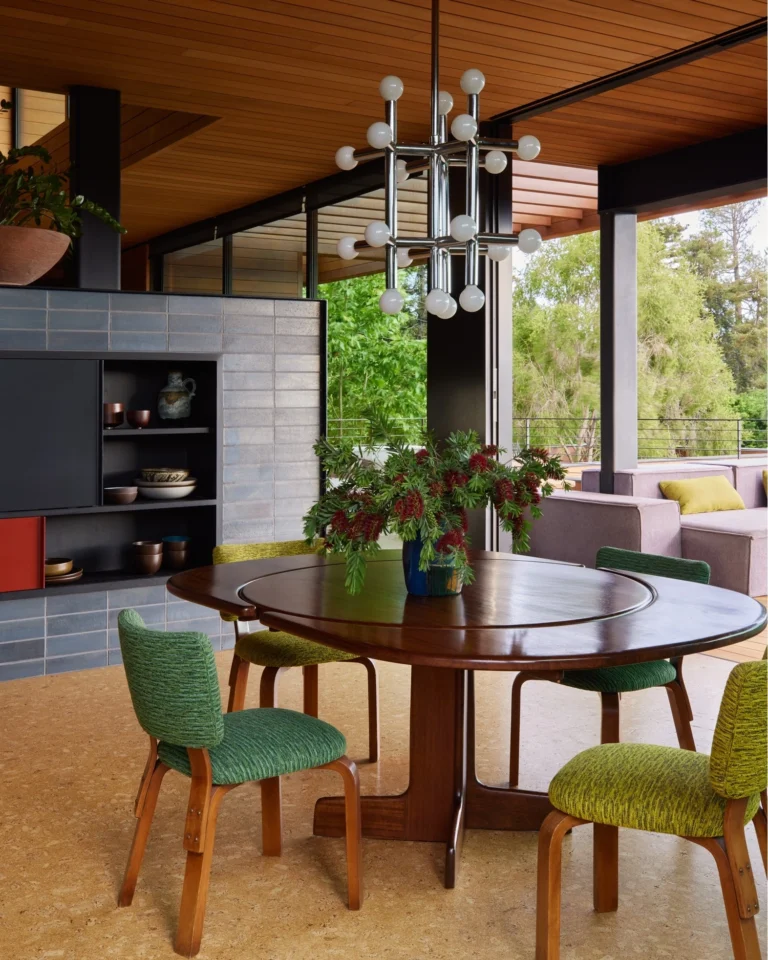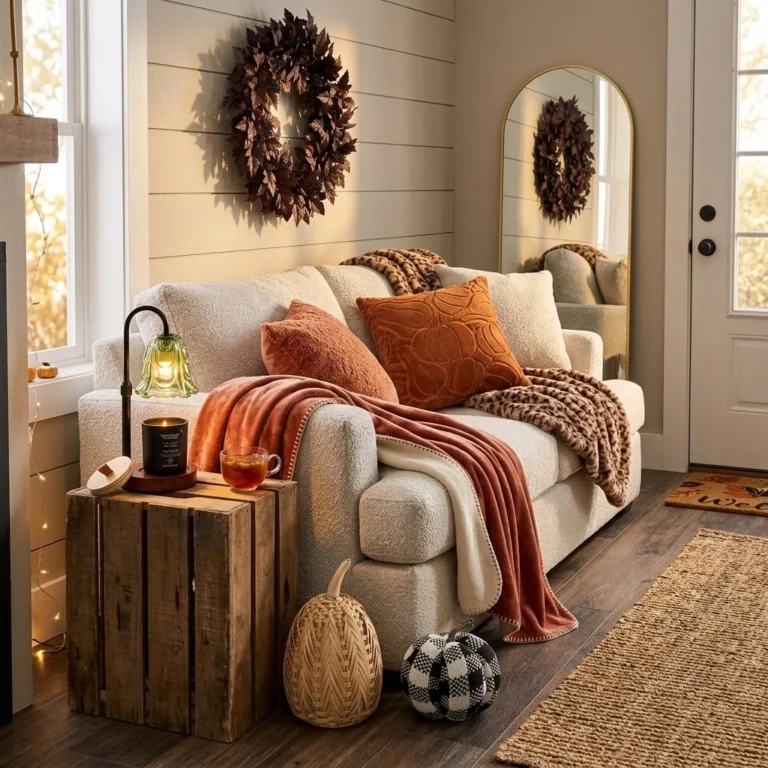
Living Room Wall Decor Ideas: 32 Proven Ways to Fill Walls Well
Your living room wall decor succeeds or fails on scale, height, and cohesion, not on how many pieces you own. This guide gives you 32 exact ideas, each with a measurement, a method, and a result you check with your own eyes. As professional interior designers consistently find, living room walls that look finished share three traits. Every arrangement obeys scale, art spanning two-thirds of the furniture beneath it, centers near 57 inches. The pieces share a thread, one frame family, palette, or subject, because cohesion separates a gallery from a storage wall. And the walls are planned as a system, focal first, breathing room defended, because a room where every wall shouts relaxes nobody. Work the sections in order and your walls build from a measuring tape to the room’s finished portrait.
One number guides every purchase in this guide. Your full scheme lands between $50 and $5,000, and every tip below states its cost before you buy.
Before You Begin: Five Foundation Steps for Living Room Wall Decor
Failed walls share one cause: pieces hung one at a time, too high, with no plan for the whole room. This foundation section measures your walls, plans your focal point, and fixes your heights before the first nail. Every later section builds on these five steps.
1. Measure the Walls and the Furniture: The Two-Thirds Law Starts Here
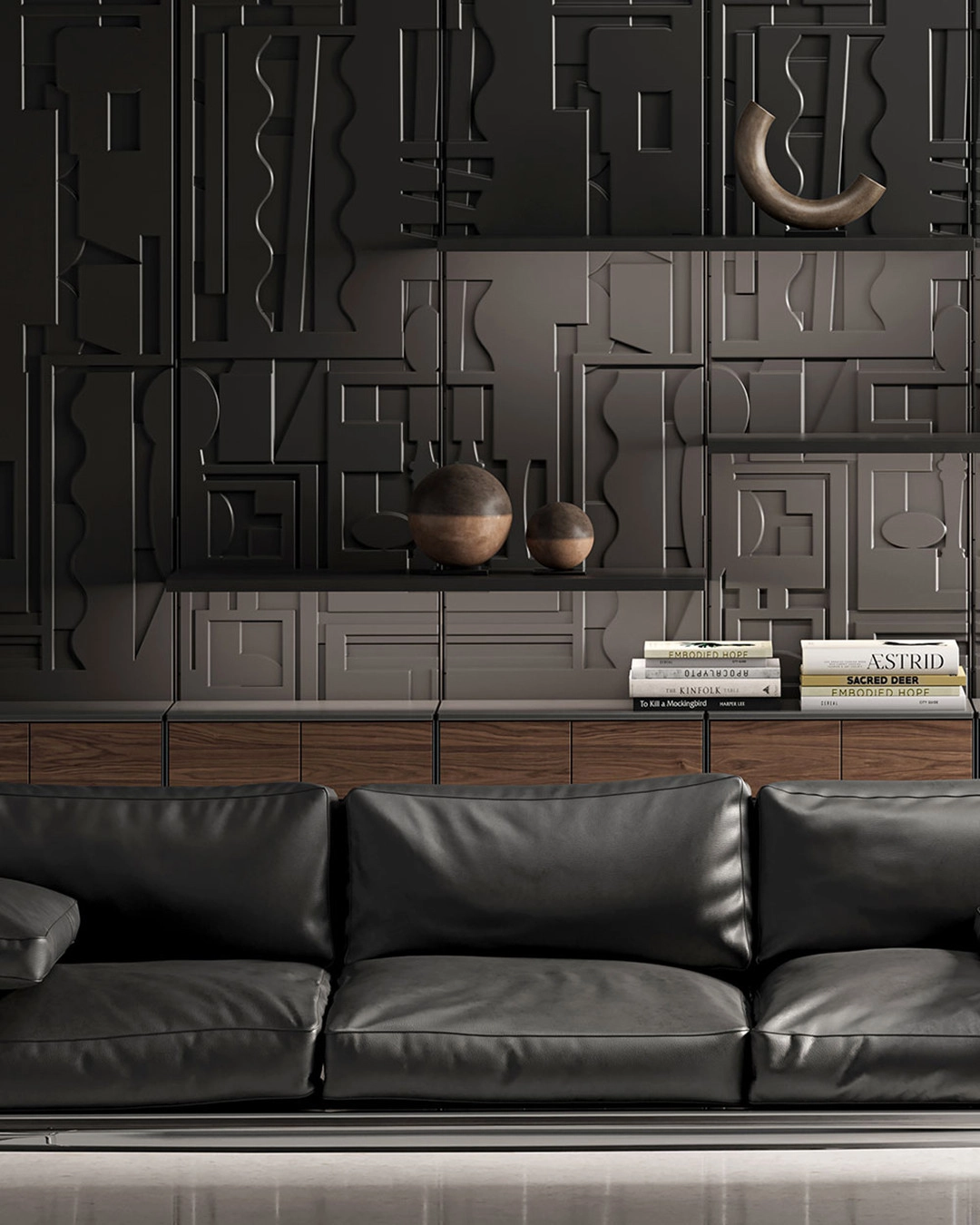
credit: @interiordesignmag
Every wall is measured and written down: width, height, the furniture beneath it, and the arrangement it can honestly carry. Art above furniture spans roughly two-thirds of that furniture’s width, a 60-inch sofa taking a 40-inch composition. Single pieces that span less than half read as lost; groups are measured as one composition, frame edges included.
Ceiling height sets the vertical budget, tall walls taking stacked or oversized work, low walls taking horizontal compositions. The measurements live in the file with a sketch per wall. This survey takes an hour and prevents the two classic errors, the postage stamp and the billboard, before a single hole exists.
| Scale Law | Span | Budget |
|---|---|---|
| Art over furniture | Two-thirds width | Composition measured |
| Single under half | Reads lost | Group it |
| Ceilings | Vertical budget | Tall = stacked |
2. Choose the Focal Wall and Dose the Rest: One Star, Supporting Cast
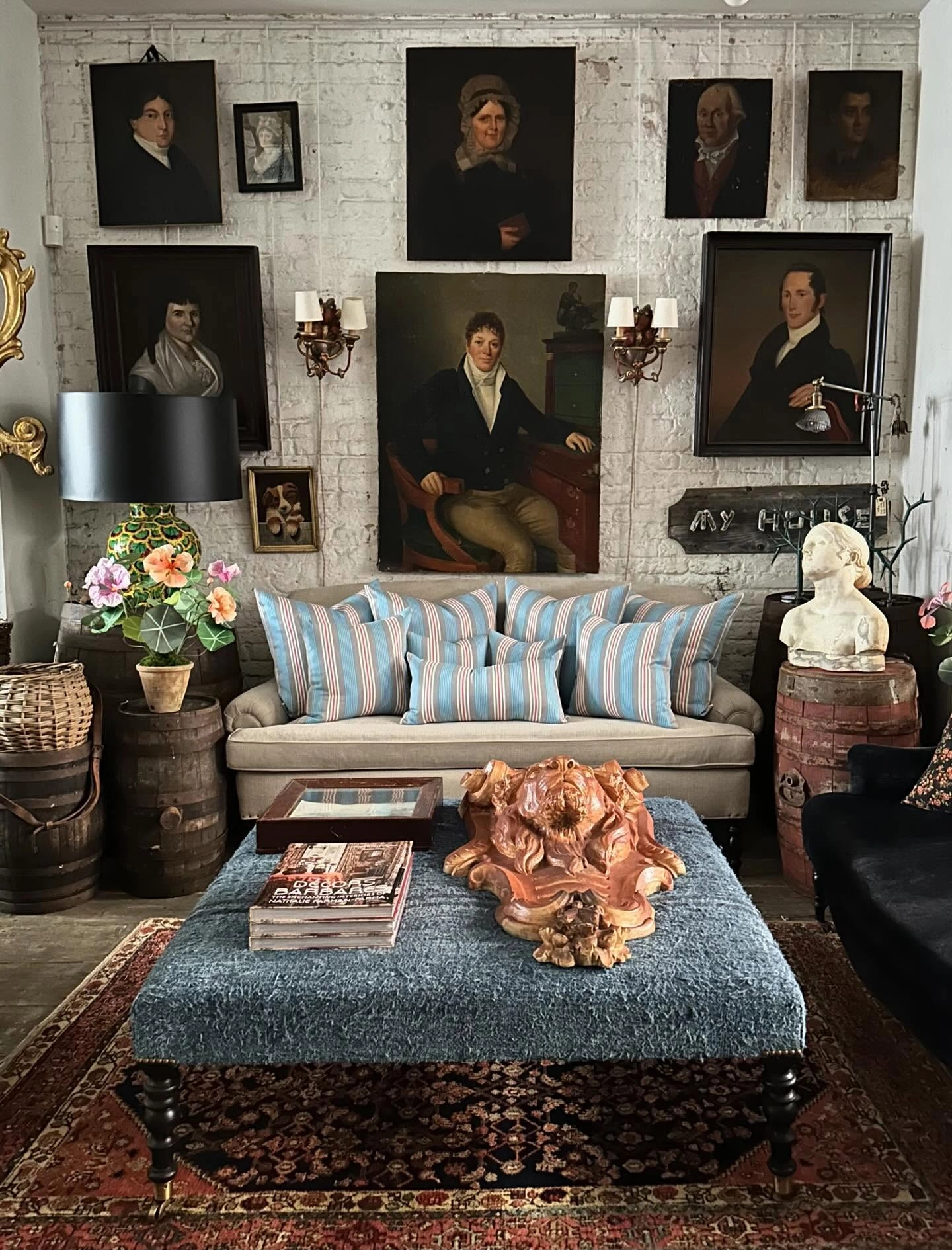
credit: @johnderiancompany
The room’s walls are cast like a play: the focal wall, usually the sofa’s or the fireplace’s, takes the major composition; the supporting walls take one quieter piece each or a functional citizen, mirror, shelves, clock; and at least one wall or stretch rests entirely, breathing room being a design material. The casting is written in the file before shopping, enthusiasm being a poor director.
The focal wall is chosen from the door’s first view and the sofa’s own view, the room’s two galleries. Windows and doors count as wall citizens already, their frames part of the composition. This hierarchy is why designed rooms feel calm, the eye knowing where to land.
| Casting Law | Walls | Dose |
|---|---|---|
| Focal | Sofa/fireplace | Major composition |
| Supporting | One quiet piece | Or a worker |
| Rest | At least one stretch | Breathing room |
3. Learn the Heights: 57 Inches to Center, 6 to 8 Above Furniture
credit: @thomaspheasant
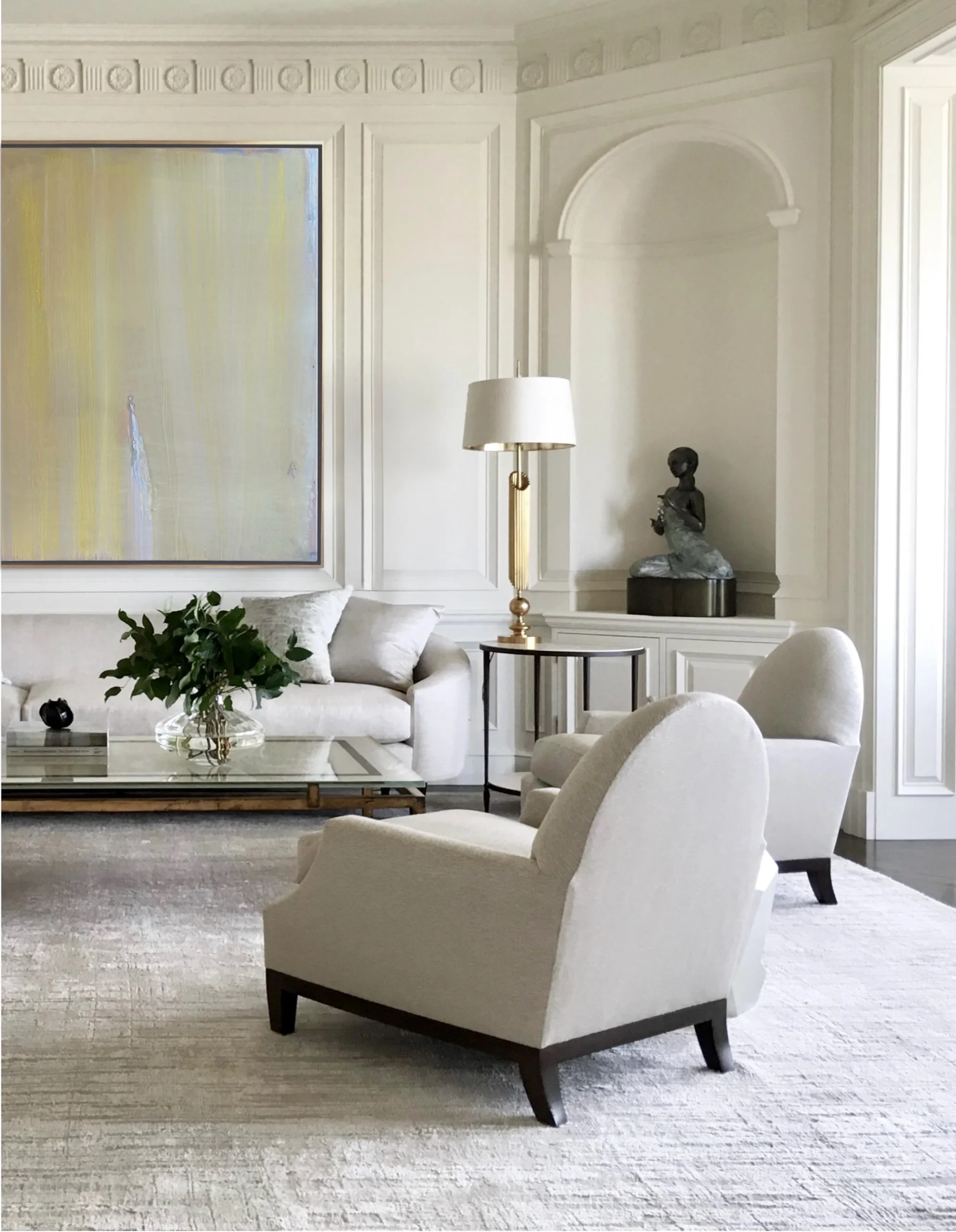
The hanging heights are law: a piece’s center at 57 to 58 inches from the floor on an empty wall, the gallery standard; above furniture, the piece’s bottom edge 6 to 8 inches above the furniture’s back; groups are centered as one composition by the same rules. Tape marks the center before any nail, the wall auditioned at full scale. Two people hang everything large, one holding, one judging from the door.
Stair walls and tall walls adapt the law by sightline, the center following the standing eye on the stairs. Pieces hung by different household members at different guesses are the quarrel this law exists to prevent. This measurement, memorized once, improves every wall the household will ever hang.
| Height Law | Empty Wall | Above Furniture |
|---|---|---|
| Center | 57–58 in | — |
| Bottom edge | — | 6–8 in above back |
| Groups | One composition | Same rules |
4. Pick the Thread: Frame Family, Palette, or Subject, One Must Repeat

credit: @ilevelinc
Every wall’s pieces share a thread: the frames in one family, black, warm wood, or brass, with mats in one white; or the art in one palette drawn from the room’s own colors; or one subject, landscapes, portraits, botanicals, carried through. Two threads may marry by the plan’s permission; three is a crowd. The thread is chosen before the art, frames and mats being bought as a system.
Existing beloved pieces are audited against the thread, reframing being cheaper than replacing. A piece that cannot join any thread becomes the focal solo, Tip 6, or retires to another room with honors. This discipline is the entire difference between a gallery wall and a wall of things.
| Thread Law | Options | Bought |
|---|---|---|
| Frames | One family + one white | As a system |
| Palette/subject | Room’s colors/one theme | Two threads max |
| Outliers | Solo or retire | Reframing first |
5. Set a $5,000 Budget and Split It by Focal Wall, Frames, and Light

credit: @dabito
Wall budgets creep through small pieces bought before the focal composition is funded. A split budget stops the creep at the first receipt. The focal wall takes the crown because it carries the room’s portrait.
Divide $5,000 into $2,000 for the focal wall’s art, $1,200 for framing and mats, $1,000 for mirrors, shelves, and architectural pieces, and $800 for lighting and finishing. Track every receipt against its column the same day. A column that hits its ceiling closes until something returns to the store.
| Line | Ceiling | Main Buys |
|---|---|---|
| Focal wall art | $2,000 | The portrait |
| Framing + mats | $1,200 | The thread |
| Mirrors + shelves | $1,000 | Supporting cast |
| Light + finish | $800 | Sconces, extras |
Gallery Walls and Art: The Focal Compositions
Art carries the focal wall. This section scales, groups, and frames it. Every piece reports to Tip 1’s measurements and Tip 4’s thread.
6. Hang One Oversized Piece as the Solo: Scale as the Whole Statement

credit: @davidnettosays
The bravest focal wall is one oversized piece: a single canvas, photograph, or tapestry spanning two-thirds of the sofa, its subject calm or commanding by the room’s register. One piece ends the composition debate, its scale doing all the talking. The solo is hung by Tip 3’s heights with hardware rated for its true weight, anchors, not optimism.
Abstracts and landscapes carry large scales most gracefully, detail rewarding the distance. A solo piece earns a picture light or a sconce pair, Tip 17, its stardom lit. This wall is the room’s signature, and it is chosen like one.
| Solo Law | Span | Hardware |
|---|---|---|
| One oversized piece | Two-thirds of sofa | Rated anchors |
| Subjects | Abstract, landscape | Distance rewarded |
| Light | Picture light/sconces | Stardom lit |
7. Build the Gallery Wall on the Floor First: Paper Templates and 2-Inch Gaps
credit: @schumacher1889
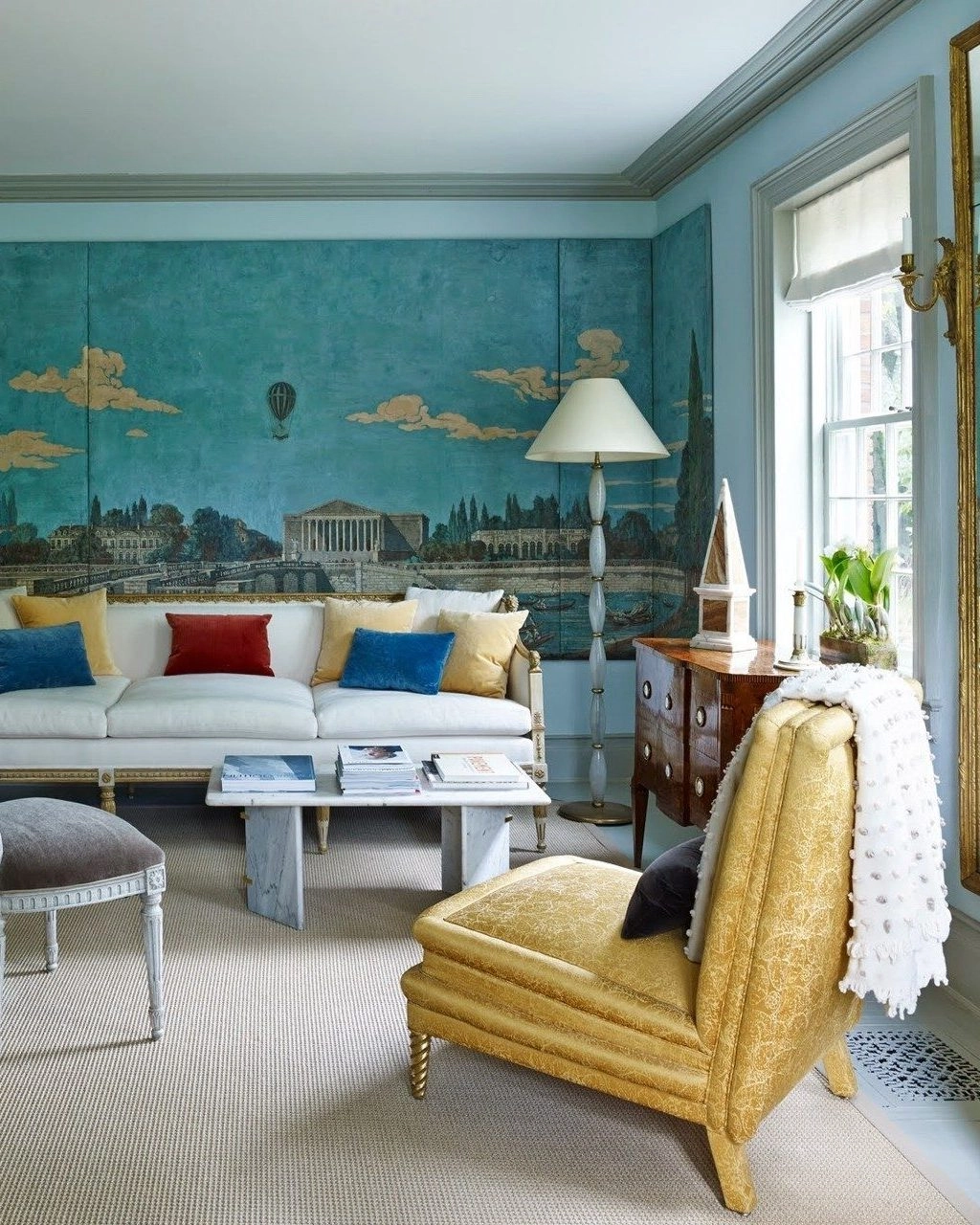
Gallery walls are composed on the floor or in paper templates taped to the wall, never by nail and hope: pieces arranged as one composition spanning Tip 1’s two-thirds, gaps consistent at 2 to 3 inches, the largest piece placed first at the composition’s visual anchor, usually low-left or center. The template lives on the wall for a day, the household voting with its eyes before holes commit.
Odd numbers and one unifying thread, Tip 4, carry most galleries; symmetry serves the formal register, a grid of identical frames being its purest form. The composition’s outer shape is deliberate, a rectangle, a stair-step, or an organic cloud with a level bottom edge. This patience is why some galleries look curated and others look like a search history.
| Gallery Law | Method | Gaps |
|---|---|---|
| Compose | Floor/templates first | 2–3 in consistent |
| Anchor piece | Largest, low-left/center | Placed first |
| Shape | Rectangle/stair/cloud | Level bottom |
8. Mix the Media Inside the Thread: Art, Photographs, and One Object
credit: @onthewallframing
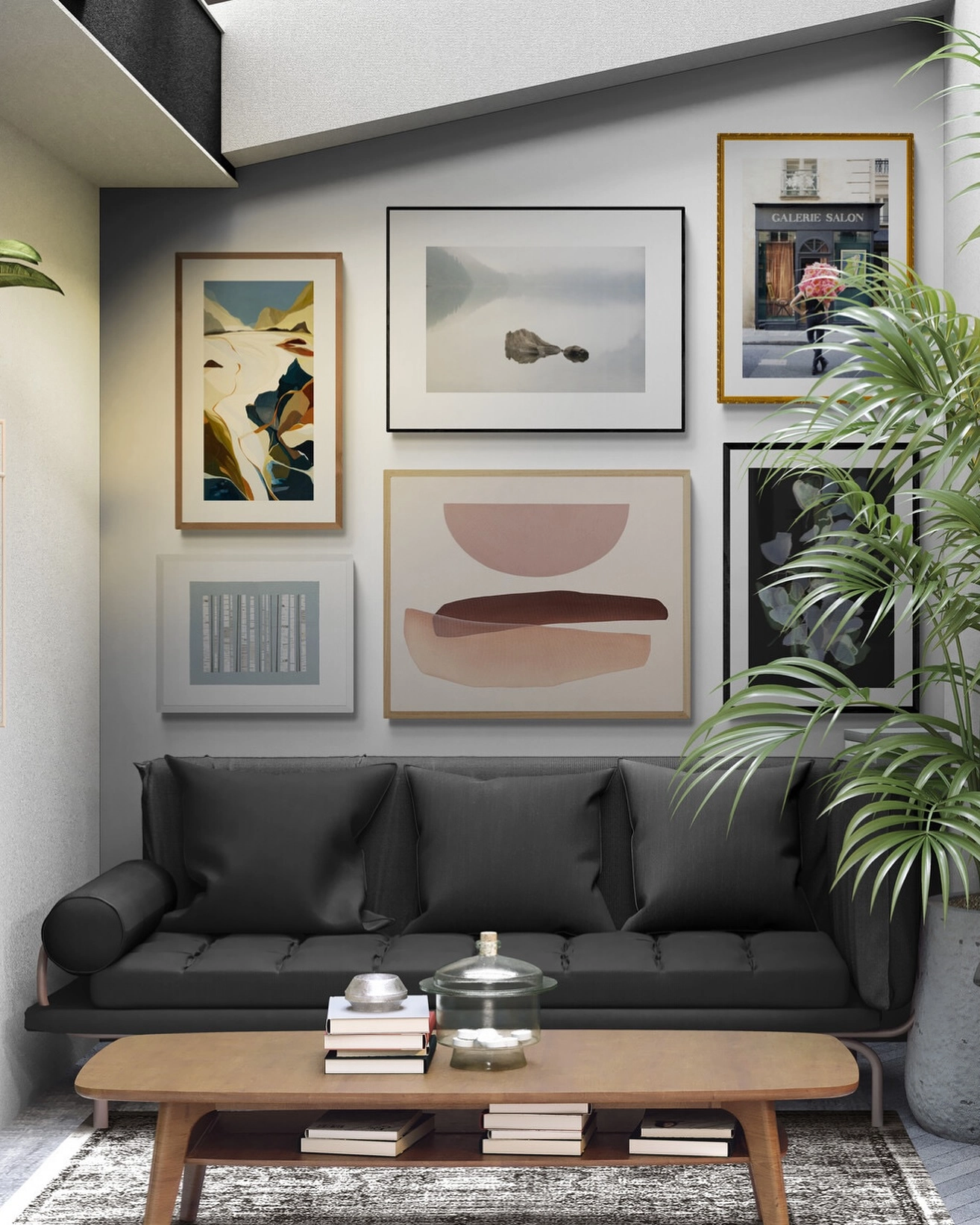
A gallery gains life by mixing media inside its thread: prints and paintings beside photographs, one shallow object, a small plate, a woven piece, a child’s framed masterpiece, at the composition’s heart. The thread, frames or palette, holds the variety together like a family with different faces. Texture at one or two pieces is the dose; a wall of objects is a shelf with ambition.
Personal photographs cluster at the gallery’s intimate end or take the hallway, the living room’s gallery keeping one foot in art. Every piece is hung level and checked from the door, small tilts reading as neglect at distance. This mixing, disciplined by the thread, is the gallery wall’s whole charm.
| Mix Law | Media | Dose |
|---|---|---|
| Art + photo | Inside the thread | One object max |
| Photographs | Intimate end/hallway | Gallery keeps art |
| Levels | Checked from door | Tilts = neglect |
9. Frame Like a Professional: Mats, One White, and Glass That Disappears

credit: @desenio
Framing is half the art: mats in one warm white across the room, their width generous, 2 to 3 inches, giving every piece air; frames in Tip 4’s family, depth consistent; glass or acrylic chosen for the wall’s light, anti-glare where windows oppose. A cheap print in a great frame out-dresses an expensive print in a poor one, the frame being the art’s clothing.
Canvas pieces float or gallery-wrap, their edges finished, no frame required where the register is modern. Framing is budgeted as a system in Tip 5, bought in batches for consistency. This craft, invisible when done right, is what galleries charge admission to teach.
| Frame Law | Mats | Glass |
|---|---|---|
| Width | 2–3 in, one white | Air for every piece |
| Frames | One family, one depth | Batch-bought |
| Glazing | Anti-glare vs windows | Canvas floats free |
10. Commission or Collect Slowly: Originals, Prints, and the Story Wall

credit: @thejohnglover
The collection grows by story: one original or limited piece as the room’s pride where budget allows, quality prints filling the supporting roles, every piece able to answer the question of why it hangs. Slow collecting beats instant sets, the wall becoming autobiographical over years. Sources are filed, artists’ names recorded, the collection’s memory kept like the art deserves.
Art sets bought in a day read as sets forever, their matching being their confession. A piece that stops being loved rotates to another room or to the file’s store, Tip 32, walls being edited like gardens. This patience turns decor into a collection, the room’s value compounding in meaning.
11. Take Art Around the Corners: Wrapping Compositions and the Hallway’s Gift
credit: @keithmcnallynyc
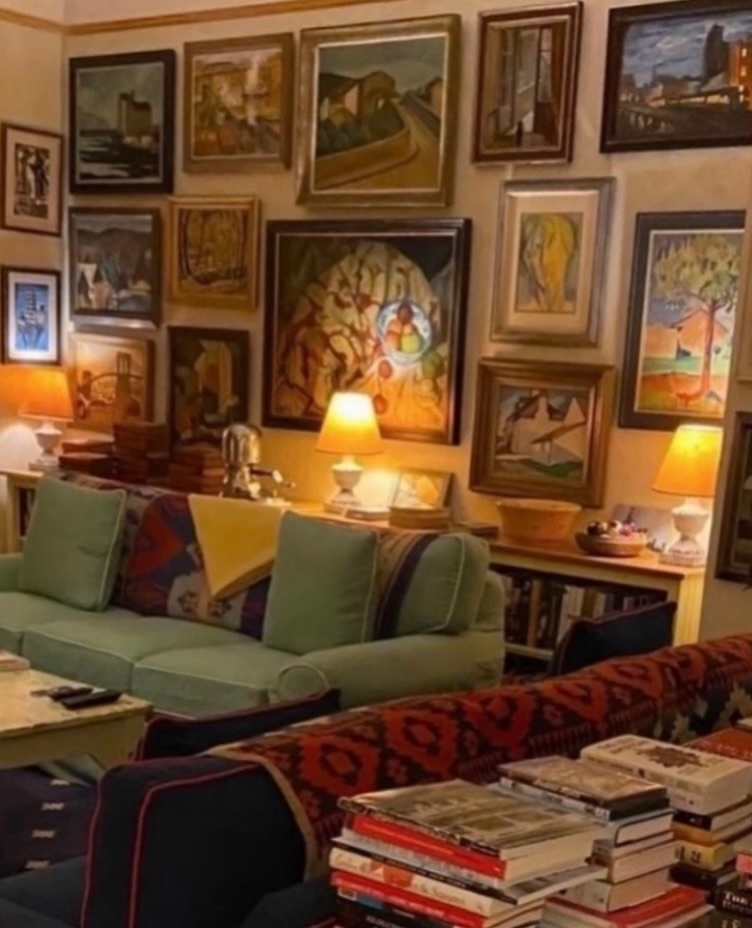
Compositions may wrap a corner, a gallery turning the room’s angle with pieces spaced by the same gaps, the corner itself treated as a mullion rather than a stop. Hallways and the sofa’s side walls receive the collection’s overflow at supporting doses, Tip 2. A wrapped corner is the confident register, planned in the template stage like everything else.
Pieces near corners take the room’s traffic audit, shoulders and vacuum cleaners voting. The wrap’s far end tapers, smaller pieces closing the composition like a sentence’s end. This flow makes the room feel collected from every seat, not just from the door.
Mirrors, Shelves, and Architecture: The Supporting Cast With Jobs
Functional citizens earn their walls. This section mirrors, shelves, and panels them. Every piece reports to Tip 2’s casting.
12. Hang a Mirror Where It Has a View: Light Doubled, Never the Ceiling
credit: @studioathenacalderone
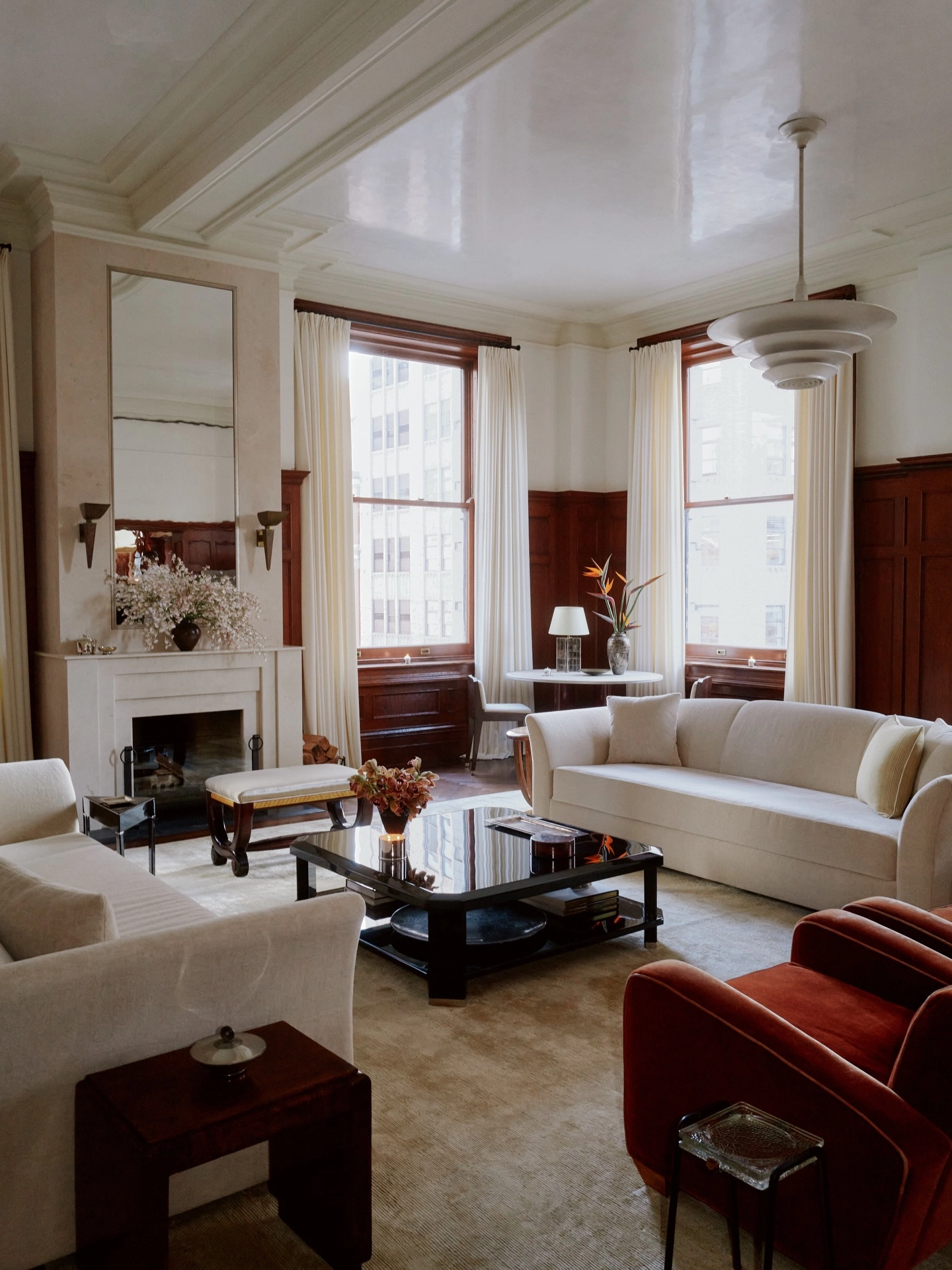
A mirror is placed by its reflection, not by the wall’s emptiness: opposite a window to double the garden, above the fireplace to catch the room’s glow, beside a lamp to multiply its light. A mirror reflecting a ceiling fan or a cluttered corner is a mistake hung at eye level. Scale follows Tip 1, the mirror spanning like art, round mirrors softening the rectangular rooms.
Leaning mirrors serve the casual register and the renter, their bases secured against slides and children. Frame finishes join Tip 4’s thread or the room’s metal. This citizen works for its wall, light and depth being its wages.
| Mirror Law | Placed For | Scale |
|---|---|---|
| Reflection | Window, glow, lamp | Like art, Tip 1 |
| Never | Ceiling fans, clutter | Eye-level mistake |
| Leaning | Casual/renter | Base secured |
13. Float Shelves as a Styled Library: Books, Objects, and Air Between

credit: @flowbylara
Floating shelves take a supporting wall in ones or twos, styled as still life: books in horizontal stacks and vertical runs, one plant trailing, objects in the room’s materials, air between every cluster. Shelves are anchored to studs or rated anchors, their loads honest. Two shelves out-style four, restraint being the shelf’s whole elegance.
Shelf styling rotates seasonally, Tip 30, the wall refreshing without a purchase. Books’ spines face the palette’s judgment, the loudest covers turned or jacketed where the register is calm. This library is the room’s personality at reading distance, curated like it.
| Shelf Law | Count | Styling |
|---|---|---|
| Floating | One or two | Studs/rated anchors |
| Clusters | Books, plant, object | Air between |
| Rotation | Seasonal | No purchase needed |
14. Add Panel Molding or Wainscoting: Architecture Painted In

credit: @ayne_asli
Panel molding gives plain walls architecture: rectangles of trim painted the wall’s color, shadow doing the decorating, art hung inside the panels like portraits in a gallery. Wainscoting at chair-rail height grounds long walls and defends them from furniture’s negotiations. The pattern is taped and lived with before the trim is cut, proportions proven at full scale.
Panels are sized to the wall’s furniture, a panel centering the sofa’s span. Renters achieve the register with removable trim or with paint alone, Tip 20. This architecture is the wall decor that needs no dusting, its elegance structural.
| Panel Law | Build | Art |
|---|---|---|
| Molding | Painted wall color | Hung inside panels |
| Wainscot | Chair-rail height | Grounds long walls |
| Proportions | Taped first | Panel centers sofa |
15. Hang a Tapestry or Textile Art: Warmth and Sound in One Piece

credit: @dara_caponigro
Textiles warm the walls literally and acoustically: a woven tapestry, a quilt, a macramé, or a framed textile spanning like Tip 6’s solo, softening the room’s echo as surely as its look. Hanging is by rod, batten, or frame, the textile’s weight distributed, its bottom weighted or free by its nature. Colors join the room’s palette, the textile being a painting you can hug.
Textiles rotate with seasons where the household enjoys the ritual, wool in winter, linen-weave in summer. Sun-fade is audited, textiles migrating away from the fiercest glass. This softness is the wall’s answer to the room of hard rectangles, one woven citizen changing the acoustics of conversation.
16. Install a Picture Rail or Ledge: The Changeable Gallery

credit: @serenaandlily
A picture rail with hooks and cords, or a set of picture ledges, makes the wall changeable: art rearranged for seasons, parties, and new acquisitions without new holes. Ledges layer frames overlapping like a mantel of art, depths creating the casual register. The system suits renters and the chronically indecisive equally, both being honorable estates.
Rails are installed level and into structure, their cords and hooks in the thread’s metal. Ledges take a lip’s discipline, nothing precious at a toddler’s or a tail’s altitude. This system turns wall decor from a commitment into a conversation, the room’s easiest refresh.
17. Light the Walls: Sconces, Picture Lights, and the Glow’s Frame

credit: @arhaus
Wall lighting frames the decor: sconces flanking the fireplace, the mirror, or the solo art, their glow washing the wall in warmth; picture lights crowning the pride pieces; all at 2700K and on dimmers where the wiring allows. Sconces hang at 60 to 66 inches to center, shades directing light down and out, never into eyes.
Battery and plug-in sconces serve renters and old houses, their cords dressed or hidden. Light is aimed at the art’s center, hotspots audited from the sofa. This layer makes the walls glow at the hour the room is most used, decor earning its keep after dark.
Textiles, Objects, and Living Walls: Depth Beyond the Flat
Walls gain depth. This section clocks, plates, and plants them. Every piece reports to Tip 4’s thread.
18. Hang the Clock as a Citizen: Scale, Silence, and the Right Wall

credit: @nicolehollis
A wall clock earns its place as decor with a job: scaled like art by Tip 1, its face in the room’s materials, its mechanism silent or softly ticking by the household’s treaty. Clocks take supporting walls, the kitchen’s view or the hallway’s end being their classic posts. A clock as the focal wall’s star suits the modern and farmhouse registers, its size making the argument.
Second hands that sweep silently are the insomniac’s specification. The clock’s time is kept honest, a wrong clock being decor lying in public. This citizen, chosen like art, serves like staff.
19. Compose Plates, Baskets, and Hats: The Woven and Ceramic Walls

credit: @apartmenttherapy
Flat woven and ceramic citizens compose beautifully: baskets in graduating sizes, plates in the palette, hats on a hallway wall, arranged as Tip 7’s gallery with templates and consistent gaps. One material family per wall is the dose, the collection reading as texture rather than as storage. Light raking across woven surfaces is the composition’s reward, sconces or windows placed to graze.
Hangers are rated and hidden, the citizens floating. Dust is their tax, paid on Tip 29’s round with a brush and forgiveness. This wall is the room’s craft chapter, handmade texture against the manufactured room.
20. Paint the Wall Decor: Murals, Color Blocks, and the Renter’s Reversibles

credit: @joshandbrent
Paint itself decorates: a soft mural, an arch or a color block behind the sofa or a shelf, limewash texture across the focal wall, each in the room’s palette a step deeper or lighter. Removable wallpaper and decals serve renters with the same effects and no deposit drama. Painted decor is taped and tested at full scale like Tip 14’s panels, proportions proven before commitment.
A painted arch frames a console or a reading chair like architecture’s embrace. Limewash moves with the light all day, the wall’s own weather. This decor costs a tin and a weekend, the budget’s most eloquent argument.
21. Grow a Living Wall Element: Trailing Shelves, Wall Planters, and the Green Thread

credit: @alexandragater
Plants join the walls at a dose: trailing pothos or ivy from the shelves and high corners, wall planters in one material family flanking a mirror or a window, a single large specimen in the corner conducting the eye upward. Living walls proper, irrigated panels, belong to the committed and the plumbed. Light is audited honestly, plants placed where they can live, not where the composition wishes.
Watering access governs placement, a plant you cannot reach is a plant on a countdown. Faux citizens of quality serve the dark corners without shame. This green layer softens every hard edge it touches, the wall’s seasons changing at leaf speed.
Living Room Wall Styling and Finishing Touches
The walls are filled. This section runs the styling pass: balance, breathing room, and the photograph test. Wall decor is finished when the room feels composed from every seat.
22. Balance the Room’s Visual Weight: Heavy Walls, Quiet Walls, and the Eye’s Rest

credit: @markdsikes_interiors
The finished walls are audited as a room: the focal composition’s weight balanced by the supporting walls’ quieter citizens, no corner hoarding all the darkness or all the glitter. A heavy mirror may answer a heavy gallery across the room, symmetry of weight rather than of objects. The audit is done from every seat, each view deserving one good composition and one place to rest.
Imbalance is fixed by moving one piece, the smallest change that restores the chord. The television, where it reigns, counts as a heavy citizen and is balanced like one. This audit is the difference between a decorated room and a composed one.
23. Defend the Breathing Room: Empty Wall as a Deliberate Citizen

credit: @trendywalls.es
Empty stretches are defended as design: the wall above a low sideboard left bare to crown its still life, the space beside the solo art kept clear so the solo sings. Breathing room is photographed and filed like a piece, its emptiness intentional. Guests who ask what will go there are answered with the truth: nothing, on purpose.
New acquisitions audition against the breathing room’s job before they hang anywhere. A wall that fills slowly over years is a collection; a wall filled in a weekend is a shipment. This restraint is the stylist’s hardest discipline and the room’s calmest feature.
24. Style Around the Television Honestly: Frames, Panels, and the Black Mirror’s Manners

credit: @howdensjoinery
The television is decorated with honesty: framed by panel molding or a gallery that includes it as the largest black frame, shelves flanking it with the thread’s citizens, its wall painted a step deeper where the register argues. The screen’s off-state is the composition’s problem and is solved by arrangement, not denial. Cords are hidden by law and by Tip 31’s craft.
A frame-style television displaying art is the luxury register, its manners impeccable when off. The console beneath takes the still life, Tip 13, the technology housed in furniture rather than floating in wires. This honesty keeps the modern room composed at every hour, screen lit or dark.
25. Photograph the Walls and Keep the Wall File

credit: @phoebehoward_decorator
The finished room is photographed from the door, the sofa, and each seat at noon and at the lamp-lit evening, and the file is completed: each wall’s measurements and sketch, the pieces with sources and artists, the hardware map of anchors and studs, and the thread’s specifications. The file is the walls’ memory, rearrangements and repairs executed from evidence. Photographs catch the piece that hangs a degree off and the composition that crowds while fixes are one ladder away.
Spare frames, mats, and hardware store labeled with the file’s list. Compliments are recorded with the walls praised, evidence for the next room. Walls with a file improve yearly; without one, every new piece restarts the whole negotiation.
26. Run the Weekly and Seasonal Edits: Levels, Dust, and the Rotation
credit: @centuryply
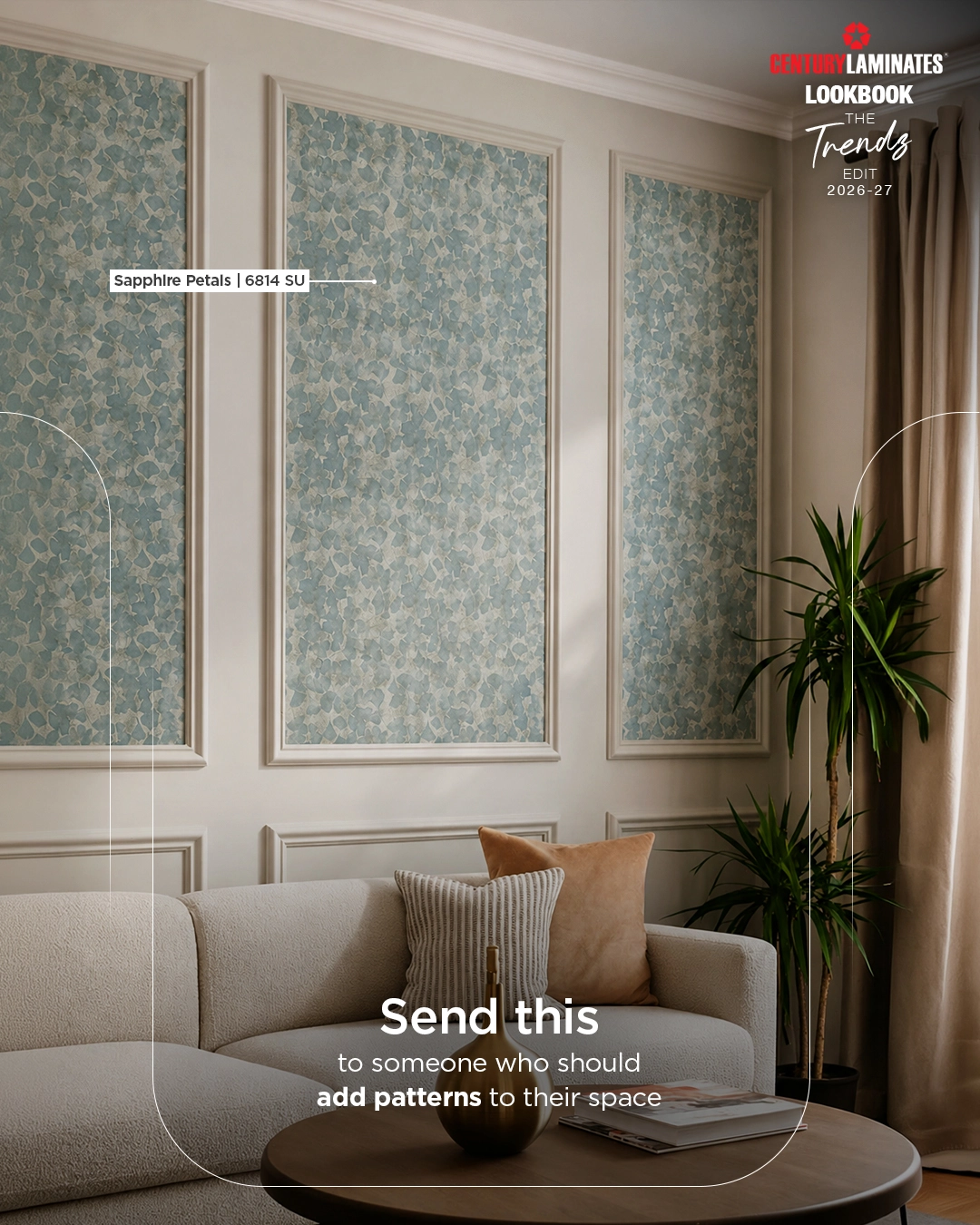
Weekly, frames are leveled with a fingertip’s judgment and glass dusted where the light accuses. Seasonally, one composition rotates, pieces exchanged with the file’s store or another room, the walls refreshing without a purchase. The edit is calendared, small and often, the room never needing the weekend rescue of a full rehang.
A piece that has not been looked at in a year is a piece on probation, rotation or retirement its sentence. New art enters through the thread’s audition, Tip 4, never through enthusiasm alone. This rhythm keeps the walls alive, decor being a garden that hangs.
27. Avoid the Wall Traps: The Shrunk Solo, the High Line, and the Clutter Field

credit: @alexandragater
The traps are named so they can be refused: the Shrunk Solo, one small piece drowning over a large sofa, cured by Tip 1’s two-thirds law or by grouping it into a composition; the High Line, everything hung at standing eye height of a tall person with furniture crouching beneath, cured by Tip 3’s 6-to-8-inch rule; and the Clutter Field, every wall at full shout, cured by Tip 2’s casting and Tip 23’s defended rest.
The door photograph audits all three traps at once, scale and height reading without sentiment. A trapped wall is fixed at its cheapest layer first, rehanging before rebuying. This honesty, applied yearly, keeps the walls the room’s pride rather than its apology.
Wall Decor Care, Hanging Craft, and Keeping Them True
Walls are maintained like the art they carry. These habits hang, clean, and protect them. Each one defends the compositions and the plaster.
28. Hang With the Right Hardware: Studs, Anchors, and the Weight’s Honesty
credit: @sanctuary.by.lisakahn
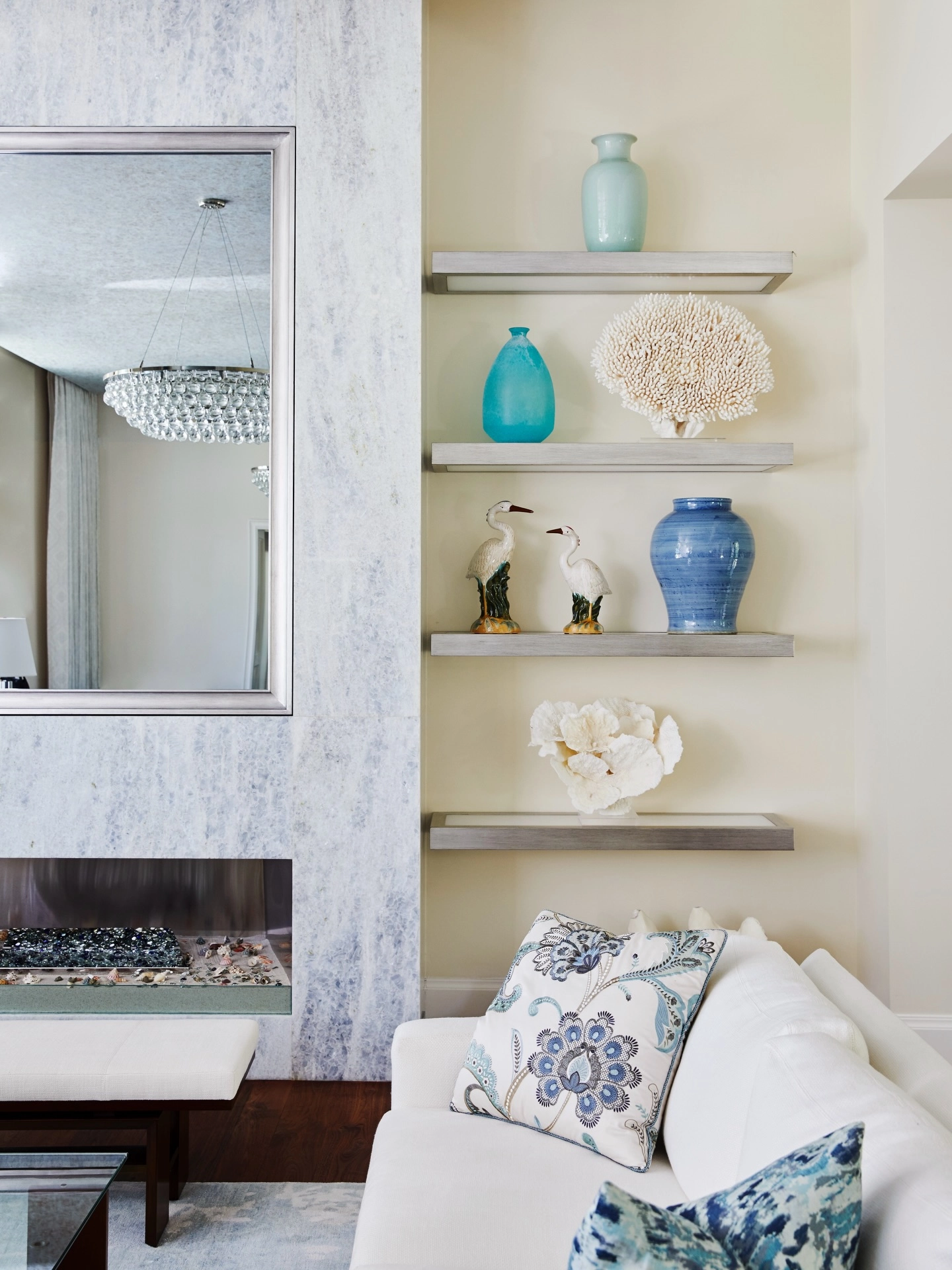
Every piece hangs on hardware rated for its true weight: studs for the heavy citizens, rated anchors for plaster and drywall, two points for anything wide so leveling is structural rather than hopeful. The stud map from Tip 25’s file guides every new hole. Renters use the approved systems, rails, ledges, and adhesive rated honestly, Tip 16.
Bumpers behind frames keep them level and the paint unscarred. A fallen piece is rehung on better hardware, never on the same hole’s optimism. This craft is invisible in the finished room and absolute in its consequences.
29. Clean the Walls’ Citizens: Glass, Canvas, Textiles, and Woven Dust

credit: @serenaandlily
Each material is cleaned by its law: glass with a cloth barely damp, sprayed, never the frame’s wood; canvas dusted dry with a soft brush; textiles vacuumed gently through a screen; woven baskets brushed outdoors. Sun-facing pieces are inspected for fading on the same round, rotation evening their exposure. Dust is the wall’s slowest vandal, removed on schedule rather than on guests.
Cleaning products never touch gilding or raw wood, water and kindness being the solvents. A damaged piece goes to the file’s list for professional care, amateur restoration being a second damage. This literacy keeps the collection luminous for decades.
30. Refresh the Compositions Seasonally: Swaps, New Mats, and the One New Piece

credit: @williams_lawrence_interiors
Seasonally, the walls refresh by editing rather than by shopping: two pieces exchanging walls, a mat replaced where it yellowed, the ledges restyled, one new piece admitted through the thread’s audition where the year has earned it. The refresh is photographed against Tip 25’s editions, drift corrected while it is a rumor. Textiles rotate by Tip 15, the walls wearing the year like the rooms do.
Frames that tire are repainted in the thread’s color, the system renewing its own clothing. A composition that no longer composes is retired whole, its pieces redistributed by the file. This rhythm keeps the walls feeling curated in year five, not just in the first photograph.
31. Hide the Cords and the Hardware: The Finished Wall’s Invisible Craft

credit: @pierceandward
Cords from sconces, picture lights, and the television run in channels painted the wall’s color, inside walls where the work allows, or behind furniture’s cover, never dangling in the composition. Hanging wires and hooks sit hidden behind their frames, the citizens floating as if by confidence. Cable covers are measured and mitered, the craft finished like joinery.
Surge protection guards the wall’s electronics, the file noting its location. A cord that must show is dressed deliberately, fabric-wrapped or run along the architecture’s lines. This invisibility is the professional finish, noticed only in its absence elsewhere.
32. Store the Rotation and the Spares: Flat, Dark, and Labeled

credit: @nancysiebertmurphy
The off-duty collection stores flat or hanging in a dark, dry place: framed pieces separated by cardboard, canvases face-protected, textiles folded in tissue, spare frames and mats with the file’s inventory. Nothing leans against anything precious, storage damage being the collection’s quietest thief. The store is audited yearly, pieces promoted, gifted, or released with the file updated.
Climate swings are the stored art’s enemy, attics and damp basements refused. A released piece leaves with its story, the file recording its new home. This system makes the rotation of Tip 26 and Tip 30 a pleasure rather than an excavation.
| Habit | Task | Frequency |
|---|---|---|
| Level + dust | Fingertip levels, glass | Weekly |
| Clean | By material law | Monthly/seasonal |
| Refresh | Swaps, mats, one new piece | Seasonal |
| Hardware audit | Anchors, cords, bumpers | Yearly |
Common Living Room Wall Decor Mistakes
| Mistake | Why It Hurts | Fix |
|---|---|---|
| Art too small over the sofa | The Shrunk Solo | Two-thirds law, Tip 1 |
| Everything hung too high | The High Line | 57 in + 6–8 in rules, Tip 3 |
| Every wall full | The Clutter Field | Casting + rest, Tips 2, 23 |
| No thread among pieces | A storage wall | Frames/palette/subject, Tip 4 |
| Mirror facing clutter | A mistake at eye level | Hang for the view, Tip 12 |
| Nails by hope | Crooked, fallen, scarred | Templates + rated hardware, Tips 7, 28 |
Living Room Wall Decor Ideas by Wall and Budget
The Sofa Wall
Oversized solo, gallery composition, textile, or panel molding with art inside, all spanning two-thirds of the sofa at the 6-to-8-inch height. These walls win on focus, the room’s portrait. Their discipline is Tip 1’s measurement, scale doing the decorating before style arrives.
The Fireplace Wall
Mirror or art above the mantel, sconces flanking, the mantel’s still life below completing the composition. These walls win on ceremony, the room’s ancestral altar. Their discipline is Tip 12’s reflection audit, the mirror doubling light rather than clutter.
The Television Wall
Panel molding or a gallery including the screen, a deeper paint step, shelves flanking with the thread’s citizens. These walls win on honesty, technology composed rather than denied. Their discipline is Tip 24’s arrangement, the off-state designed like any other hour.
Renter and Budget Walls
Picture ledges, rails, removable wallpaper, painted arches, leaning mirrors, and one great print in a great frame. These walls win on ratio, transformation without a single forbidden hole. Their discipline is Tip 16’s changeable systems, commitment-free and proud of it.
Frequently Asked Questions
How high should I hang art in a living room?
Center pieces at 57 to 58 inches from the floor on empty walls, and above furniture hang the bottom edge 6 to 8 inches above the furniture’s back, groups centered as one composition. Tip 3 states the law; tape the center and audition from the door before any nail, and let two people hang anything large.
How big should art above a sofa be?
Roughly two-thirds of the sofa’s width for the composition, frames and gaps included, so a 60-inch sofa takes about 40 inches of art. Tip 1 measures it; less than half the width reads as lost, and a gallery group is measured as one piece by the same rule.
How do I plan a gallery wall?
Compose it on the floor or in paper templates taped to the wall, largest piece first at the anchor, gaps consistent at 2 to 3 inches, one thread of frames, palette, or subject uniting it, and live with the templates a day before drilling. Tip 7 builds it; nail-and-hope is how galleries become apologies.
What can I hang besides pictures?
Mirrors placed for their reflections, floating shelves styled as still life, tapestries and textiles, clocks, plates and woven baskets, wall planters and trailing plants, panel molding, and painted arches or murals. Tips 12 to 21 hang them; every citizen joins the thread and earns its wall with scale.
How do I decorate a large blank wall?
Give it one major composition at scale, an oversized solo, a gallery, a textile, or architecture like panel molding, then let the surrounding stretches rest. Tips 2 and 6 cast it; large walls fail by accumulation of small pieces, not by emptiness, and breathing room beside the composition is part of the design.
Should all my frames match?
They should share a thread, one frame family with one mat white being the strongest, though a palette or a subject can carry the unity instead with mixed frames inside it. Tip 4 picks the thread before the art; reframing a beloved piece is cheaper than replacing it, and consistency is what galleries charge admission to teach.
How do I decorate walls as a renter?
Use picture ledges and rails, leaning mirrors secured at the base, removable wallpaper and decals, painted effects where the lease allows, and adhesive systems rated honestly for the weight. Tips 16 and 20 build the renter’s register; changeable systems are a style in themselves, not a compromise.
Where should a mirror go in a living room?
Where its reflection earns the wall: opposite a window to double the garden and the light, above the fireplace to catch the room’s glow, beside a lamp to multiply it. Tip 12 places it by the view, never by the emptiness; a mirror reflecting clutter or a ceiling fan is a mistake hung at eye level.
How do I stop my walls looking cluttered?
Cast the walls, one focal composition, quieter supporting pieces, and at least one stretch resting entirely; keep one thread among all pieces; and edit seasonally, rotating rather than accumulating. Tips 2, 23, and 26 run the discipline; clutter is a casting failure, and every wall shouting is a room nobody can relax in.
Conclusion
Living room walls that look finished run on one system. The walls are measured, the focal wall is cast, and the heights are learned, 57 inches to center and a hand’s breadth above the furniture, because scale and height are decisions made with a tape, not with hope; the compositions are built with a thread, galleries templated before they are nailed, mirrors hung for their views, shelves and textiles and living green dosed as a supporting cast, so the room reads as one portrait from every seat; and the walls are kept, leveled weekly, cleaned by their laws, refreshed by rotation from a labeled store, its file recording every anchor and artist, so the collection deepens like a garden that hangs. Tape one paper template this week where your focal composition will live, and take the before photo from the door.