
A whimsy room transforms a flat, forgettable space into one that feels genuinely alive. This look creates instant visual interest through unexpected color, curved furniture, and layered detail — without tipping into clutter. This guide delivers 24 specific, actionable strategies for building a whimsy room from the ground up. Start with your color story before you buy a single decor piece.
Before You Begin: 4 Foundation Steps for a Whimsy Room
A whimsy room falls apart fast without a plan behind it. These four foundation steps keep every later decision — color, furniture, styling — working toward one cohesive look instead of a pile of unrelated cute objects.
1. Choose a Whimsical Color Story Before Buying Anything
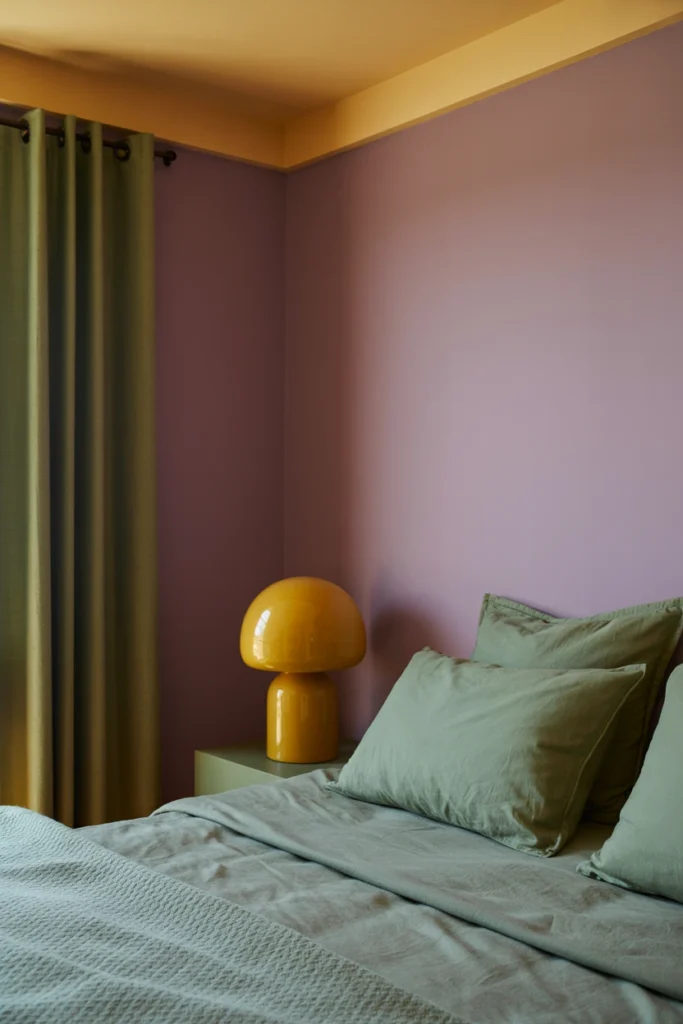
A whimsy room without a locked color story turns into visual noise within a month. Every new pillow, print, or trinket fights the last one instead of building on it, and the room reads as accidental rather than designed. Homeowners who skip this step end up re-buying decor twice, once for the “cute item” and again to fix the clash it created.
Start by picking exactly three colors: one dominant, one secondary, one accent. Use a 60-30-10 ratio — 60% dominant (walls and large furniture), 30% secondary (textiles), 10% accent (small objects) — and write the three hex codes down before shopping. This single rule prevents the single most common whimsy room mistake: a rainbow of good ideas that never cohere into one story.
| Color Role | Example Whimsical Combo | Where It Goes |
| Dominant (60%) | Dusty lavender | Walls, large upholstery |
| Secondary (30%) | Sage green | Curtains, rugs, bedding |
| Accent (10%) | Marigold yellow | Lamps, vases, trim |
| Neutral base | Warm white or cream | Ceiling, trim, backdrop |
2. Anchor the Room With One Statement Piece First
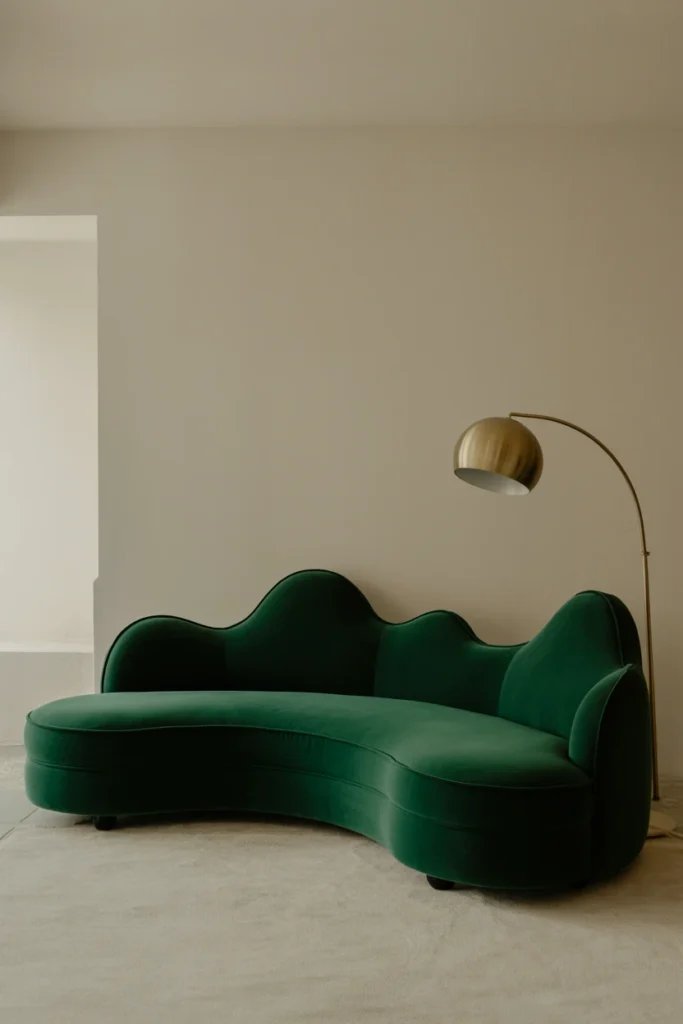
A whimsy room with no anchor piece looks like a collection of small ideas with nothing holding them together. Buying dozens of tiny decor items before choosing one bold centerpiece wastes budget on things that will get rearranged around a decision you haven’t made yet. This single change gives the whole room a visual home base to build outward from.
Choose one item — a curved velvet sofa, a canopy bed frame, or a sculptural pendant light — and select it before anything else in the room. This piece should occupy roughly 40% of the room’s visual weight, meaning every other object gets styled in relation to it. A whimsy room anchored this way completely eliminates the scattered, directionless feeling that undecided rooms create.
| Anchor Piece Type | Best Room | Visual Weight |
| Curved velvet sofa | Living room | High |
| Canopy bed frame | Bedroom | High |
| Sculptural pendant light | Any room, low floor space | Medium |
| Statement armoire | Bedroom or hallway | Medium-high |
3. Set a Pattern Budget of Three Prints Maximum
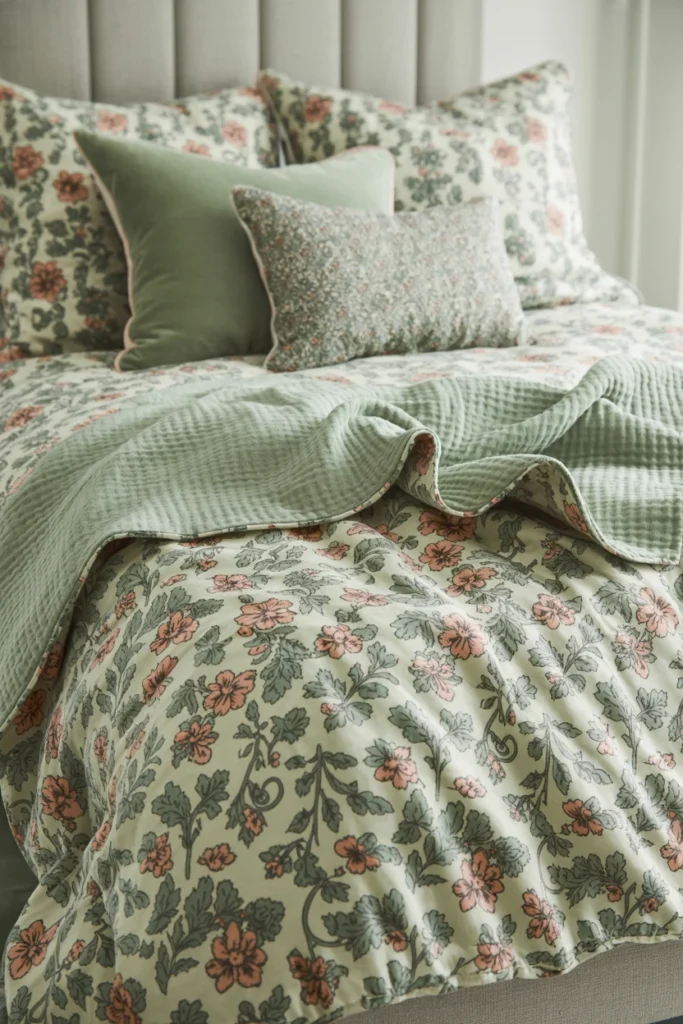
Unlimited pattern mixing is the single most effective way to turn a whimsy room into visual chaos instead of curated charm. Reviewers of failed whimsical spaces consistently point to one issue — too many competing prints with no shared color thread connecting them. A room with six unrelated patterns reads as messy no matter how good each individual print is.
Limit yourself to exactly three patterns per room: one large-scale (florals, stripes), one medium-scale (geometric, gingham), and one small-scale (dots, ditsy print). Each pattern must share at least one color from your locked color story established in Tip 1. This rule transforms clashing prints from a risk into a deliberate, cohesive design tool.
| Pattern Scale | Example | Where to Use It |
| Large-scale | Bold floral | Curtains or accent wall |
| Medium-scale | Block geometric | Throw pillows, rug |
| Small-scale | Ditsy dot print | Lampshade, cushion piping |
| Shared thread | One repeated color | Ties all three together |
4. Establish a Theme Word to Guide Every Decision
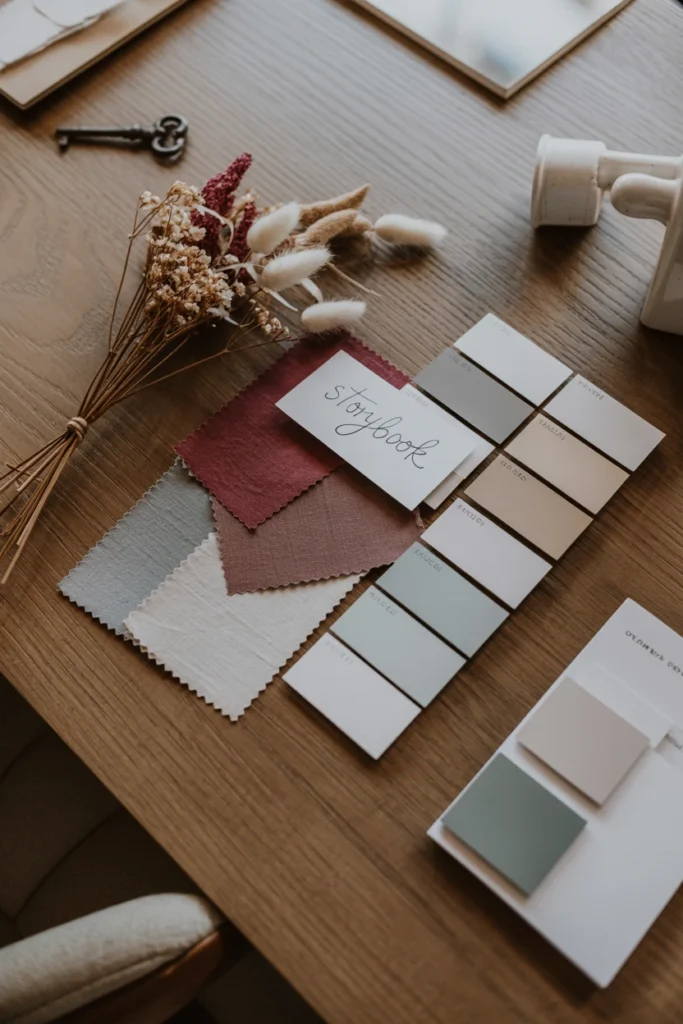
A whimsy room built without a guiding theme collects random cute objects that never add up to a coherent style. Every purchase becomes a gamble instead of a confirmed fit, and the room takes significantly longer to feel finished. Establishing one theme word before shopping cuts decision time on every future purchase by roughly half.
Pick one specific theme word — “storybook,” “circus,” “botanical,” or “celestial” — and test every future item against it before buying. Write this word somewhere visible, like a phone note, and reference it at every store or online cart. A whimsy room with a locked theme word instantly reads as intentional instead of accidental, even to guests who can’t name why.
| Theme Word | Visual Signature | Signature Materials |
| Storybook | Curved lines, soft pastels | Velvet, painted wood |
| Circus | Bold stripes, saturated color | Canvas, brass |
| Botanical | Leaf and floral motifs | Rattan, linen |
| Celestial | Moons, stars, gradients | Metallic, sheer fabric |
Color and Pattern Play for a Playful Palette
Color and pattern do the heaviest lifting in any whimsy room. This section covers exactly how to apply saturated hues, layered prints, and unexpected surfaces without breaking the cohesion built in the foundation steps.
5. Paint One Wall in a Saturated Whimsical Hue
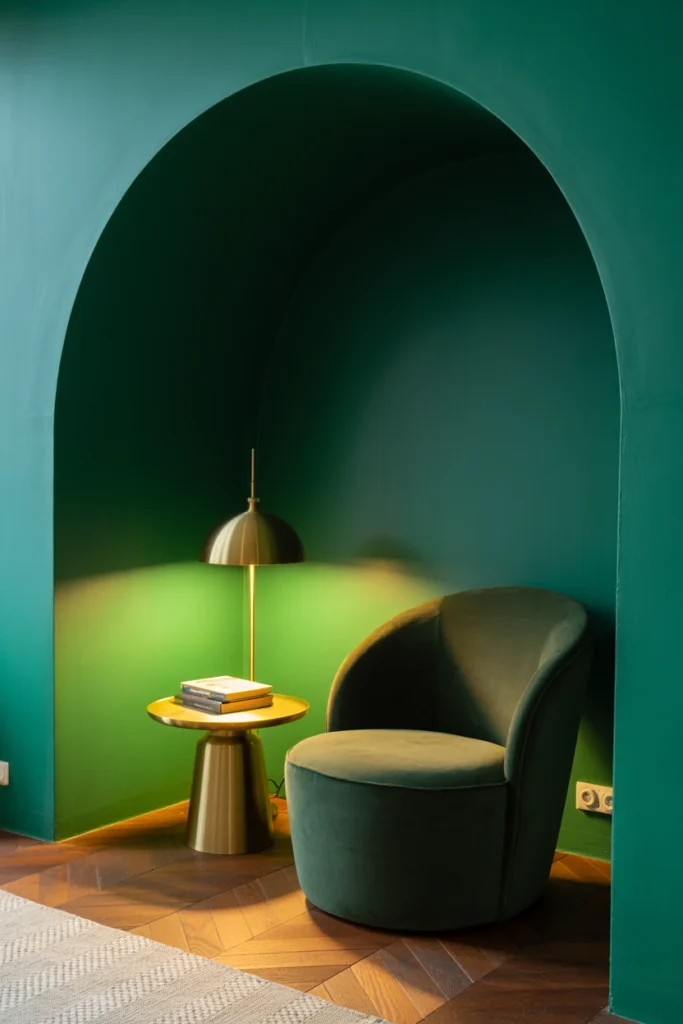
A single white or beige wall reads as safe, not whimsical, no matter what furniture sits in front of it. Homeowners who paint every wall the same neutral color end up relying entirely on decor to create personality, which costs more and works less. A saturated accent wall instantly does 30% of the whimsy work before a single object gets placed.
Choose the wall opposite your room’s main entry point and paint it in your secondary or accent color at full saturation — think emerald green, sapphire blue, or marigold, not a muted version. Use a matte or eggshell finish, since high-gloss paint reads as formal rather than playful. This single wall creates a backdrop so strong it makes even simple furniture look intentionally styled.
| Saturated Hue | Mood Created | Best Paired Metal |
| Emerald green | Cocoon-like, rich | Brass |
| Sapphire blue | Magical, deep | Antique gold |
| Marigold yellow | Cheerful, bright | Black or brass |
| Blush pink | Soft, romantic | Rose gold |
6. Layer Two Clashing Patterns on Soft Furnishings
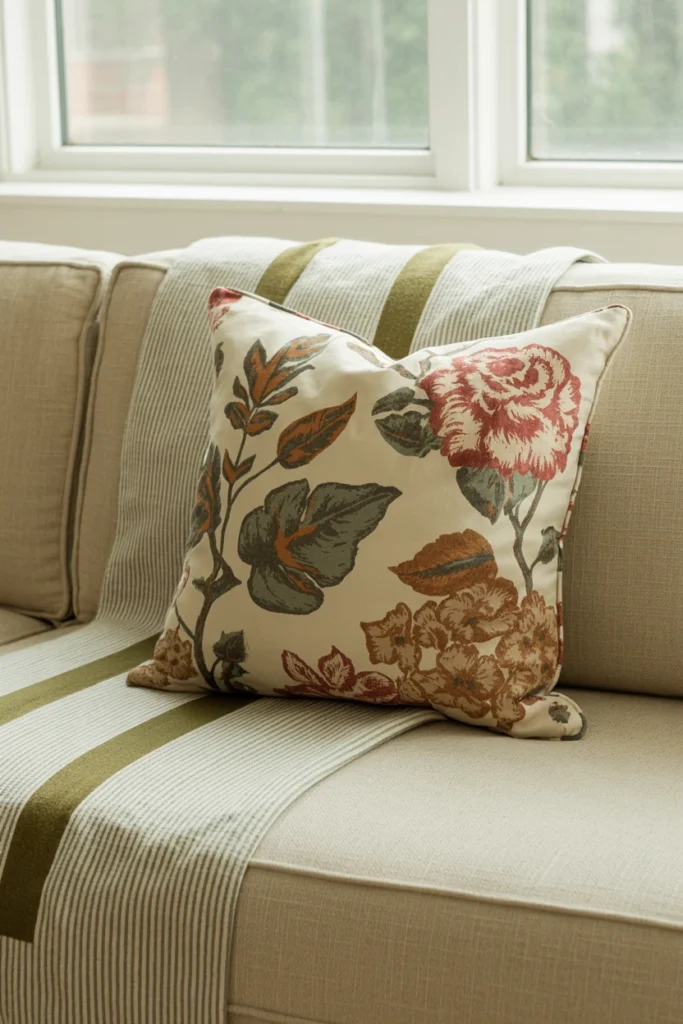
A room with only solid-color textiles reads as calm, not whimsical — softness alone never creates the sense of curated surprise this style depends on. Designers who avoid pattern clashing entirely end up with a “safe” room that guests forget within a day. Two deliberately clashing patterns, layered correctly, become the single fastest way to add personality to a neutral sofa or bed.
Pair a floral cushion with a block-printed or striped throw, making sure both share one color from your locked palette. Place the bolder pattern closer to eye level and the smaller-scale one lower or further back, following a simple large-to-small visual hierarchy. This contrast instantly lifts an otherwise plain seating area into a genuinely styled vignette.
| Pattern Pair | Shared Color Link | Placement |
| Floral + stripe | Sage green | Cushion + throw |
| Gingham + dot | Marigold yellow | Chair seat + pillow piping |
| Geometric + botanical | Dusty lavender | Rug + curtain |
| Ikat + solid velvet | Rust orange | Ottoman + accent chair |
7. Add a Ceiling Color to Complete the Whimsy Room
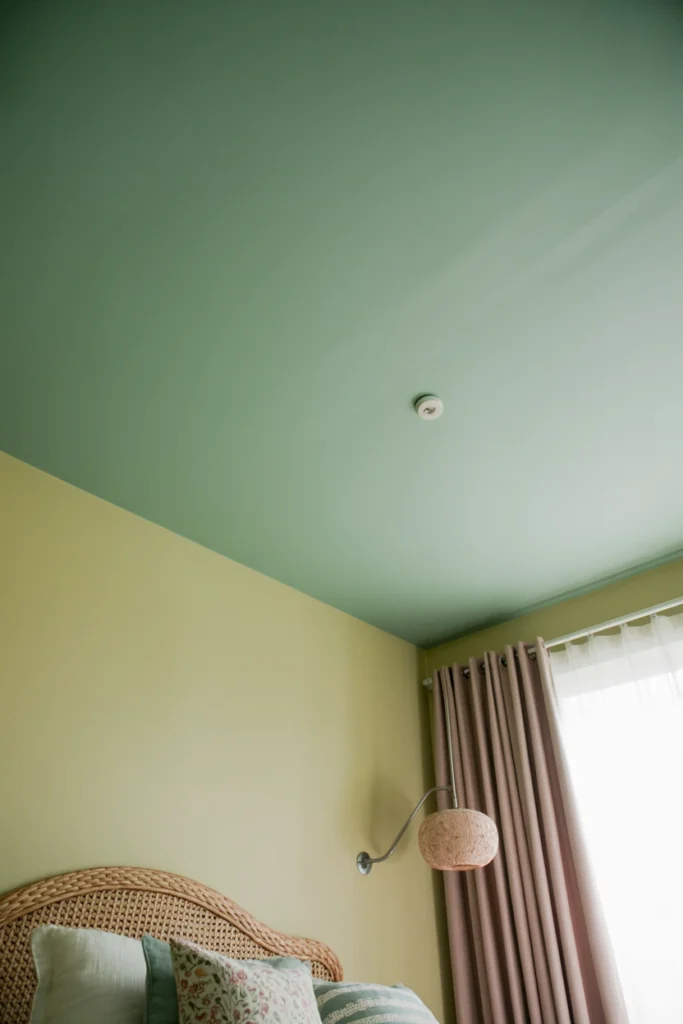
An unpainted white ceiling caps off an otherwise whimsical room with a flat, unfinished edge. This overlooked surface represents roughly 15% of a room’s total visible area, yet almost never gets styled, leaving a visual gap at the top of every photo and every glance upward. Leaving it untouched wastes one of the largest color opportunities in the entire space.
Paint the ceiling in a lighter tint of your dominant wall color — roughly 20% lighter — rather than stark white, using the same finish as your walls for consistency. In smaller rooms under 120 square feet, a painted ceiling visually raises the room by drawing the eye upward instead of stopping it at the wall line. This single detail is the difference reviewers consistently point to between a “nice room” and a “magical room.”
| Ceiling Approach | Effect | Best Room Size |
| 20% lighter tint of wall color | Cohesive, soft glow | Any size |
| Same color as walls, full saturation | Cocoon effect | Under 120 sq ft |
| Painted trim only, white ceiling | Subtle whimsy | Rentals, low commitment |
| Celestial mural or wallpaper | Dramatic focal point | Bedrooms, nurseries |
8. Mix Vintage Florals With a Modern Geometric Print
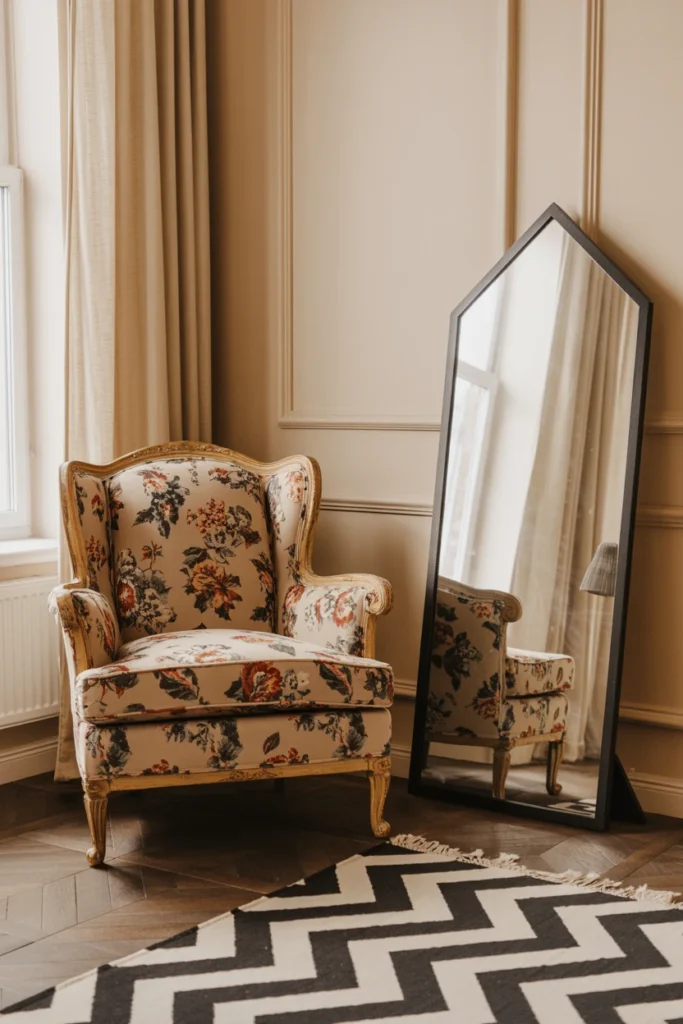
A whimsy room built entirely from vintage prints reads as costume rather than lived-in style, while an entirely modern room misses the nostalgic charm the aesthetic depends on. This one-note approach costs the room the “collected over time” feeling that defines authentic whimsy. Mixing eras deliberately fixes both problems at once.
Source one vintage-style floral piece — a curtain panel, an armchair, or wallpaper remnant — and pair it directly against one modern geometric object, like a chevron rug or a hexagonal mirror frame. Place them within the same sightline, ideally within six feet of each other, so the eye registers the contrast immediately. The unexpected pairing eliminates the “matched furniture set” look and replaces it with genuine, collected character.
| Vintage Element | Modern Pairing | Distance Apart |
| Floral armchair | Geometric rug | Under 6 feet |
| Rose-print curtains | Hexagonal mirror | Same wall |
| Antique lampshade | Chevron throw pillow | Same surface |
| Chintz wallpaper remnant | Minimalist black frame | Direct overlap |
9. Use Peel-and-Stick Wallpaper on a Single Accent Wall
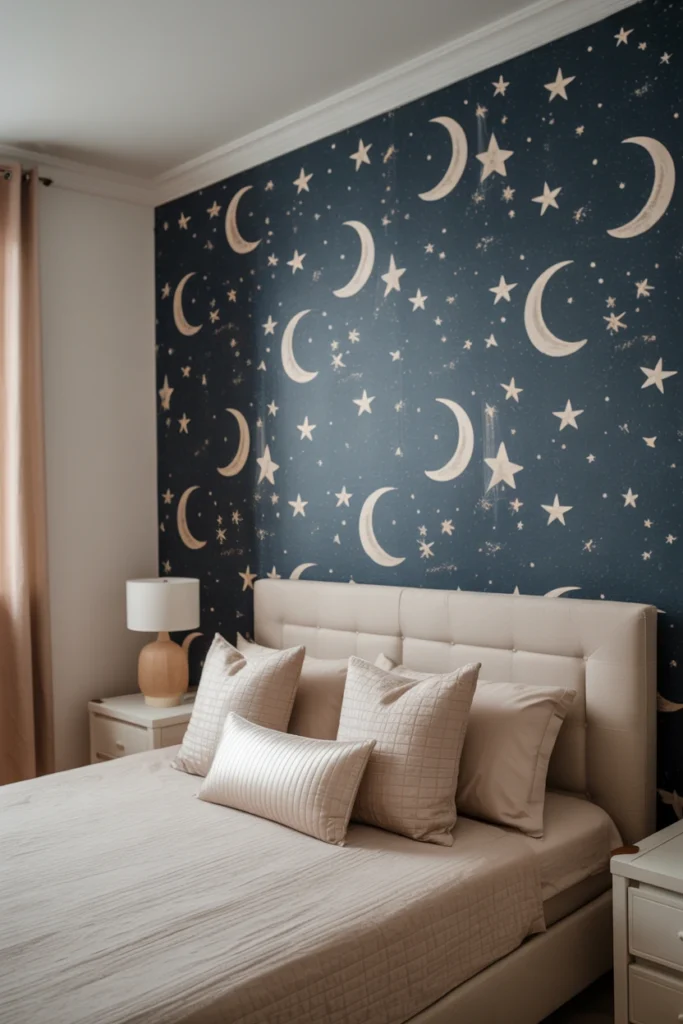
Committed painters and renters alike lose whimsical opportunities by assuming wallpaper requires a permanent, expensive installation. This assumption alone eliminates one of the highest-impact tools in whimsical design — patterned wallpaper — from an entire category of homes. Skipping wallpaper because of commitment fear costs the room its most detailed, storybook-level surface.
Apply peel-and-stick wallpaper with a celestial, botanical, or scallop print to one accent wall only, smoothing from the center outward to avoid bubbles. Measure the wall first and order 10% extra material to cover pattern-matching waste at the seams. This single reversible change delivers the same visual impact as a $2,000 mural for a fraction of the cost and zero permanent commitment.
| Wallpaper Style | Best Whimsy Theme | Renter-Friendly |
| Celestial print | Circus, dreamy | Yes |
| Botanical leaf | Storybook | Yes |
| Scalloped stripe | Coastal whimsy | Yes |
| Mural-style panorama | Statement bedroom | Yes, with care |
Whimsical Furniture and Statement Pieces
Furniture carries the structural personality of a whimsy room. This section covers the specific shapes, materials, and single pieces that separate a genuinely whimsical space from one that only has whimsical accessories.
10. Choose Furniture With Curved or Scalloped Edges
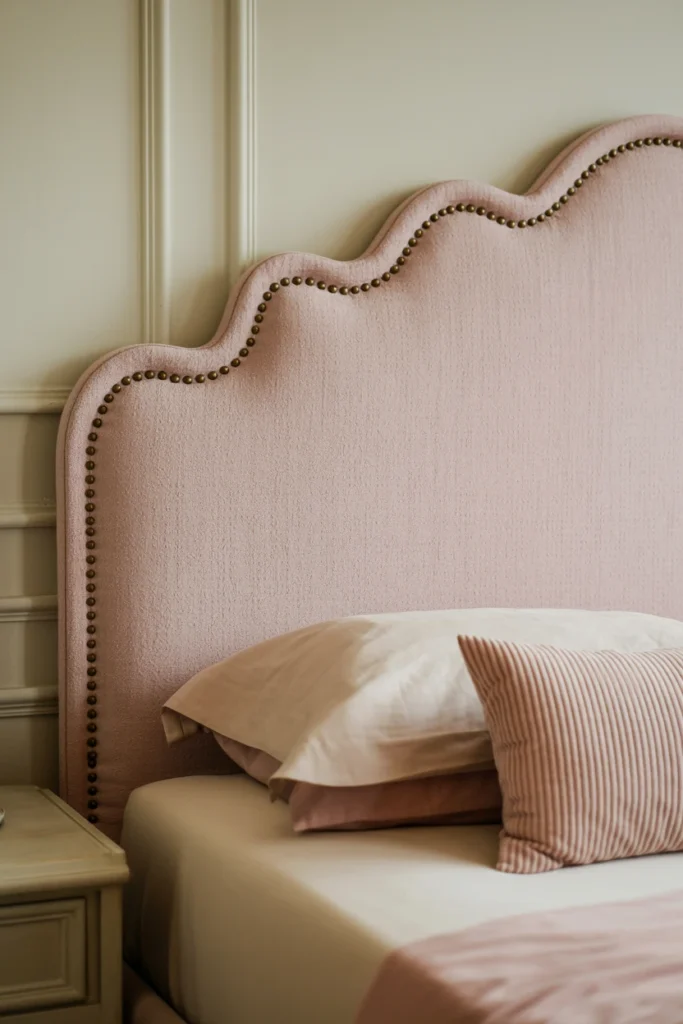
Straight-edged, boxy furniture reads as corporate or minimalist, directly working against the softness whimsy depends on. A room full of 90-degree angles feels rigid no matter what color or pattern surrounds it, and this structural mismatch undermines every other whimsical choice you make. Curved silhouettes fix this at the furniture level, before decor even enters the room.
Replace at least one major piece — a sofa, headboard, or side table — with a version that has scalloped, curved, or rounded edges instead of straight lines. Look specifically for arched backs, cloud-shaped arms, or bean-shaped tabletops when shopping secondhand or new. This single silhouette shift softens the entire room’s geometry and makes every straight-edged piece around it feel more intentional by contrast.
| Furniture Type | Curved Option | Straight-Edge Cost |
| Sofa | Cloud or curved-arm | Reads corporate |
| Headboard | Scalloped or arched | Reads generic |
| Side table | Bean or kidney shape | Reads flat |
| Mirror frame | Arched or wavy | Reads sterile |
11. Install a Canopy Frame Over a Reading Nook
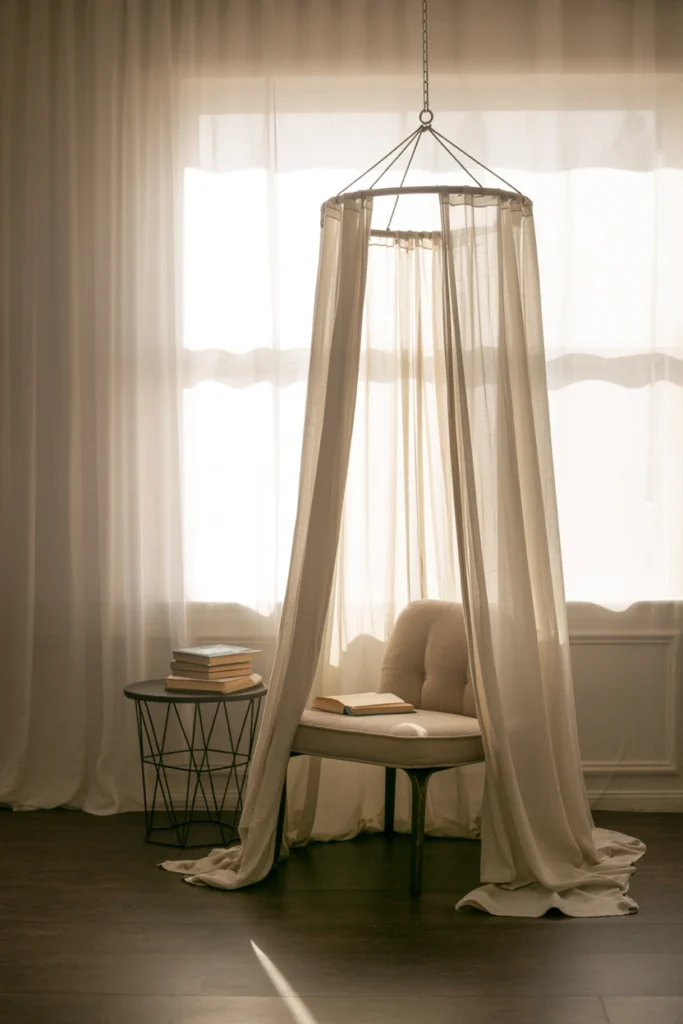
A reading nook without any overhead structure reads as an afterthought corner rather than a designed destination within the room. Flat, uncovered seating areas get skipped over visually, even when the chair and lighting are genuinely nice. This missing vertical element costs the nook its storybook quality entirely.
Mount a simple canopy frame — metal hoop or wood dowel — above a chair or daybed, then drape sheer or gauzy fabric loosely rather than pulling it taut. Position the frame roughly 18–24 inches above head height when seated, leaving enough drape to puddle slightly at the floor. This single addition turns an ordinary corner chair into the room’s most photographed spot.
| Canopy Frame Type | Fabric Weight | Mount Height Above Head |
| Metal hoop | Sheer voile | 18–24 inches |
| Wood dowel | Gauzy cotton | 18–24 inches |
| Four-post frame | Medium linen | 24–30 inches |
| Ceiling-mounted single point | Sheer, layered | 24 inches |
12. Hang a Quirky Pendant Light as the Room’s Focal Point
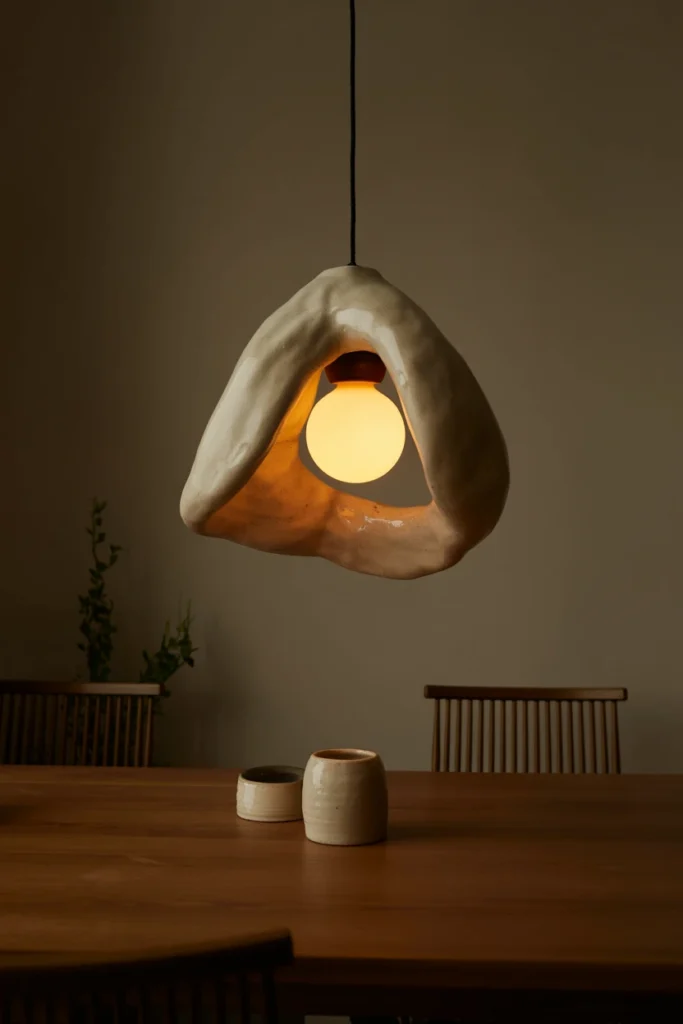
Standard flush-mount ceiling fixtures do nothing to signal a whimsy room, no matter how much personality exists at floor level. Lighting represents one of the few elements a guest notices within the first three seconds of entering a room, and a generic fixture wastes that window completely. Skipping a statement light source leaves the room’s tallest visual point empty.
Replace the main ceiling fixture with a sculptural pendant — a hand-shaped ceramic form, a cluster of glass globes, or a colored glass shade — hung at 30–36 inches above a table or 7 feet from the floor in open areas. Choose one with a visible, non-standard silhouette rather than a simple drum shade. This single fixture change does more to signal “whimsy room” in the first glance than almost any other single object.
| Pendant Style | Hang Height (open area) | Best Room |
| Ceramic cluster shade | 7 feet from floor | Living room |
| Colored glass globe | 30 inches above table | Dining nook |
| Rattan woven pendant | 7 feet from floor | Bedroom |
| Sculptural mixed-media | 6.5–7 feet from floor | Entryway |
13. Upcycle a Thrifted Dresser With Bold Paint and Hardware
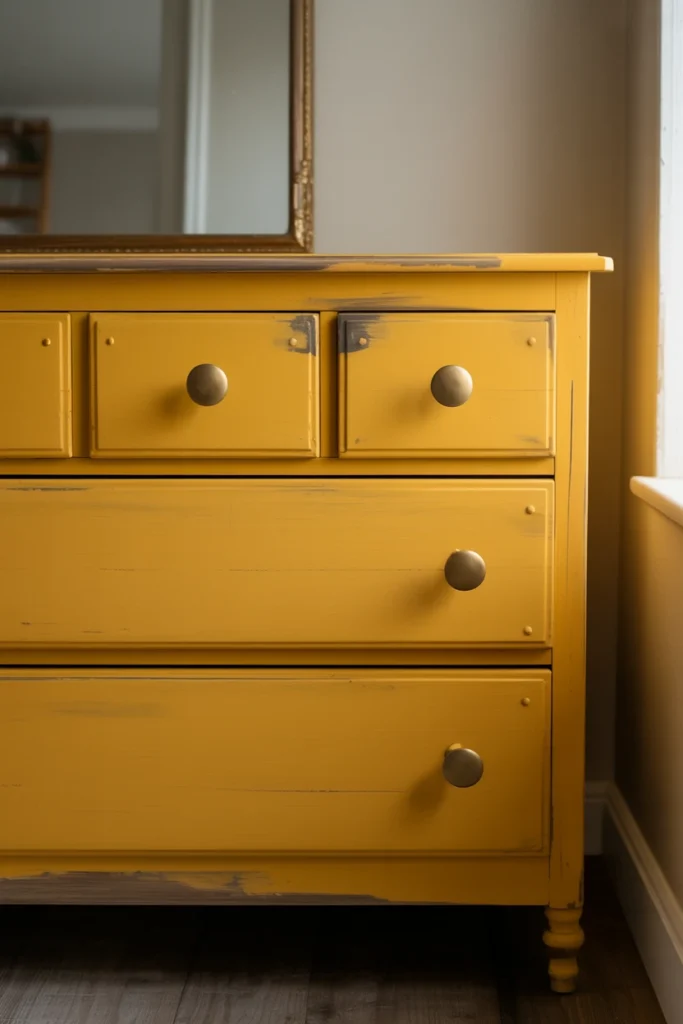
Buying only new, uniform furniture strips a whimsy room of the collected, “found treasure” quality that makes the style feel personal instead of showroom-staged. New furniture sets, purchased all at once from one store, actively work against the eclectic character whimsical design is built on. This mismatch costs the room its most authentic, story-driven pieces.
Source a solid-wood dresser secondhand, sand any glossy top coat, then paint it in your accent color using two coats of chalk or mineral paint. Swap the existing hardware for oversized brass knobs or colorful ceramic pulls, spaced to match the original drawer holes. This single upcycled piece brings more personality to a room than three new, matching furniture items combined.
| Upcycle Step | Material/Product | Detail |
| Sand surface | 120-grit sandpaper | Removes gloss coat |
| Paint | Chalk or mineral paint | Two coats, accent color |
| Hardware swap | Brass or ceramic pulls | Match existing hole spacing |
| Seal | Matte topcoat | Protects daily-use surfaces |
14. Add a Velvet Accent Chair in an Unexpected Color
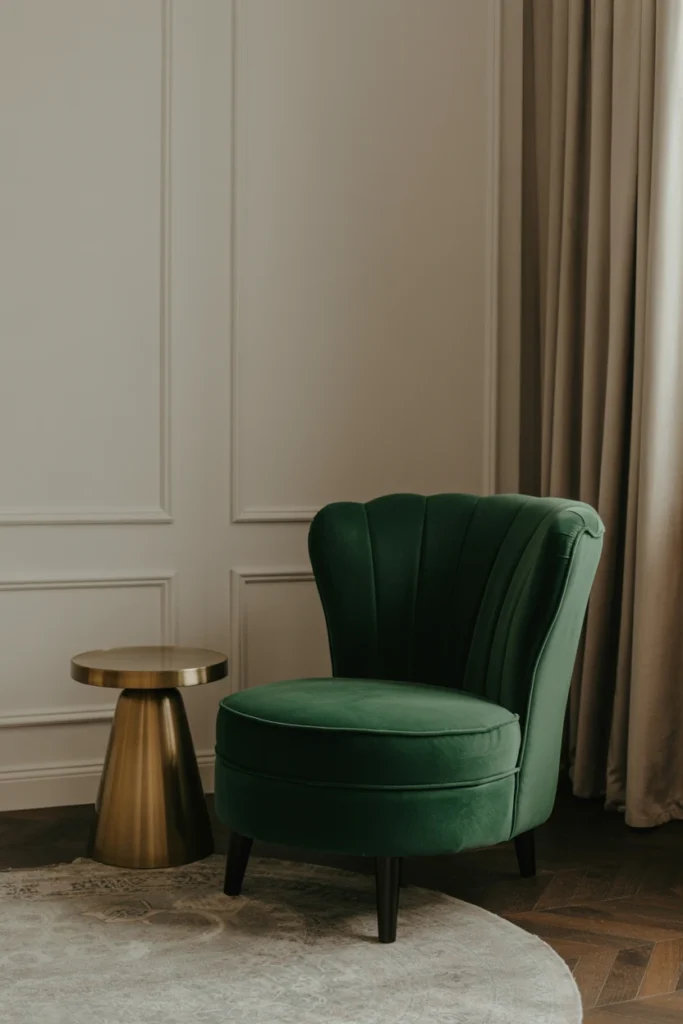
A neutral-only seating area misses the single fastest texture-and-color combination available in whimsical design. Velvet in a saturated, unexpected shade does more visual work per square foot than almost any other furniture choice, yet it gets skipped in favor of safer beige or gray options. This safe choice costs the room its richest, most tactile focal point.
Choose one accent chair upholstered in velvet, in a color one shade bolder than you’d normally pick — think emerald, plum, or burnt orange rather than navy or gray. Place it at an angle to the room’s main sightline rather than flush against a wall, so its curved silhouette and color both register immediately. This single chair regularly becomes the piece guests ask about first.
| Velvet Color | Pairs Best With | Placement Angle |
| Emerald green | Brass, blush accents | 15–30 degrees off wall |
| Plum purple | Gold, sage green | 15–30 degrees off wall |
| Burnt orange | Cream, navy | 15–30 degrees off wall |
| Mustard yellow | Charcoal, terracotta | 15–30 degrees off wall |
Styling and Finishing Touches for Whimsy Room Charm
Furniture and color set the frame, but styling details finish the story. This section covers the small, layered touches that make a whimsy room look curated rather than simply decorated.
15. Group Miniature Treasures on a Floating Shelf
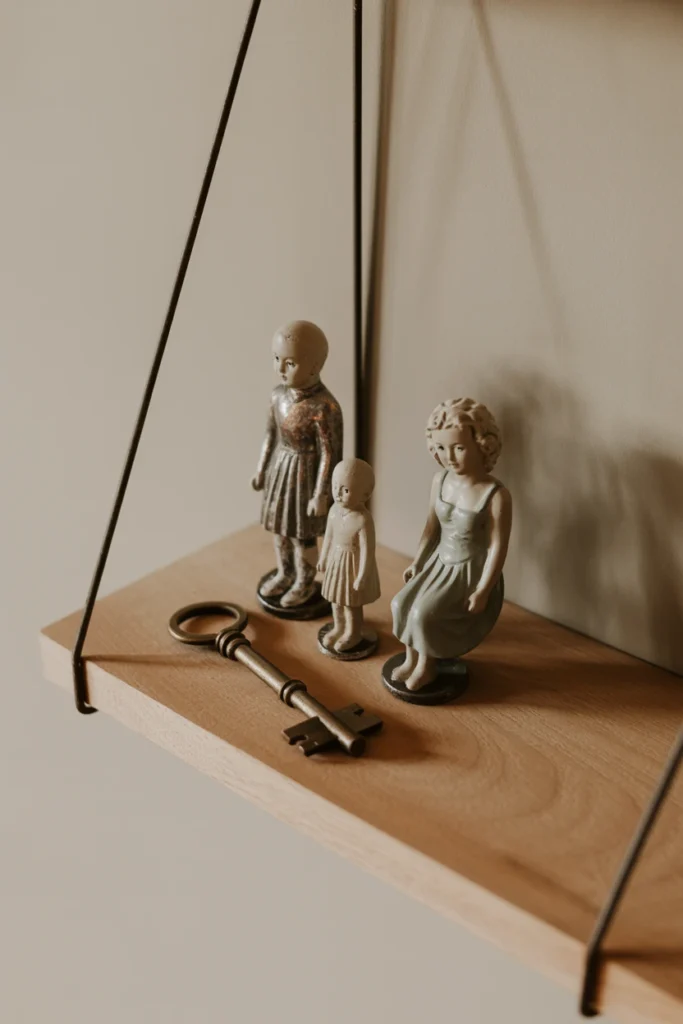
Small collected objects scattered across multiple surfaces read as clutter instead of curation, no matter how charming each individual piece is. A vintage key here, a music box there, spread across the entire room, never builds the “collected story” effect whimsy depends on. This scattered placement wastes the storytelling potential of every small object you own.
Mount one floating shelf and group miniature figurines, old keys, or music boxes together in odd numbers — sets of three or five — rather than pairs. Vary the height of each item slightly, placing the tallest piece off-center rather than in the exact middle. This single grouping turns a random collection of trinkets into a legible, intentional vignette.
| Grouping Rule | Why It Works | Object Count |
| Odd numbers | Reads as collected, not staged | 3 or 5 |
| Varied height | Creates visual rhythm | Tallest off-center |
| Shared material | Ties objects together | Mix of 2 materials max |
| Negative space | Prevents clutter | 30% shelf left empty |
16. Layer Three Textures on Every Soft Surface
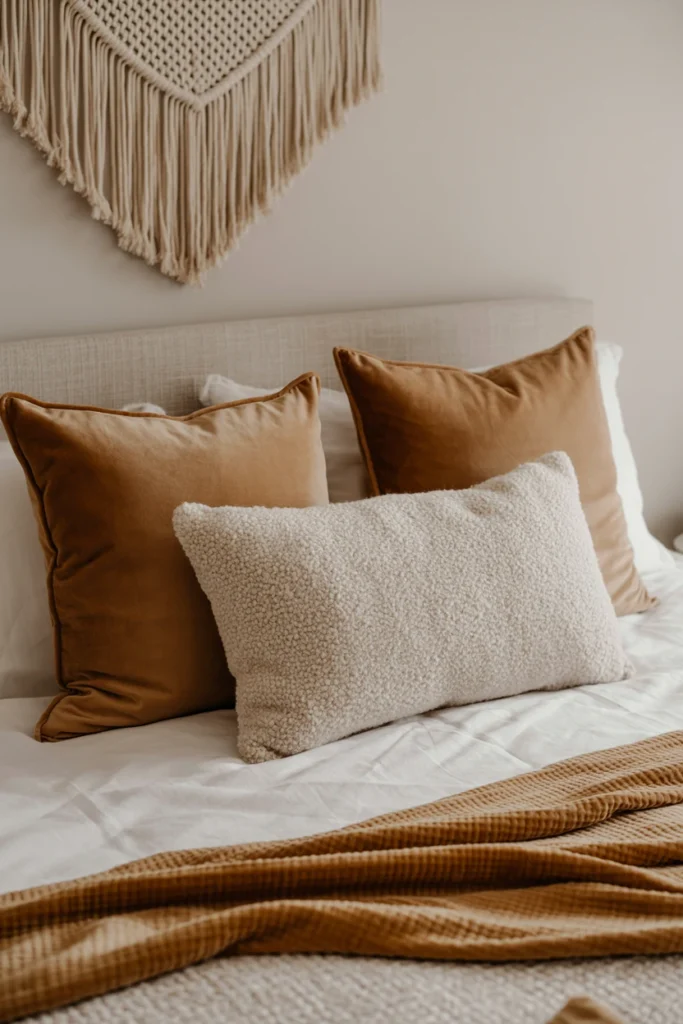
A room with only one fabric texture — all cotton, or all velvet — reads as flat even when the color palette is genuinely whimsical. Texture does the tactile work that color and pattern can’t do alone, and skipping it leaves the room visually interesting but physically uninviting. This missing layer is why some colorful rooms still feel cold.
Combine exactly three textures on every major soft surface: one smooth (velvet, silk), one nubby (bouclé, chenille), and one woven (rattan, jute, macramé). Apply this rule to beds, sofas, and seating nooks alike, rotating which texture dominates each surface. This layering creates the tactile richness that photographs describe as “cozy, part sanctuary, part dreamy escape.”
| Texture Type | Example Material | Where to Apply |
| Smooth | Velvet, silk | Throw pillow, headboard |
| Nubby | Bouclé, chenille | Accent chair, ottoman |
| Woven | Rattan, jute, macramé | Wall hanging, pendant shade |
| Base layer | Cotton or linen | Bedding, curtain base |
17. Hang Fairy Lights Along a Window Frame
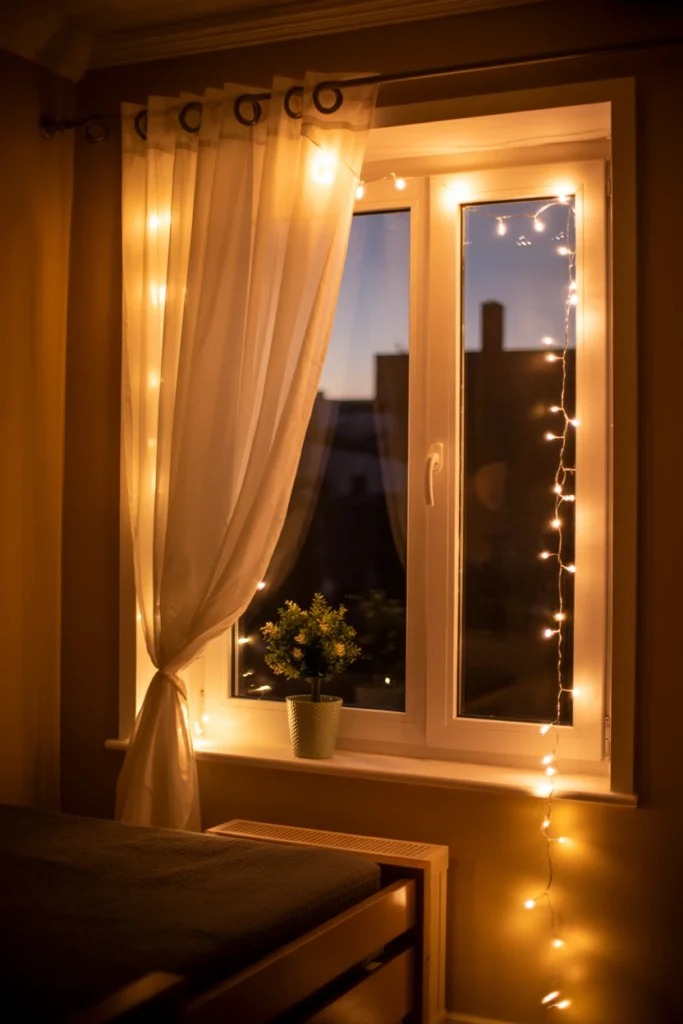
Overhead lighting alone leaves a whimsy room fully lit but emotionally flat once the sun goes down. A single bright ceiling fixture creates function without atmosphere, and this gap between daytime and nighttime mood undercuts the dreamy quality whimsical rooms rely on. Skipping secondary lighting costs the room half its charm after dark.
Drape warm-white fairy lights around a window frame or across a bookshelf, using battery-operated or USB strands with at least 100 individual bulbs for a full look. Tuck the wire behind curtain rods or shelf edges so only the light itself is visible, not the cord. This single addition turns ordinary evening hours into the room’s most magical time of day.
| Fairy Light Type | Bulb Count | Best Placement |
| Warm-white micro LED | 100+ bulbs | Window frame |
| Copper wire string | 50–100 bulbs | Bookshelf, mirror edge |
| Globe-style string | 20–30 bulbs | Canopy frame |
| Curtain-style drop lights | 200+ bulbs | Full accent wall |
18. Style a Gallery Wall of Mismatched Frames
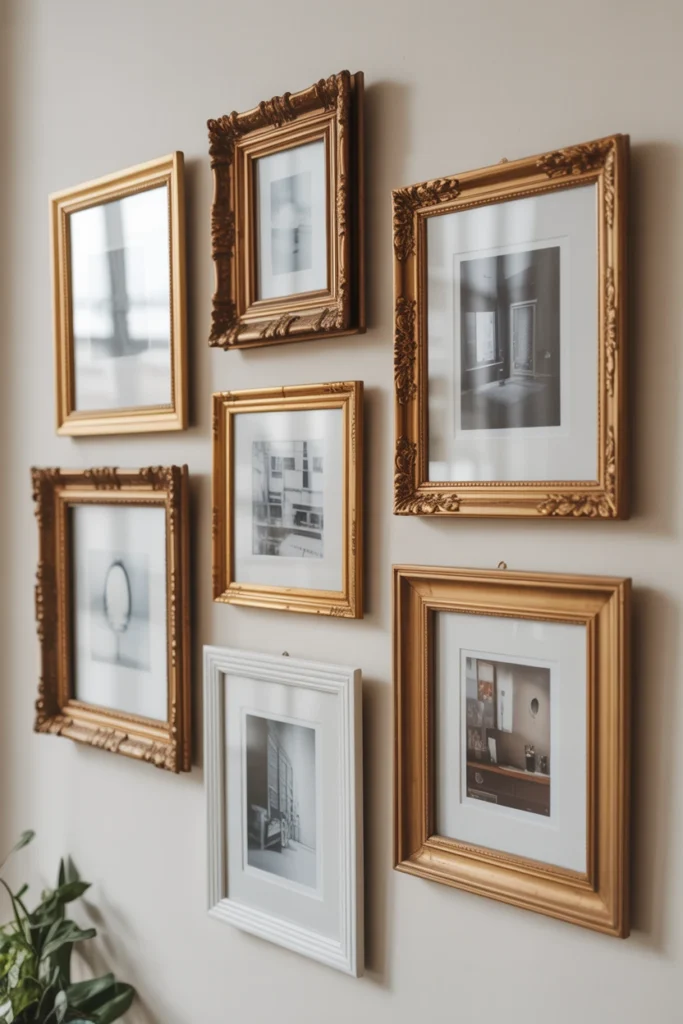
A single large piece of art fills wall space but skips the layered, storybook detail that defines whimsy room styling. One frame, however nice, reads as decoration rather than personality, and it leaves the surrounding wall visually empty. This missed opportunity costs the room one of its easiest personality wins.
Assemble 7–9 frames in mismatched styles and finishes — gold, painted wood, thrifted brass — and arrange them in a loose grid rather than a rigid symmetrical pattern. Keep frame edges 2–3 inches apart and vary the artwork between illustrations, mirrors, and small shelves for dimension. This single wall becomes the room’s most detailed, most-discussed feature within the first week of installation.
| Gallery Element | Quantity | Spacing |
| Mismatched frames | 7–9 total | 2–3 inches apart |
| Mixed media (art + mirror) | At least 1 mirror | Anywhere in grid |
| Small shelf insert | 1 optional | Bottom row |
| Frame finishes | 3 different finishes | Distributed evenly |
19. Place a Cloud or Celestial Motif Above the Bed
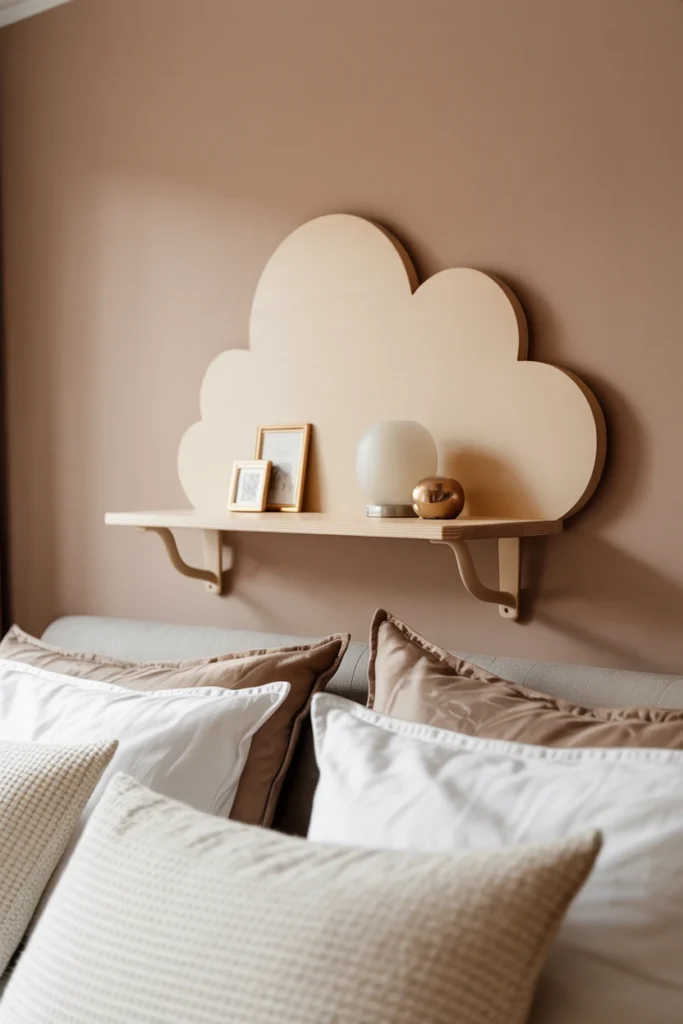
An empty wall above the bed wastes the single largest, most visible surface in a bedroom-based whimsy room. This blank space sits directly in the sightline of anyone entering the room, yet it’s frequently left untouched while smaller surfaces get all the styling attention. Leaving it bare undercuts the dreamy, storybook quality the rest of the room works to build.
Install a cloud-shaped shelf, celestial wall decal, or a soft sculptural moon light directly centered above the headboard, sized to span roughly 60–70% of the headboard’s width. Keep the motif in your locked accent color rather than introducing a new one at this stage. This single focal point completes the bedroom’s visual story from the very first glance through the doorway.
| Motif Type | Width vs. Headboard | Material |
| Cloud-shaped shelf | 60–70% | Painted wood |
| Celestial wall decal | Full width | Vinyl, removable |
| Sculptural moon light | 30–40%, centered | Wood or paper |
| Star garland | Full width, draped | Fabric or paper |
Maintenance and Long-Term Whimsy Room Habits
A whimsy room needs consistent small habits to stay fresh instead of dated or overcrowded. This section covers the rotation and upkeep routines that keep the look feeling current for years, not just for its first photo.
20. Rotate Small Decor Pieces Every Season
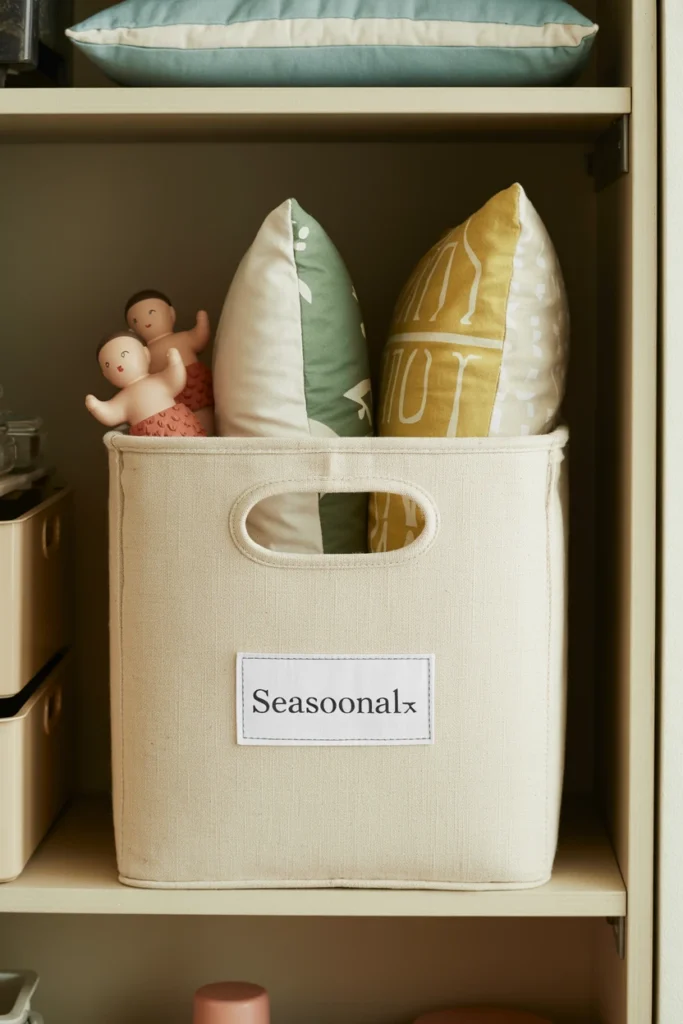
A whimsy room styled once and never touched again starts to feel stale within six months, even though nothing about it has technically gone wrong. Static decor loses its ability to surprise, which is the exact quality that made the room feel whimsical in the first place. Skipping rotation slowly drains the room of its original charm.
Store one-quarter of your small decor objects — figurines, cushions, table linens — in a labeled bin, and swap them with the displayed set every three months. Align each rotation loosely with the season, bringing in warmer materials in fall and lighter pastels in spring. This single habit keeps the room feeling actively curated instead of permanently finished.
| Rotation Schedule | Items to Swap | Seasonal Direction |
| Every 3 months | Cushions, table linens | Match season’s palette |
| Every 3 months | Small figurines, vases | Swap 25% of display |
| Twice yearly | Wall art, mirrors | Spring/fall swap |
| Yearly | Rugs, large textiles | Refresh only if worn |
21. Limit New Additions to One Item Per Month

Unrestricted, ongoing purchasing is the single most common reason a whimsy room eventually tips into overcrowded clutter. Each new “cute find” seems harmless individually, but the cumulative effect after a year of unlimited buying overwhelms the negative space that made the room feel curated. This habit quietly undoes months of careful styling.
Set a hard limit of one new decor item per month, and require it to replace or complement an existing piece rather than simply adding to the total count. Photograph the room before each new purchase and compare it after, checking that visible surface space hasn’t dropped below 20%. This single constraint keeps a whimsy room permanently on the right side of curated versus cluttered.
| Monthly Habit | Rule | Check Before Buying |
| One new item max | Per calendar month | Does it replace something? |
| Surface space check | Keep 20% minimum visible | Photograph before/after |
| Theme word test | From Tip 4 | Does it match the theme? |
| Color story test | From Tip 1 | Uses one of 3 locked colors? |
22. Dust Textured and Layered Surfaces Weekly
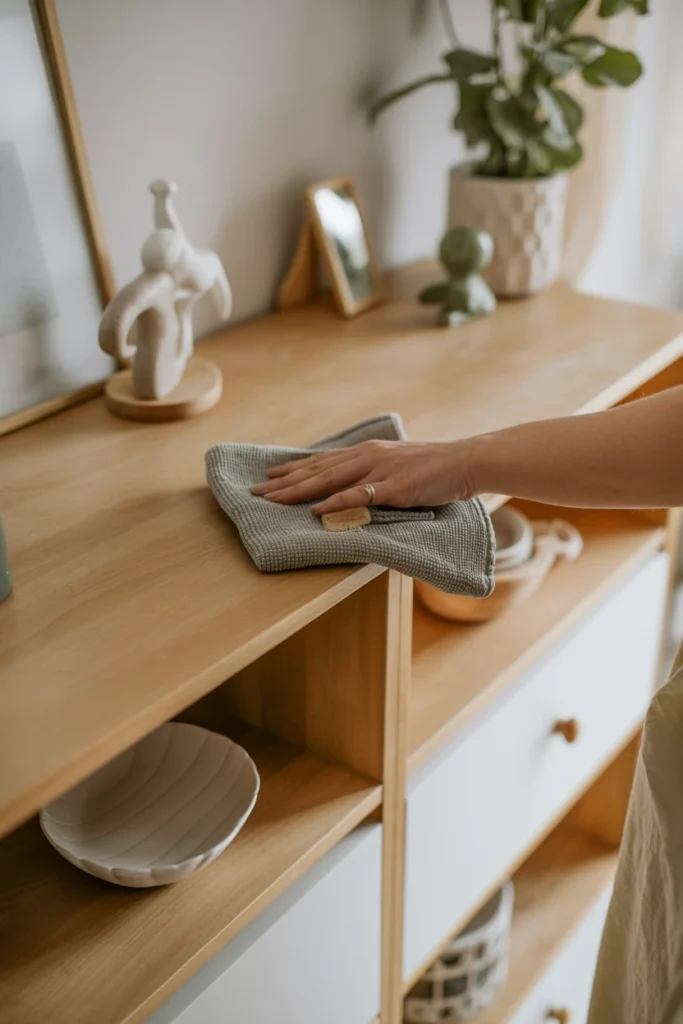
Layered textures and open shelving — the exact elements that make a whimsy room feel rich — also collect dust faster than a minimalist space with flat, closed surfaces. Neglecting this reality lets a genuinely beautiful room start to look tired and dull within a matter of weeks. The very details that create charm are the ones that need the most upkeep.
Dust open shelves, textured textiles, and pendant light fixtures once a week using a soft microfiber cloth or a small handheld duster for tight corners. Rotate figurines slightly during dusting rather than just wiping around them, which also refreshes the vignette’s arrangement. This single weekly habit keeps every layered detail looking as crisp as the day it was styled.
| Surface Type | Tool | Frequency |
| Open shelves | Microfiber cloth | Weekly |
| Textured textiles | Handheld fabric brush | Weekly |
| Pendant fixtures | Extendable duster | Bi-weekly |
| Gallery wall frames | Dry microfiber cloth | Monthly |
23. Replace Faded Textiles Before They Dull the Palette
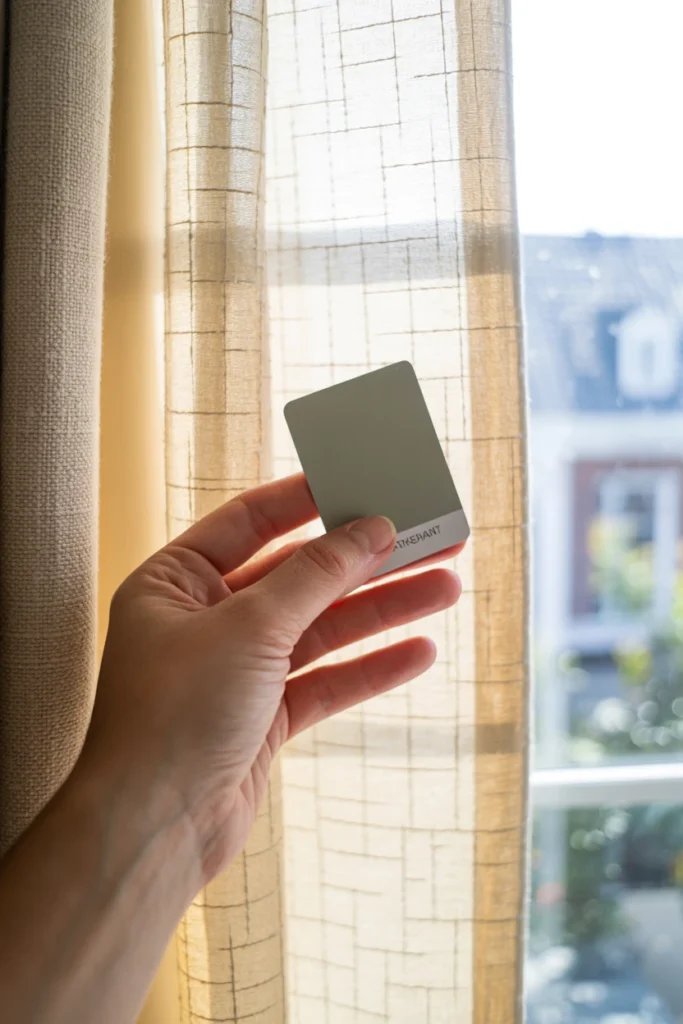
A single faded cushion or sun-bleached curtain quietly pulls the entire locked color story off balance, even while every other element stays intact. Fabric fade happens gradually enough that most homeowners don’t notice until the mismatch is already obvious against newer pieces. Waiting too long to replace faded textiles costs the room its color cohesion from Tip 1.
Check your three most sun-exposed textiles every six months against a stored fabric swatch or paint chip from your original color story. Replace any piece that has visibly shifted more than one shade lighter, prioritizing curtains and cushion covers over rugs, which fade more slowly. This simple check keeps your whimsy room’s palette as sharp as its first day years into ownership.
| Textile Type | Fade Check Frequency | Replace Priority |
| Curtains (sun-facing) | Every 6 months | High |
| Cushion covers | Every 6 months | High |
| Upholstered chair fabric | Yearly | Medium |
| Rugs | Yearly | Low |
24. Switch Out Throw Pillow Covers Twice a Year
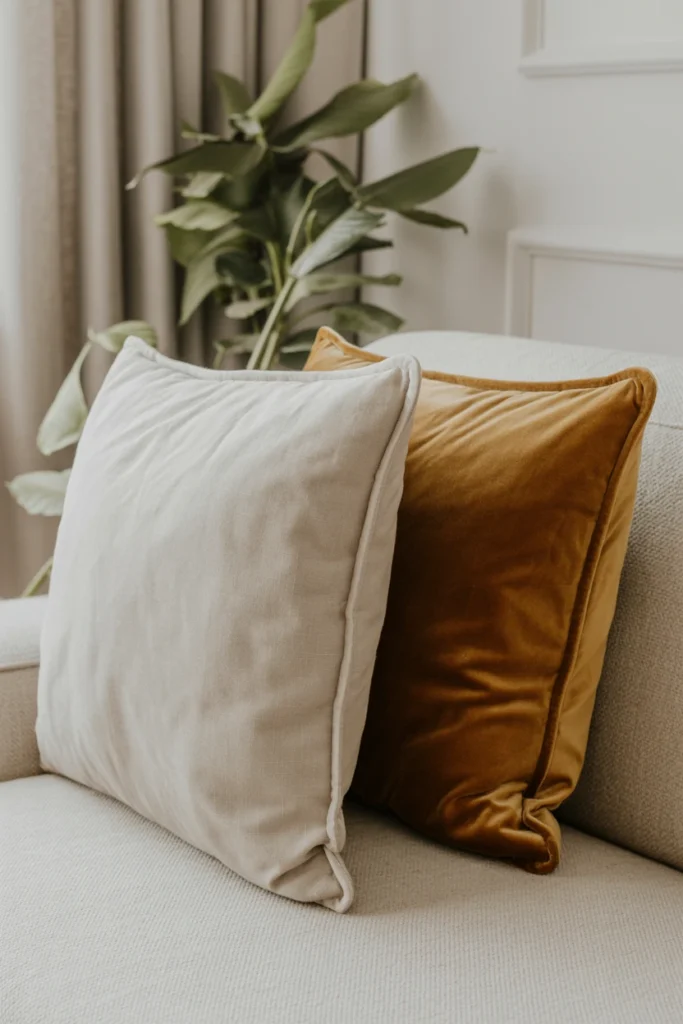
Fixed, never-changing throw pillows lock a whimsy room’s most flexible styling element into a single permanent look, wasting one of the cheapest refresh tools available. Pillow covers cost a fraction of new furniture, yet most homeowners never take advantage of how much visual change they can create. Leaving them static all year skips an easy, low-cost refresh opportunity.
Buy two sets of pillow covers in your locked color palette — one in lighter, warm-weather fabrics like linen and one in richer, cool-weather fabrics like velvet — and swap them every six months. Keep the same pillow inserts underneath to avoid unnecessary replacement cost. This single swap refreshes the room’s entire seating area for less than the price of one new chair.
| Pillow Set | Fabric | Swap Season |
| Warm-weather set | Linen, cotton | Spring/summer |
| Cool-weather set | Velvet, bouclé | Fall/winter |
| Shared inserts | Down or poly-fill | Reused year-round |
| Cover count | 4–6 covers per set | Full seating refresh |
Common Whimsy Room Mistakes That Kill the Charm
These eight mistakes appear most often in whimsy rooms that don’t quite work. Each one has a specific, low-effort fix that restores the room’s intended charm.
| Mistake | Why It Hurts the Space | Better Alternative |
| Using more than 3 colors | Creates visual noise, no cohesion | Lock a 3-color story (Tip 1) |
| Buying decor with no anchor piece | Room feels scattered, directionless | Choose one statement piece first (Tip 2) |
| Mixing more than 3 patterns | Reads as cluttered, not curated | Cap patterns at 3 scales (Tip 3) |
| Leaving the ceiling unpainted | Wastes 15% of visible room color | Paint a lighter tint (Tip 7) |
| Buying an entirely new furniture set | Loses the collected, personal feel | Mix in one thrifted piece (Tip 13) |
| Skipping secondary lighting | Room goes flat after dark | Add fairy lights or a statement pendant |
| Displaying every trinket at once | Surfaces read as cluttered | Rotate seasonally, keep 20% space open |
| Choosing only flat, matte textures | Room feels visually cold | Layer 3 textures per surface (Tip 16) |
Whimsy Room Ideas by Space and Situation
Small Bedroom
A small bedroom under 120 square feet needs every whimsical choice to also solve a space constraint. The core challenge here is adding personality without eating up already-limited floor space.
Key strategies for small bedrooms:
- Mount floating shelves instead of freestanding furniture to keep the floor clear
- Choose a canopy frame that attaches directly to the ceiling rather than a floor-standing four-post structure
- Paint the ceiling in a lighter tint to visually raise a low room
- Use a single oversized gallery wall instead of scattering small art around multiple walls
- Select furniture with exposed, slim legs to keep sightlines open across the room
Rental Apartment
Renters need whimsy that reverses cleanly at move-out without forfeiting a security deposit. The core constraint is committing to nothing that requires drilling, painting over, or permanent alteration.
Key strategies for rental apartments:
- Use peel-and-stick wallpaper instead of paint for accent walls
- Choose tension rods and removable hooks for canopy frames and curtains
- Bring in a bold rug instead of painting the floor for a color statement
- Rely on furniture and lighting for personality rather than wall alterations
- Photograph every original fixture before making changes to track what needs reversing
Living Room
A living room carries more foot traffic and guest visibility than any other room, so whimsical choices here need to hold up to daily use. The core challenge is balancing durability with playful detail.
Key strategies for living rooms:
- Choose performance velvet or stain-resistant fabric for the anchor sofa or chair
- Keep the coffee table surface clear enough for daily function, styling only the edges
- Place breakable trinkets on higher shelves, away from regular seating traffic
- Layer a durable jute or wool rug as the base before adding smaller decorative rugs
- Reserve the boldest wallpaper or paint for a wall away from direct furniture contact
Kids’ Room
A kids’ room needs whimsy that’s genuinely playful without slipping into materials or heights that create safety concerns. The core constraint is balancing charm with durability and accessibility for a child.
Key strategies for kids’ rooms:
- Mount shelves and canopy frames low enough for a child to see and reach safely
- Choose washable fabric covers for every soft surface, including throw pillows
- Use removable decals instead of permanent paint for celestial or storybook motifs
- Keep small collectible objects on shelves above a toddler’s reach, not on the floor
- Select rounded-edge furniture over sharp corners for every piece within the child’s play area
Frequently Asked Questions
What makes a room look whimsical?
A whimsical room combines a locked color story, curved or scalloped furniture, and layered patterns and textures that feel collected rather than matched. The key is intentional detail, not randomness — every object should connect back to one theme word or color palette. Rooms that skip this planning step end up looking cluttered instead of charming.
What should you avoid when decorating a whimsy room?
Avoid using more than three colors or three patterns at once, since both quickly turn charm into visual chaos. Also avoid buying an entirely new, matching furniture set, which removes the collected, personal quality whimsy depends on. One thrifted or upcycled piece almost always adds more character than a full new set.
How do I start a whimsical room on a budget?
Start with a single accent wall in paint or peel-and-stick wallpaper, which delivers the biggest visual change for the lowest cost. Add fairy lights and one thrifted, upcycled furniture piece before buying anything new. These three low-cost moves establish 70% of a whimsy room’s visual identity before any major spending.
How do I create a whimsy room in a small space?
Use floating shelves and ceiling-mounted canopy frames instead of freestanding furniture to protect floor space. Paint the ceiling in a lighter tint of your wall color to visually raise the room. A single well-styled gallery wall does more work in a small whimsy room than several scattered pieces.
How do I choose between pastel and jewel-tone whimsy?
Pastel whimsy suits rooms with strong natural light, since soft colors can wash out in dim spaces. Jewel tones like emerald or sapphire work better in rooms with limited daylight, since their saturation holds up under artificial lighting. Either direction works within the same 60-30-10 color ratio described in Tip 1.
How often should I update a whimsy room?
Rotate small decor pieces every three months and swap throw pillow covers twice a year to keep the room feeling current. Larger elements like furniture and wall color only need attention every few years unless visibly faded or worn. This rhythm keeps the room evolving without requiring a full redecorate.
Does whimsical decor work in a rental apartment?
Whimsical decor works well in rentals through peel-and-stick wallpaper, tension-rod canopy frames, and bold rugs, none of which require permanent alteration. Furniture and lighting choices carry most of the personality in a rental whimsy room, since wall changes are limited. A fully reversible whimsy room can still look completely intentional.
How much does it cost to decorate a whimsy room?
A budget-conscious whimsy room can be built for a few hundred dollars using an accent wall, fairy lights, and one upcycled furniture piece. A fuller room with a statement sofa or bed and custom wallpaper can run into several thousand dollars depending on materials. Cost scales primarily with the size and number of furniture pieces, not the small decor details.
How do I keep a whimsy room from looking cluttered?
Limit new decor purchases to one item per month and keep at least 20% of every surface visibly empty. Group small objects in odd-numbered sets rather than spreading them individually across the room. This combination of restraint and intentional grouping is what separates curated whimsy from accidental clutter.
Conclusion
A whimsy room comes down to one locked color story, one anchor furniture piece, and a disciplined pattern budget applied consistently across every later decision. Start with the accent wall and one statement piece before adding any small decor objects. Paint that single wall this weekend and the rest of the room will have a clear direction to build toward.
Whimsy is not a one-time purchase — it holds up only through consistent seasonal rotation and a firm limit on new additions. A room built on these habits keeps its charm for years instead of fading into clutter within a single season.