A witchy house aesthetic turns ordinary rooms into moody, spellbound spaces without a single costume-store prop. Deep color, candlelight, and curated natural objects create a home that feels intentional, layered, and quietly powerful. This guide delivers 22 proven strategies for building that atmosphere room by room, from foundational color choices to long-term upkeep. Start by locking in your color palette before you buy a single decor piece.
Before You Begin: 3 Foundation Steps for a Witchy House Aesthetic
Every witchy interior starts with three decisions made before any shopping happens. Skipping this stage leads to a room full of mismatched candles and crystals that never reads as cohesive.
1. Establish Your Core Witchy Color Palette First
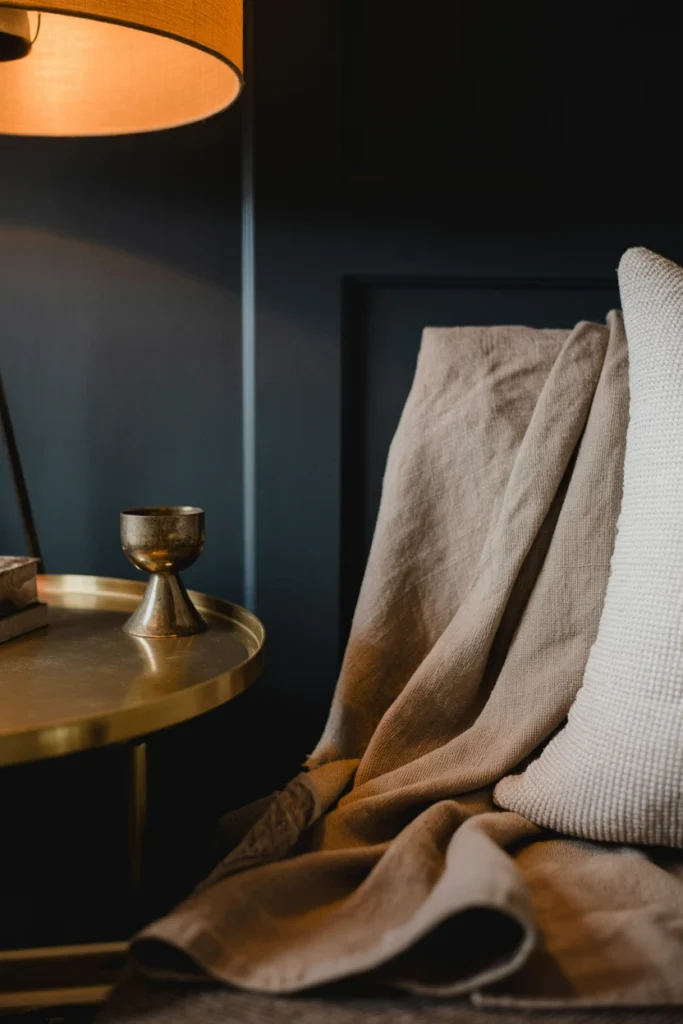
Random dark colors scattered through a room read as clutter, not atmosphere. Without one anchor palette, jewel tones, blacks, and greens compete instead of layering, and the space loses depth. A locked three-color palette turns every future purchase into an automatic match, cutting decorating time in half.
Start by selecting one dominant dark base — charcoal, aubergine, or forest green — for walls or large furniture. Pair it with one metallic accent (aged brass or pewter) and one natural neutral (raw linen or unbleached cotton) at a 60-30-10 ratio. This ratio keeps the space moody without tipping into a room that feels cave-like or heavy.
| Palette Base | Best Paired Accent |
| Charcoal black | Aged brass + raw linen |
| Aubergine purple | Pewter + unbleached cotton |
| Forest green | Antique gold + oatmeal wool |
| Midnight blue | Warm copper + natural jute |
2. Choose a Witch Archetype to Anchor Your Style
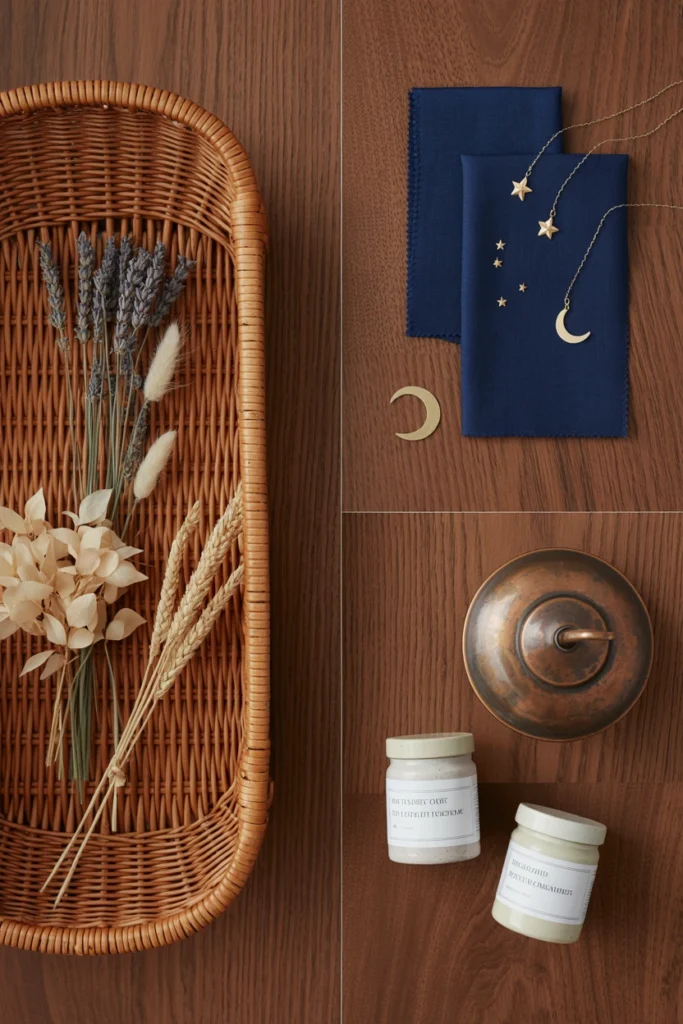
A witchy house without a defined archetype drifts into generic gothic decor. Cottage witch, kitchen witch, and celestial witch each pull from different materials, colors, and objects, so mixing all three flattens the look. Committing to one archetype gives every future purchase a clear filter, producing a room that reads as deliberate rather than themed.
Start by reviewing three core archetypes and noting which materials you already own that match one direction. Cottage witch leans dried florals and wicker; celestial witch leans navy, brass stars, and moon imagery; kitchen witch leans copper pots and herb jars. Choosing one archetype early prevents wasted purchases on decor that never fits the final room.
| Archetype | Core Materials |
| Cottage witch | Dried florals, wicker, cream linen |
| Celestial witch | Navy, brass stars, moon motifs |
| Kitchen witch | Copper, ceramic jars, dried herbs |
| Forest witch | Moss green, raw wood, mushrooms |
3. Remove Bright Overhead Lighting Fixtures First
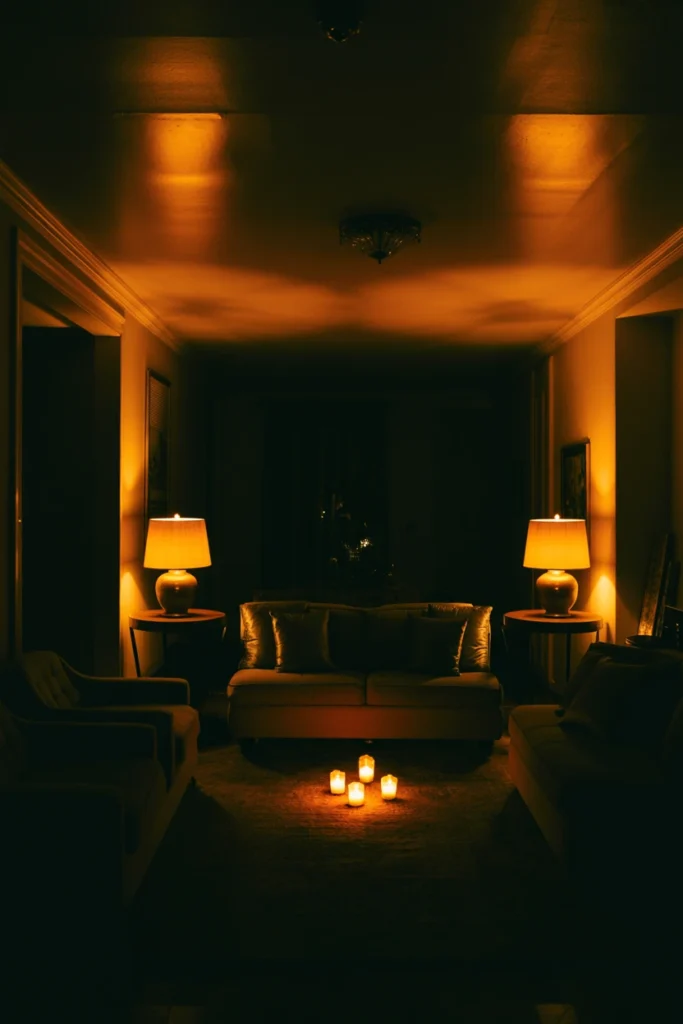
Overhead lighting is the single fastest way to kill a witchy atmosphere. Bright, flat ceiling light flattens shadows and washes out the color depth you just spent time selecting, erasing the mood instantly. Removing or dimming overhead fixtures first lets every other change — color, texture, candlelight — actually register visually.
Start by installing a dimmer switch on any existing overhead fixture, dropping output to 20-30% of full brightness. Replace any remaining bright white bulbs (5000K+) with warm bulbs rated 2200K-2700K for an amber, candle-like tone. This single swap makes every other witchy element in the room read three shades moodier without touching a single decor piece.
| Bulb Temperature | Effect on Room |
| 5000K+ (daylight) | Flat, clinical, kills mood |
| 3000K (soft white) | Neutral, still too bright |
| 2700K (warm white) | Cozy, subtly witchy |
| 2200K (candle-tone) | Deepest amber, most atmospheric |
Layer Moody Color and Texture for Witchy Living Rooms
Living room decor carries the most visual weight in a witchy home, since it’s the space guests see first. Layering color and texture here sets the tone the rest of the house follows.
4. Layer Deep Jewel Tones Across Your Walls
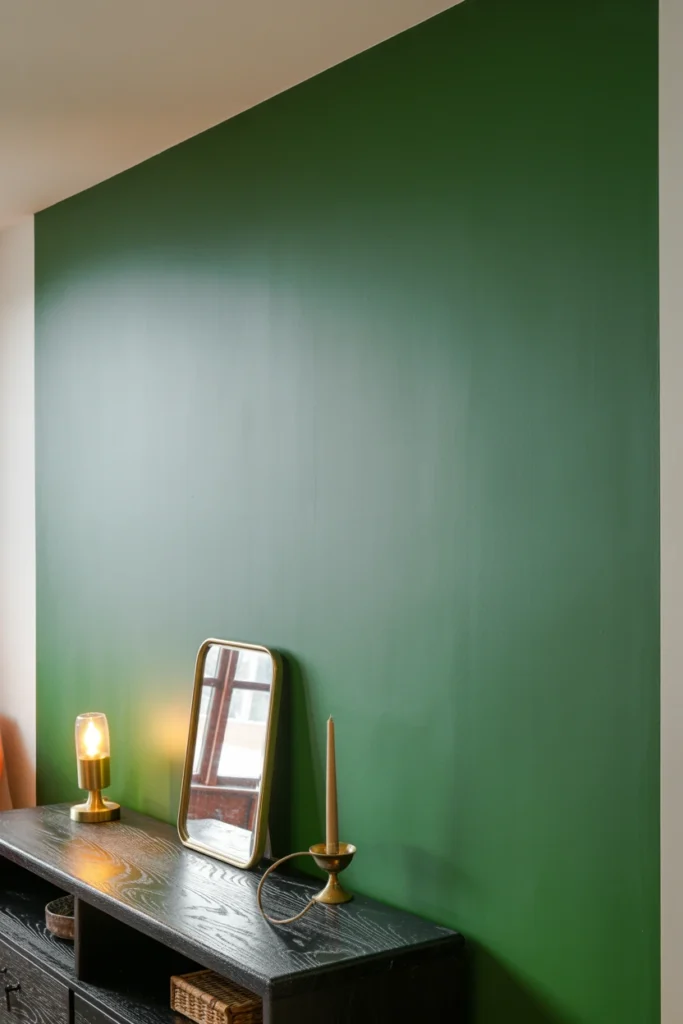
Flat white or beige walls make any witchy furniture look randomly placed. Without a jewel-toned wall as backdrop, dark furniture floats without context and reads as mismatched rather than intentional. A single accent wall in deep emerald, plum, or oxblood immediately grounds every dark furniture piece already in the room.
Start by painting one wall — ideally behind a bed, sofa, or shelving unit — in a matte deep jewel tone. Use a paint sheen of eggshell or matte, never satin or gloss, since shine reads as modern rather than moody. A matte finish also hides small imperfections better than gloss, saving a second coat in most rooms.
| Jewel Tone | Room Best Suited For |
| Emerald green | Living room, home office |
| Oxblood red | Dining room, entryway |
| Deep plum | Bedroom, reading nook |
| Ink navy | Bathroom, small hallway |
5. Add Velvet Textiles to Key Seating Pieces
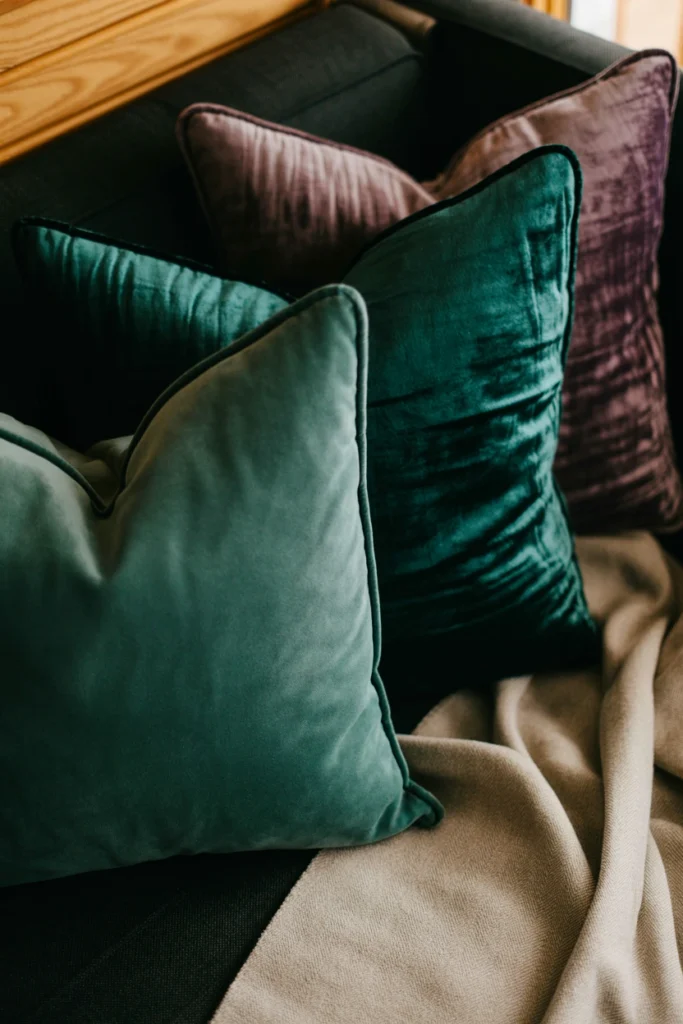
Cotton and linen upholstery read as casual, never mystical. Without a soft, light-catching texture, seating areas look flat under warm bulbs and lose the layered depth witchy rooms depend on. Velvet throw pillows or a velvet accent chair instantly add the light-catching texture that makes a room photograph as rich rather than plain.
Start by adding two to three velvet throw pillows in a jewel tone to your existing sofa or bed. Choose crushed or cotton-blend velvet over polyester velvet, since polyester pills within months under regular use. The texture contrast between velvet and any wool or linen throw nearby adds visual depth without adding a single new color.
| Velvet Type | Durability | Best Use |
| Crushed velvet | High | Throw pillows, curtains |
| Cotton velvet | Medium-high | Accent chairs |
| Polyester velvet | Low | Budget pillow covers only |
| Silk velvet | Low (delicate) | Decorative, low-touch pieces |
6. Install Dark Wood Furniture as Anchor Pieces
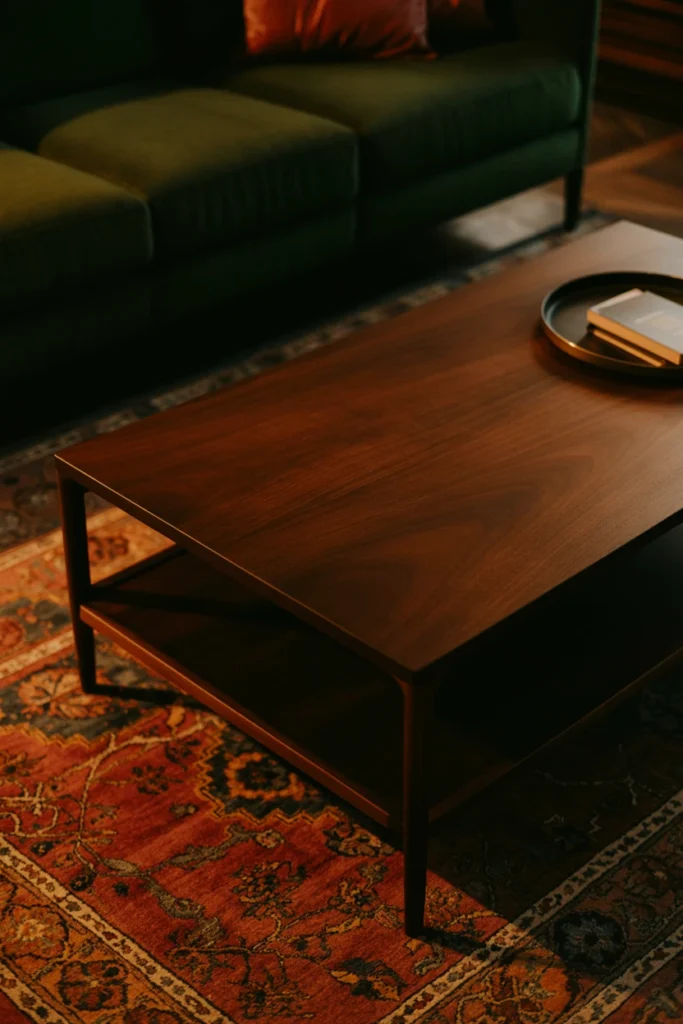
Light oak and pine furniture undercuts even the best color palette. Pale wood reflects too much light and reads as Scandinavian minimalism, directly working against the moody depth a witchy room needs. Swapping in one dark wood anchor piece — walnut, mahogany, or ebonized oak — resets the entire room’s tone instantly.
Start with the largest furniture piece in the room — a coffee table, bed frame, or bookshelf — and prioritize replacing that first. If replacing isn’t an option, apply a dark wood stain or ebonizing wax to existing pine or oak furniture over one weekend. Ebonizing an existing piece costs roughly 80% less than buying new dark wood furniture and takes under three hours.
| Wood Finish | Cost to Achieve | Time Required |
| New walnut piece | High | Immediate |
| New mahogany piece | High | Immediate |
| Dark stain (existing) | Low | 2-4 hours |
| Ebonizing wax (existing) | Low | 1-3 hours |
7. Group Botanical Textures with Dried Herb Bundles
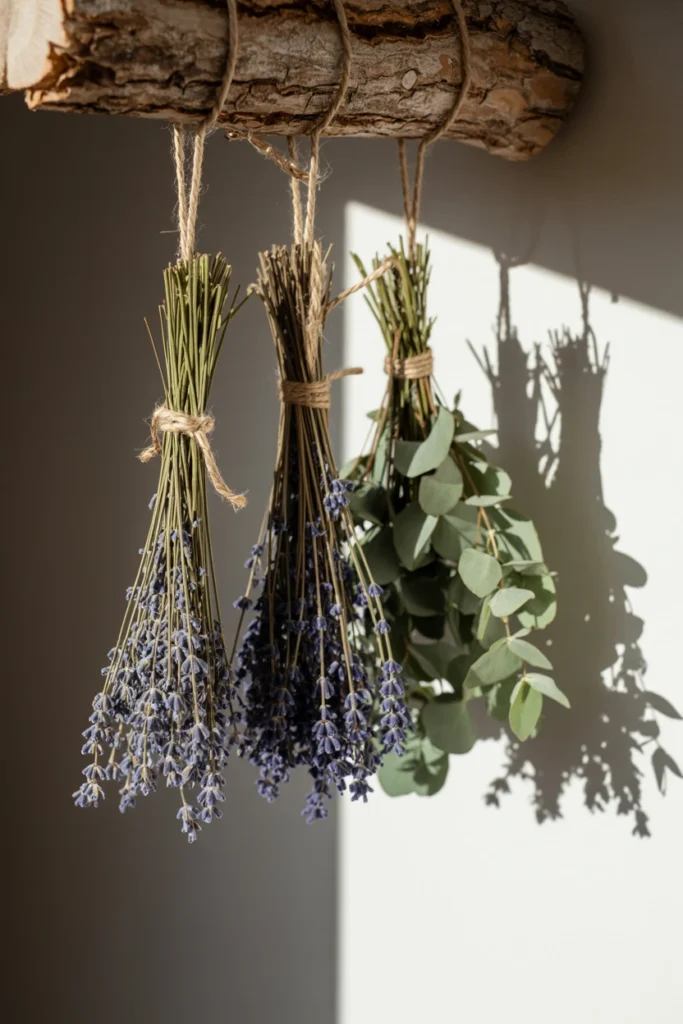
Fresh flowers wilt within a week and constantly need replacing. Relying on fresh florals for texture means the witchy look degrades within days, forcing repeated purchases that add up over a year. Dried herb bundles — lavender, eucalyptus, sage — hold their shape and color for six to twelve months with zero maintenance.
Start by hanging three to five dried herb bundles upside down from an exposed beam, hook, or shelf edge. Group bundles in odd numbers of 3 or 5, since even numbers read as symmetrical and staged rather than gathered. Dried bundles also release a faint herbal scent for the first few weeks, adding a sensory layer beyond the visual.
| Dried Herb | Color Retained | Lifespan |
| Lavender | Purple-grey | 10-12 months |
| Eucalyptus | Silver-green | 8-10 months |
| Sage | Grey-green | 6-8 months |
| Wheat stalks | Golden | 12+ months |
8. Apply Aged Brass Hardware to Existing Furniture
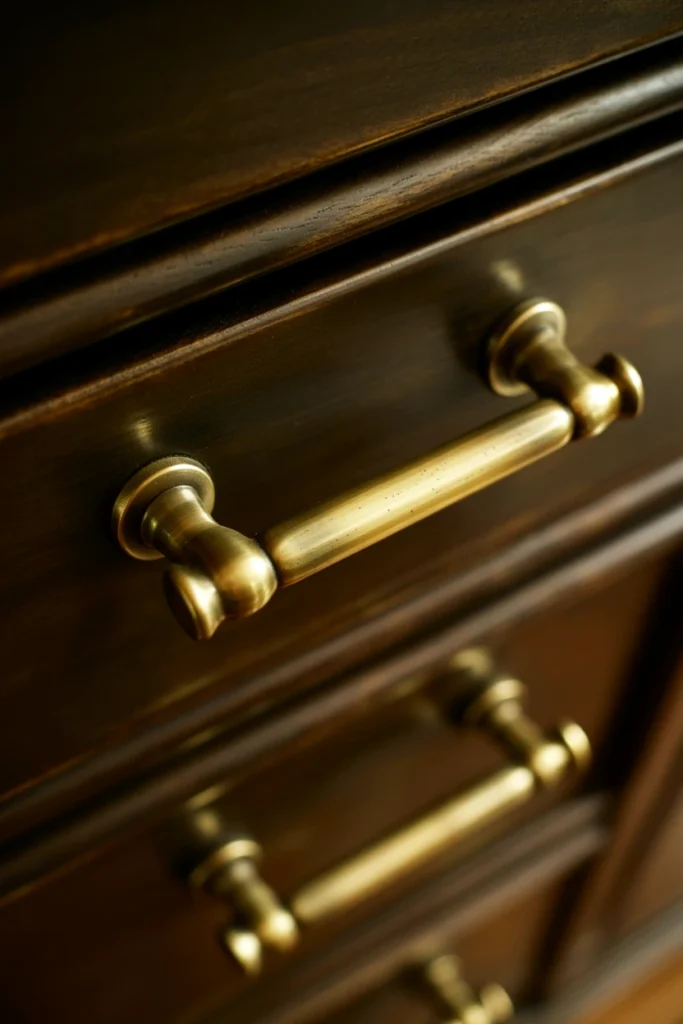
Chrome and nickel hardware reads as sterile and modern. Shiny silver knobs and pulls catch overhead light and reflect a cold, clinical tone that fights against a warm witchy palette. Swapping to aged or unlacquered brass hardware warms every cabinet and drawer instantly without replacing the furniture itself.
Start by removing existing chrome or nickel knobs from one dresser or cabinet using a standard screwdriver. Replace with unlacquered brass hardware, which develops a natural patina over 6-18 months instead of staying artificially shiny. Unlacquered brass costs roughly the same as lacquered brass but ages into the room instead of looking store-new for years.
| Hardware Finish | Initial Look | Ages Into Patina? |
| Chrome | Cold, shiny | No |
| Lacquered brass | Warm, shiny | No (sealed) |
| Unlacquered brass | Warm, matte | Yes (6-18 months) |
| Oil-rubbed bronze | Warm, dark | Slight |
Set the Mood with Witchy Lighting and Ambiance
Lighting decides whether a witchy room reads as atmospheric or accidental. This section covers the fixtures and bulb choices that carry the mood through every hour of the day.
9. Switch to Warm Amber Bulbs Throughout Your Home
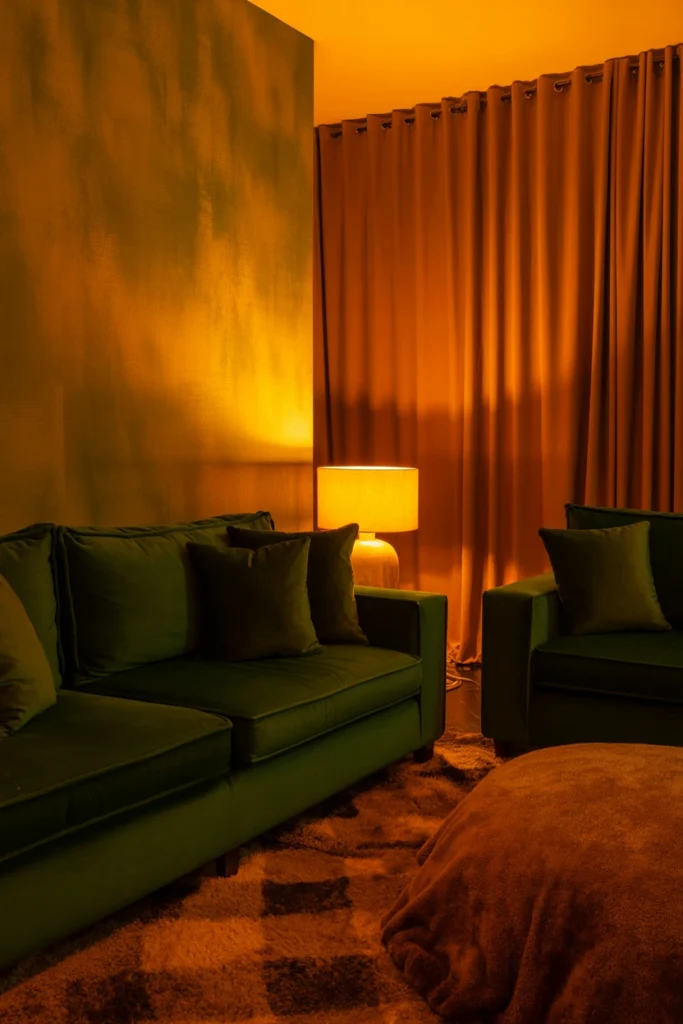
Mixed bulb temperatures across one room create visual confusion. A cool 4000K bulb in one lamp next to a warm 2700K bulb in another makes the room feel unfinished, even with matching decor. Standardizing every bulb in the house to 2200K-2700K creates a uniform amber glow that photographs and feels intentional.
Start by auditing every lamp and fixture in your main living space and noting each bulb’s color temperature, printed on the packaging. Replace all bulbs above 3000K with warm-toned LED bulbs rated 2200K-2700K, which cost roughly $3-6 each. Warm LED bulbs also use 75% less energy than the incandescent bulbs typically associated with this amber tone.
| Kelvin Rating | Visual Tone | Witchy Suitability |
| 2200K | Deep amber | Best |
| 2700K | Warm white | Very good |
| 3000K | Soft white | Acceptable |
| 4000K+ | Cool/daylight | Avoid |
10. Hang Layered Candle Sconces Along Hallway Walls
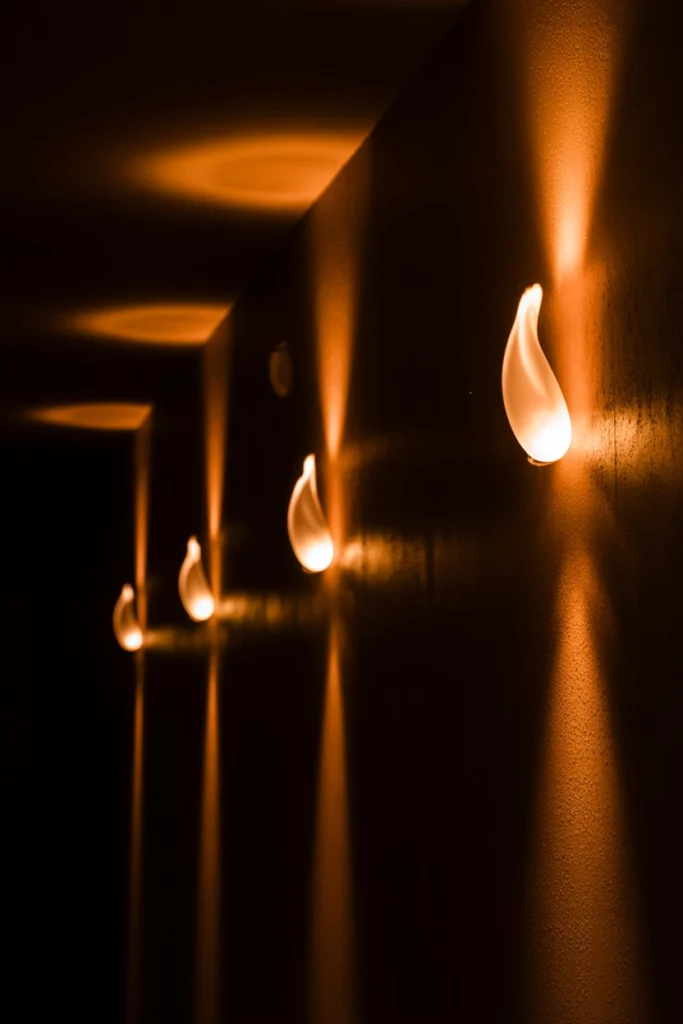
A single overhead hallway light leaves transitional spaces feeling like an afterthought. Hallways with only one flat light source break the atmosphere built in adjacent rooms, creating a jarring gap between spaces. Wall-mounted candle sconces spaced every 4-5 feet extend the moody lighting through every connecting space in the house.
Start by mounting two to four wall sconces at 60-inch height, spaced evenly along the longest hallway wall. Choose sconces with flame-effect LED bulbs over real candles for hallways, since unattended open flame in a walkway is a fire risk. Flame-effect LED bulbs now flicker convincingly enough that most guests assume they’re real candlelight.
| Sconce Spacing | Hallway Length | Sconces Needed |
| Every 4 ft | 8-12 ft | 2 |
| Every 4-5 ft | 12-20 ft | 3-4 |
| Every 5 ft | 20-25 ft | 5 |
| Every 5-6 ft | 25+ ft | 6+ |
11. Place Taper Candles in Antique Brass Holders
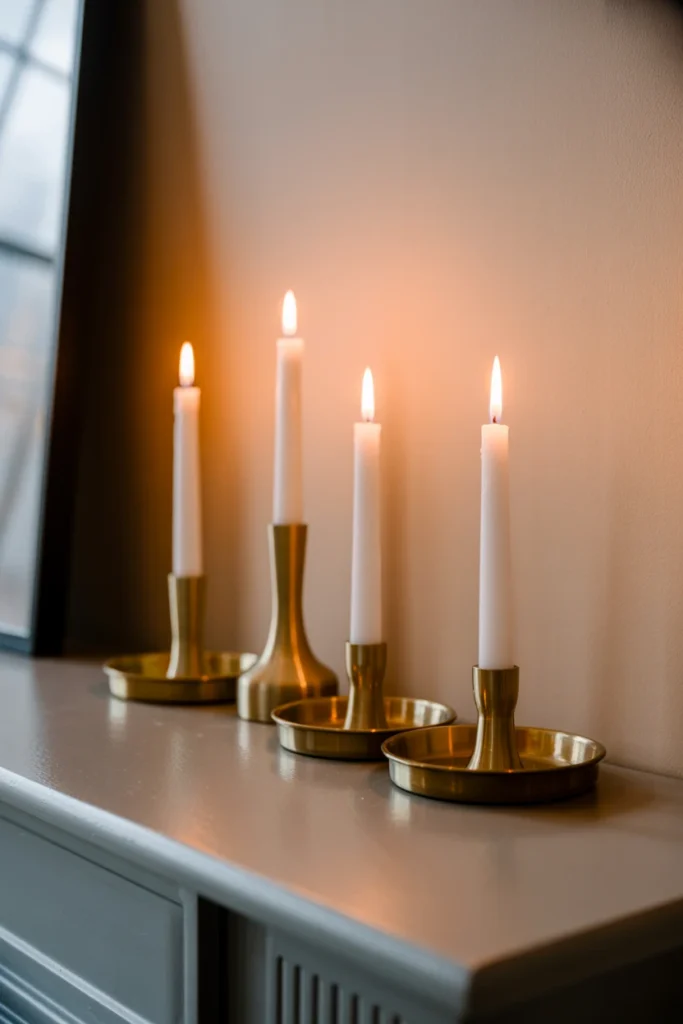
Plastic or plain glass candle holders undercut an otherwise well-styled surface. A beautiful mantel or shelf loses credibility the moment the candle holder itself looks mass-produced or plastic. Antique or antique-style brass taper holders elevate the entire surface, even when paired with budget candles.
Start by sourcing two to three mismatched brass taper holders from secondhand shops, priced typically $8-25 each. Group holders at varying heights — 6, 9, and 12 inches — rather than matching heights, which reads as a mass-produced set. Mismatched vintage holders also mean no two shelves in your home look identically styled, adding to the collected feel.
| Holder Height | Visual Role | Typical Secondhand Price |
| 6 inches | Front/foreground | $8-15 |
| 9 inches | Middle layer | $12-20 |
| 12 inches | Back/tallest point | $15-25 |
| 15+ inches | Statement piece | $25-40 |
12. Build a Dedicated Moon Phase Display Wall
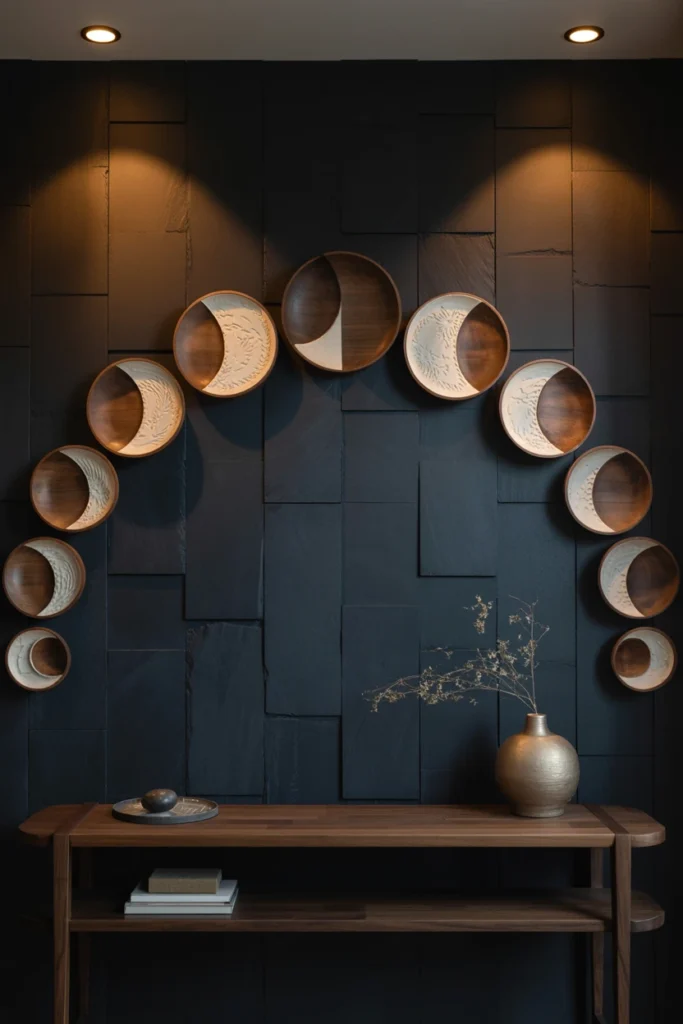
A blank wall in a witchy home is wasted opportunity. Empty vertical space breaks up the room’s layered feel and leaves visitors with nowhere to focus in an otherwise curated space. A moon phase display — either wall art or physical carved discs — creates a dedicated focal point that ties directly to witchy symbolism.
Start by measuring a wall section at least 24 inches wide, ideally above a bed, console, or altar surface. Choose either a single moon-phase print (18×24 inches) or a set of 8-9 carved wooden moon discs arranged in an arc. The arc arrangement doubles as a subtle calendar, letting you track the actual lunar cycle in real time.
| Moon Display Type | Wall Space Needed | Approx. Cost |
| Single framed print | 18×24 inches | $25-60 |
| 8-piece disc set | 36 inches wide | $30-70 |
| Wall decal set | 24×36 inches | $15-30 |
| Custom wood carving | 30-40 inches wide | $80-150 |
Curate Witchy Decor Objects and Collections
Objects are what turn a moody room into a specifically witchy one. This section covers the collections — jars, altars, books, crystals — that carry the aesthetic’s signature detail.
13. Arrange an Apothecary Shelf with Labeled Jars
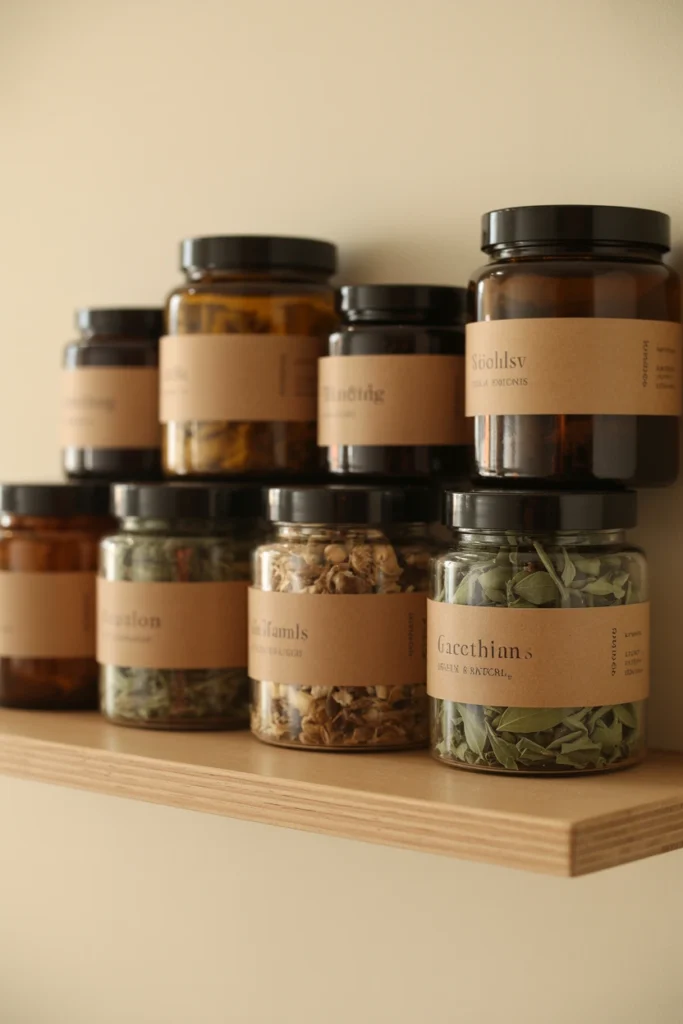
Loose bottles scattered across a counter read as clutter, not curation. Without grouping and labeling, jars of herbs and dried botanicals look like leftover kitchen supplies rather than an intentional collection. A dedicated apothecary shelf with matching labeled jars turns the same items into a cohesive, museum-like display.
Start by collecting 6-10 matching amber or clear glass jars, sized between 4 and 8 ounces. Apply matching kraft-paper labels in a single handwriting style or font, listing herb name and a small illustration. Matching labels alone can turn mismatched thrifted jars into a set that reads as intentionally curated.
| Jar Size | Best Contents | Ideal Quantity on Shelf |
| 2-4 oz | Loose herbs, salts | 4-6 jars |
| 4-8 oz | Dried flowers | 3-5 jars |
| 8-12 oz | Larger botanicals | 2-3 jars |
| 12+ oz | Display-only specimens | 1-2 jars |
14. Style a Small Altar with Personal Ritual Objects
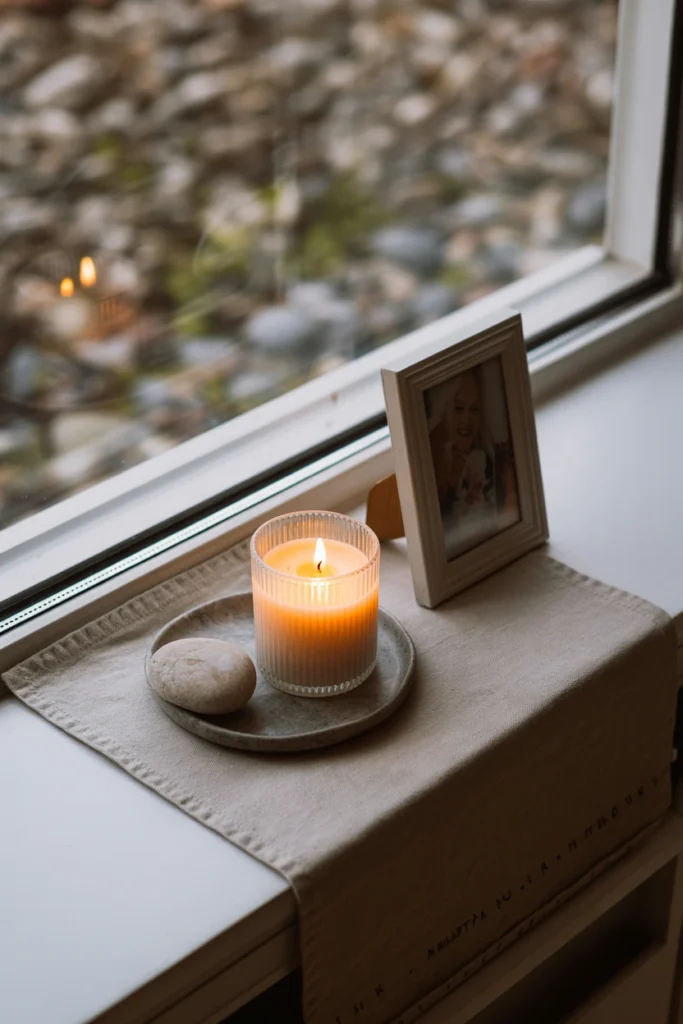
A generic decor vignette feels store-bought, not personal. Filling a surface with only purchased objects — no matter how well-chosen — leaves the space feeling like a display rather than a lived-in ritual corner. A small altar surface mixing personal objects with decor pieces creates a corner that feels genuinely yours, not replicated from a catalog.
[IMAGE ALT: Small altar table with a candle, stone, and personal photo arranged together] [credits: source]
Start with a surface roughly 12×18 inches — a small table, shelf, or windowsill ledge — cleared of unrelated items. Layer three categories: one personal object (a stone, photo, or heirloom), one natural element (a candle or crystal), and one textile (a small cloth runner). This three-category method works for any surface size, scaling up or down without losing the intentional feel.
| Altar Size | Object Count | Best Location |
| Small (12×18″) | 3-5 objects | Windowsill, side table |
| Medium (18×30″) | 5-8 objects | Console table, dresser top |
| Large (30″+) | 8-12 objects | Dedicated table, mantel |
| Shelf-based | 4-6 objects | Floating shelf |
15. Anchor Bookshelves with Antique and Occult Texts
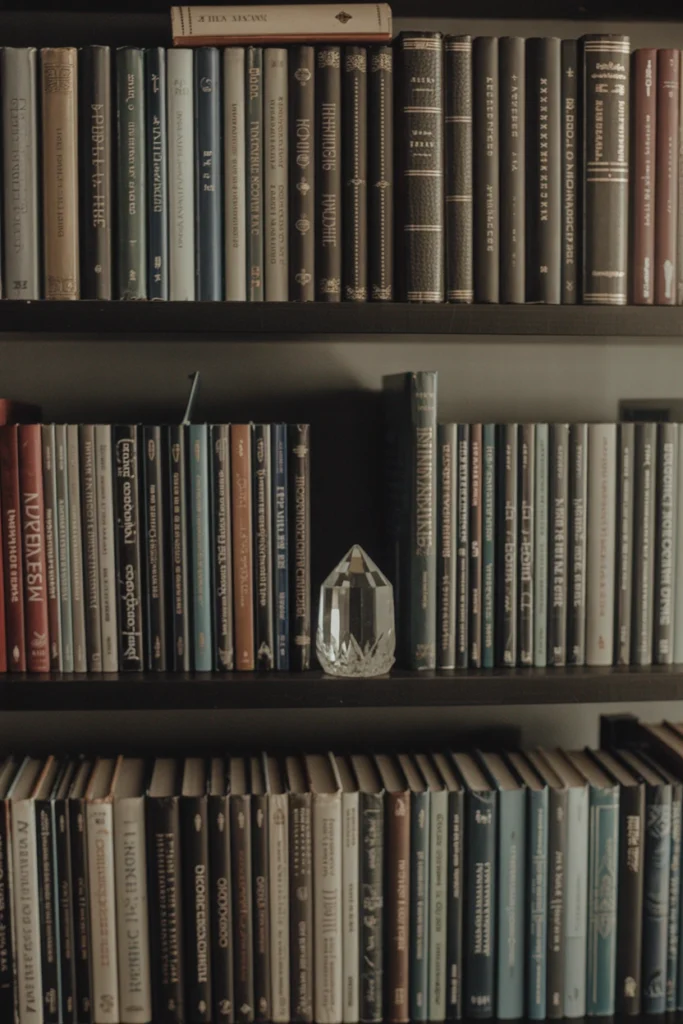
New paperbacks with bright, glossy covers disrupt an otherwise moody shelf. Modern book spines in bright colors and plastic-coated covers pull the eye away from the room’s overall dark, textured palette. Grouping older hardcovers, leather-bound editions, and dark-spined books instantly makes a bookshelf feel decades older than it is.
Start by sorting your existing book collection and pulling every book with a dark or muted spine to one shelf. Fill remaining gaps with secondhand hardcovers from thrift stores, typically priced $1-4 each, choosing dark or leather-bound spines only. Turning a handful of books spine-inward (pages facing out) adds texture variation without spending anything additional.
| Book Source | Typical Cost | Spine Style to Prioritize |
| Thrift store | $1-4 each | Dark leather, muted cloth |
| Used bookshop | $5-15 each | Antique gilt-edge |
| Estate sale | $2-8 each | Vintage hardcover |
| New reproduction | $15-30 each | Faux-antique leather |
16. Mount a Curated Crystal Display Near Natural Light
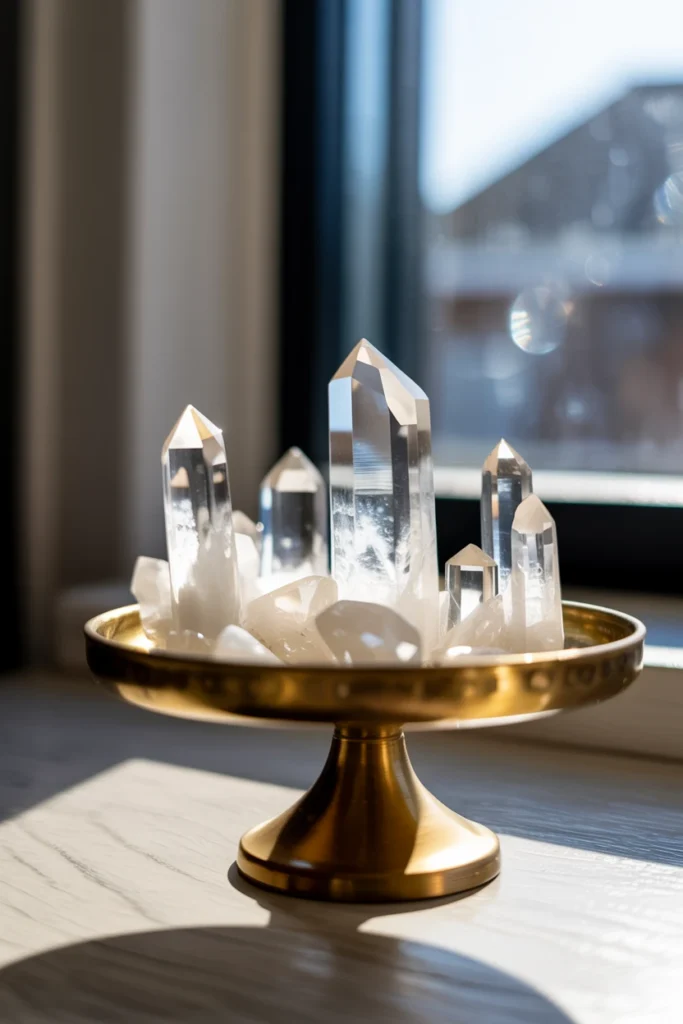
Crystals piled in a single bowl lose their individual visual impact. Grouped without spacing or hierarchy, even beautiful crystals read as a random rock collection rather than a curated display. Mounting crystals on a small wall shelf or riser near a window lets natural light hit each piece individually throughout the day.
Start by selecting 5-7 crystals of varying height, from 2-inch points to 6-inch clusters. Arrange on a small wood or brass riser shelf positioned within 3 feet of a window that receives at least partial daily sun. Rotating crystal position seasonally keeps the display feeling refreshed without buying new pieces.
| Crystal Height | Placement on Shelf | Light Exposure Benefit |
| 2-3 inches | Front row | Full light contact |
| 3-5 inches | Middle row | Partial light, visible facets |
| 5-6 inches | Back/statement | Silhouette against window |
| Clusters (6″+) | Anchor point | Cast light patterns on wall |
17. Create a Witch Bottle Corner for Protection Symbolism
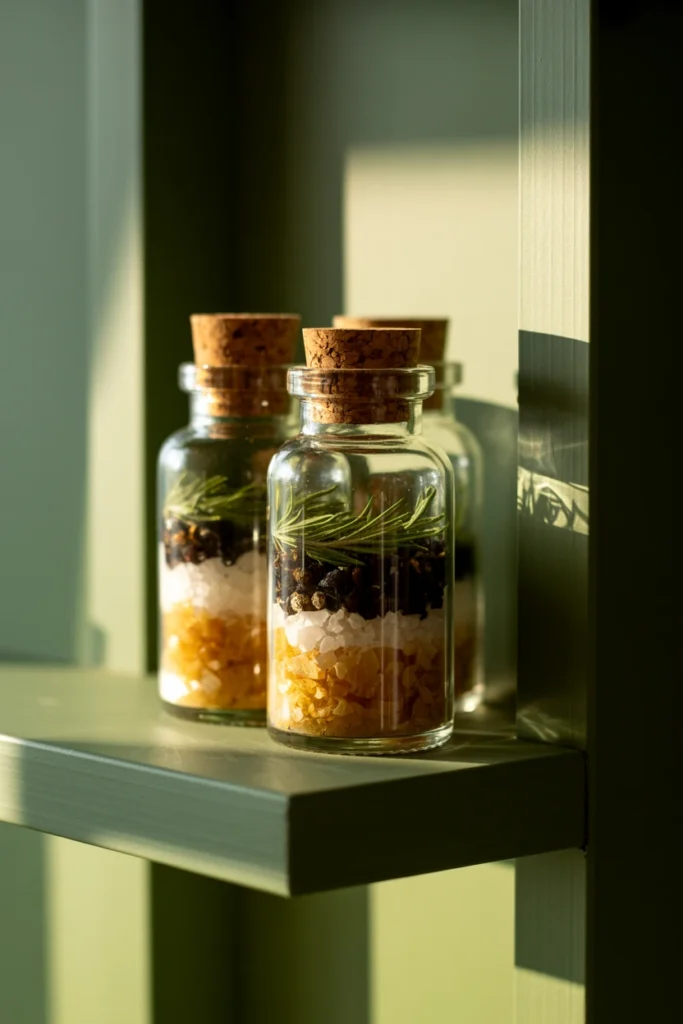
Most witchy homes skip protective symbolism entirely, leaving decor purely decorative. A room that looks witchy but carries no symbolic layer feels one-dimensional to anyone who understands the aesthetic’s roots. A small witch bottle display corner adds narrative depth, turning decor into a talking point rather than background dressing.
Start by sourcing 2-3 small corked glass bottles, sized between 2 and 5 ounces, from craft or secondhand shops. Fill visible layers with rosemary, sea salt, and small iron nails or pins, sealing with dark wax at the corkline. The layered contents create a visual gradient inside the glass that catches light differently than a plain decor object.
| Bottle Size | Layer Count | Display Height |
| 2 oz | 2-3 layers | Small shelf, 4-5 inches |
| 3 oz | 3-4 layers | Windowsill, 5-6 inches |
| 5 oz | 4-5 layers | Statement shelf, 6-8 inches |
| 8 oz+ | 5+ layers | Floor-level display |
Styling and Finishing Touches for a Witchy Look
The final layer of detail is what separates a themed room from a genuinely witchy one. These finishing touches add texture and depth without introducing new colors.
18. Layer Vintage Rugs Over Dark Hardwood Floors
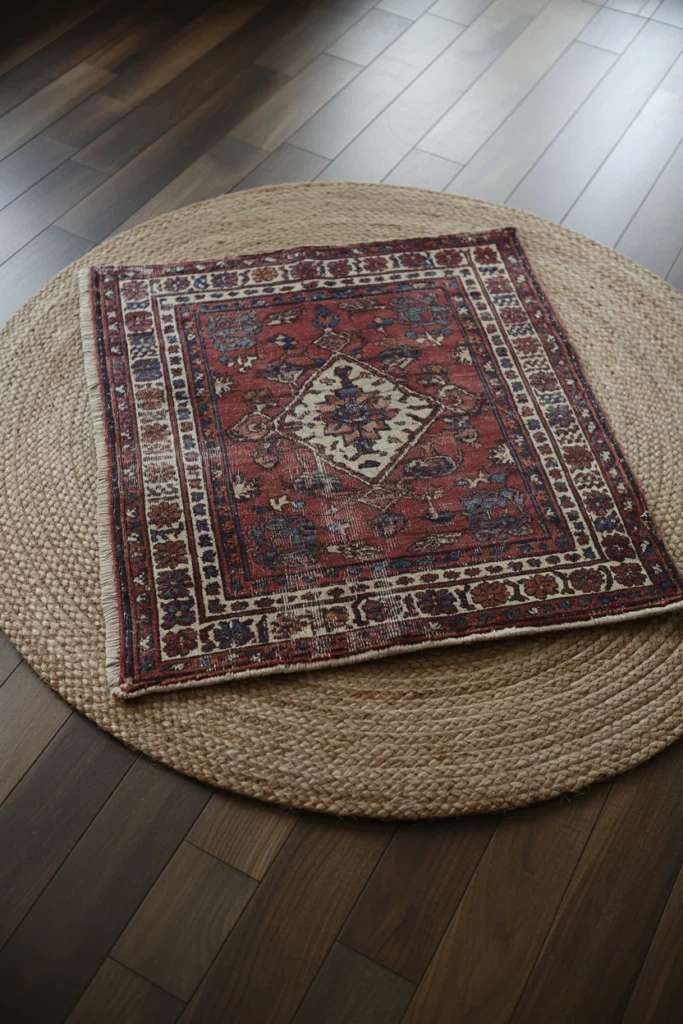
A single flat rug on dark flooring can look thin and unfinished. One-layer rug styling leaves visible floor gaps around the edges, breaking the enclosed, cocoon-like feeling witchy rooms rely on. Layering a smaller vintage or Persian-style rug over a larger jute or wool base rug fills the space edge-to-edge with texture.
Start with a base rug sized to cover 80% of the room’s floor area, in jute, wool, or sisal. Layer a smaller vintage-pattern rug (roughly half the base rug’s size) centered on top, offset slightly for an organic, collected look. The layered edge where both rugs overlap creates a natural shadow line that adds depth even in flat lighting.
| Base Rug Size | Top Rug Size | Room Size Fit |
| 6×9 ft | 4×6 ft | Small living room |
| 8×10 ft | 5×8 ft | Standard living room |
| 9×12 ft | 6×9 ft | Large living room |
| 5×7 ft | 3×5 ft | Bedroom, reading nook |
19. Hang Botanical Illustrations in Antique Frames
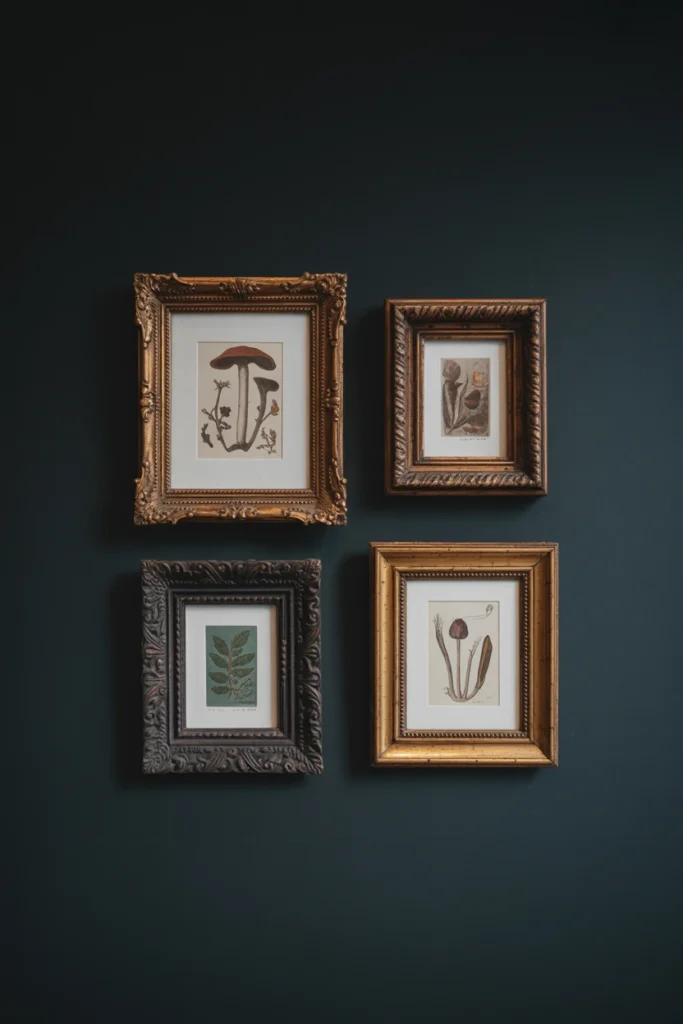
Modern art prints in thin black frames clash with an otherwise aged, layered room. Sleek contemporary framing draws attention to itself instead of blending into the room’s antique, collected atmosphere. Botanical illustrations in ornate or aged wood frames add wall interest that feels found rather than purchased new.
[IMAGE ALT: Mismatched antique gilt frames holding botanical illustrations on a dark wall] [credits: source]
Start by sourcing 3-4 botanical or mycological illustration prints, sized 8×10 to 11×14 inches. Frame each in mismatched antique-style wood or gilt frames, sourced secondhand for $10-30 per frame. Mismatched frame styles read as a collection built over years, even when purchased in a single weekend.
| Frame Style | Typical Secondhand Price | Best Print Pairing |
| Gilt wood | $15-30 | Botanical illustrations |
| Dark carved wood | $10-25 | Mycology, moth prints |
| Ornate brass | $20-40 | Celestial charts |
| Simple black wood | $8-15 | Modern botanical line art |
20. Place Preserved Specimens in Glass Display Domes
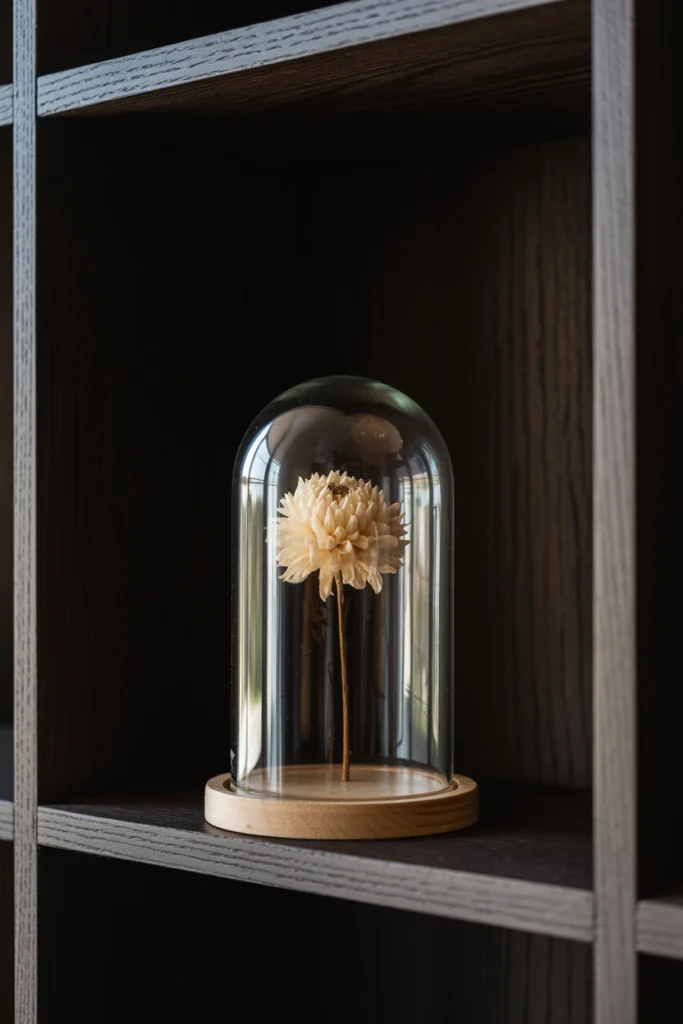
Dried flowers left loose on a shelf collect dust and lose shape within weeks. Unprotected dried botanicals crumble under regular handling and airflow, forcing repeated replacement throughout the year. A glass display dome protects and elevates the same dried specimens, extending their usable life to two or more years.
Start by sourcing a glass cloche or dome sized 6-10 inches tall, priced typically $15-35. Mount the specimen — a preserved flower, moth, or mushroom — on a small wood base before covering with the dome. The sealed dome also prevents dust buildup, cutting shelf-cleaning time in that area to almost zero.
| Dome Height | Best Specimen Type | Approx. Cost |
| 6 inches | Single dried flower | $12-20 |
| 8 inches | Small preserved insect | $18-28 |
| 10 inches | Mushroom or fungi cluster | $25-35 |
| 12+ inches | Multi-specimen arrangement | $35-55 |
Maintain Your Witchy House Aesthetic Long-Term
A witchy house aesthetic isn’t a one-time project — it needs small, consistent upkeep to stay sharp. These two habits keep the room from fading or overfilling over time.
21. Replace Dried Herbs Every Few Months
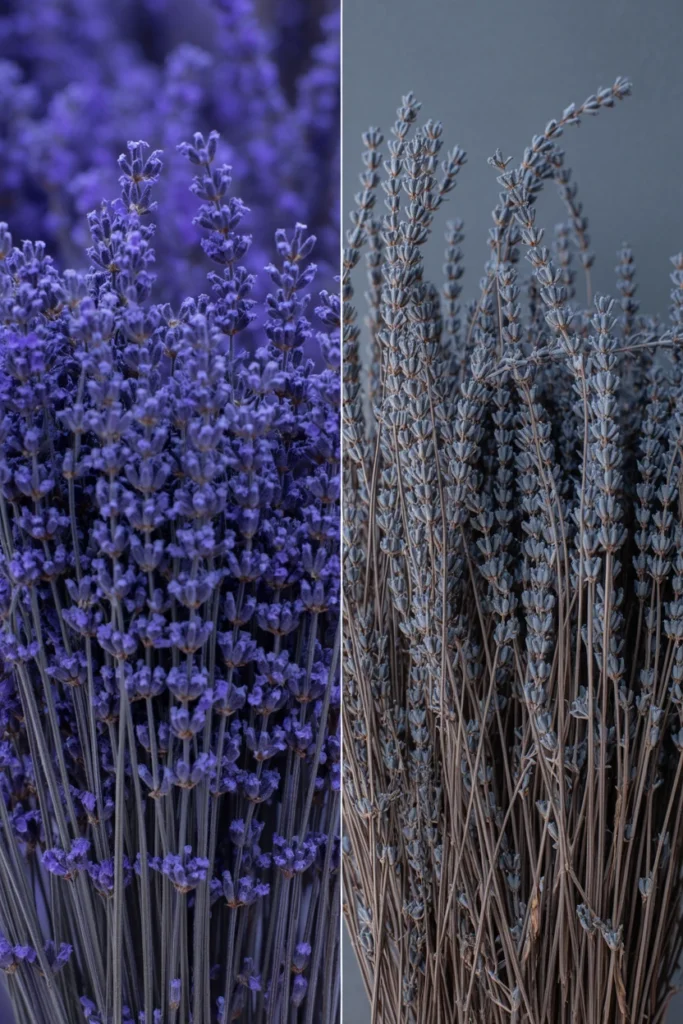
Dried herbs left in place for over a year fade to a dull grey and lose all visual texture. Faded, brittle botanicals quietly undercut an otherwise well-maintained room, and most homeowners don’t notice the gradual decline. Rotating dried herb bundles every 4-6 months keeps color saturation and texture consistently sharp throughout the year.
Start by marking a calendar reminder every 4-6 months to inspect all dried botanicals throughout the house. Replace any bundle that has faded more than 30% from its original color or become brittle enough to crumble when touched. Composting old bundles instead of trashing them also keeps the ritual-minded practice consistent with the aesthetic itself.
| Herb Type | Replace Frequency | Fade Warning Sign |
| Lavender | Every 10-12 months | Grey, brittle stems |
| Eucalyptus | Every 8-10 months | Color loss, curling leaves |
| Sage | Every 6-8 months | Crumbling, dust shedding |
| Roses (dried) | Every 4-6 months | Petal drop |
22. Limit New Additions to One Piece Per Season

Adding decor continuously without limits eventually tips a curated room into visual clutter. Unchecked accumulation of crystals, jars, and candles fills every surface within a year, erasing the negative space that made the room feel intentional. Capping new additions to one meaningful piece per season keeps the room editing itself instead of expanding indefinitely.
Start by setting a personal rule: one new decor purchase per three-month season, chosen deliberately rather than impulsively. Before adding anything new, remove one existing piece from the same shelf or surface to maintain overall density. This one-in-one-out habit keeps surfaces at roughly 70% fill, the density most interior stylists consider visually balanced.
| Season | New Additions Allowed | Surface Fill Target |
| Per season | 1 intentional piece | 70% max density |
| Per year | 4 total pieces | Rotate, don’t stack |
| Holiday exception | +1 seasonal item | Remove after season ends |
| Gift exception | +1 as needed | Integrate, don’t add shelf |
Common Witchy House Aesthetic Mistakes That Ruin the Vibe
These eight mistakes appear most often in witchy interiors that don’t quite land, and each one has a direct, low-cost fix.
| Mistake | Why It Hurts the Space | Better Alternative |
| Using only black decor | Reads as flat and one-dimensional under any light | Layer black with jewel tones and metallics |
| Buying a full matching candle set | Looks staged and mass-produced | Mix mismatched vintage holders and candle heights |
| Leaving overhead lights bright | Erases all shadow and mood instantly | Dim to 20-30% or switch to warm bulbs |
| Displaying fresh flowers only | Wilts within a week, forces constant replacement | Use dried botanicals that last 6-12 months |
| Covering every surface at once | Removes negative space, reads as cluttered | Cap additions at one piece per season |
| Mixing plastic Halloween props | Reads as costume, not aesthetic | Use natural materials — wood, glass, brass |
| Choosing glossy paint finishes | Reflects light and kills the moody effect | Use matte or eggshell sheen only |
| Skipping a defined color palette | Every new piece competes instead of matching | Lock a 60-30-10 palette before shopping |
Witchy House Aesthetic by Room and Style
Small Bedroom
Small bedrooms carry the tightest constraint of any room — every witchy element competes for limited wall and surface space. Prioritizing vertical elements over floor pieces solves most of the space problem.
Key strategies for small bedrooms:
- Mount a single floating apothecary shelf above the headboard instead of a nightstand display
- Hang a moon phase print directly above the bed frame to anchor the wall
- Choose a velvet duvet cover over a velvet bedspread to save on bulk
- Install a dimmable wall sconce beside the bed instead of a floor lamp
- Layer a small vintage rug (3×5 ft) beside the bed rather than a full-room rug
- Limit crystal displays to one small windowsill riser to avoid surface clutter
Living Room
Living rooms carry the most foot traffic and the most furniture, making them the best space for a full jewel-tone accent wall. This is also the room where layered lighting has the biggest visual payoff.
Key strategies for living rooms:
- Anchor the seating area with one dark wood coffee table as the room’s focal point
- Layer a vintage rug over a jute base rug beneath the main seating group
- Install two to three wall sconces along the largest uninterrupted wall
- Group a bookshelf display combining antique texts and crystal risers
- Add velvet throw pillows across all seating in a single jewel-tone family
- Build a moon phase display on the wall most visible from the entry
Kitchen
Kitchens carry practical constraints that bedrooms and living rooms don’t — heat, moisture, and food safety limit which materials work. Apothecary-style storage solves both the practical and aesthetic sides at once.
Key strategies for kitchens:
- Arrange labeled apothecary jars for dry spices on open shelving near the stove
- Switch upper cabinet hardware to unlacquered brass knobs and pulls
- Hang a single dried herb bundle rack near a window, away from direct heat
- Choose dark cabinetry paint (charcoal or forest green) on a lower cabinet run only
- Install warm-toned under-cabinet lighting rated 2700K or lower
- Limit fresh herb displays to a windowsill planter, replacing dried decor elsewhere
Rental Apartment
Rentals restrict paint and permanent fixtures, so every witchy strategy here has to be removable. Command-strip and freestanding solutions cover nearly every tip in this guide without breaking a lease.
Key strategies for rental apartments:
- Use a large removable wall decal in place of painted jewel-tone walls
- Add a freestanding floor lamp with a warm bulb instead of installing wall sconces
- Hang framed prints using adhesive picture-hanging strips rated for the frame’s weight
- Choose plug-in string lights with amber bulbs for instant ambient lighting
- Layer rugs and velvet textiles, which require zero permanent modification
- Style a rolling or freestanding shelf as an apothecary display instead of built-ins
Frequently Asked Questions
How do I get a witchy house aesthetic on a budget?
Start with lighting and textiles rather than furniture, since warm bulbs and a few velvet pillows cost under $50 total and change the room’s mood immediately. Thrift secondhand candle holders, jars, and frames instead of buying new decor pieces. Dried herbs from a grocery store cost a fraction of decorative florals and last for months. Most of a witchy house aesthetic comes from color and light, not expensive objects.
What colors are used in a witchy aesthetic?
Deep jewel tones dominate a witchy house aesthetic, including emerald green, aubergine purple, oxblood red, and midnight blue. These pair with metallic accents like aged brass or pewter and natural neutrals like raw linen or unbleached cotton. A 60-30-10 ratio between base color, accent metal, and neutral keeps the palette balanced. Avoid pure black as the only color, since it flattens the room without contrast.
What are common mistakes when decorating a witchy house?
The most common mistake is leaving overhead lighting bright, which erases the shadow and mood the rest of the decor depends on. Buying a matching candle set instead of mismatched vintage holders is a close second, since matching sets read as staged. Skipping a defined color palette before shopping also leads to a room where every new piece competes instead of matching. Plastic Halloween-style props are the fastest way to tip the look from aesthetic into costume.
Can I do a witchy aesthetic in a small apartment or rental?
Yes, and most of the strategies in this guide require zero permanent modification. Removable wall decals, plug-in string lights, and freestanding shelving cover the wall color, lighting, and storage needs without breaking a lease. Layered rugs and velvet textiles add texture without touching floors or walls. A small bedroom or single room can carry the full aesthetic just as well as a full house.
Should I choose crystals or dried herbs first?
Dried herbs are the better starting point, since they cost less and establish the room’s scent and texture immediately. Crystals work best once a color palette and lighting plan are already in place, since they rely on natural light to look intentional rather than random. Most witchy homes layer both eventually, but starting with herbs keeps early costs low. Add crystals once you’ve confirmed a spot near natural light for display.
How often should I update or refresh witchy decor?
Dried botanicals need replacing every 4-8 months depending on the herb, since color and texture fade with age. Candle holders, crystals, and framed prints don’t need replacing but benefit from a seasonal rearrangement to keep the space feeling curated. Limiting new purchases to one intentional piece per season prevents both stagnation and clutter. A full room refresh isn’t necessary more than once a year.
Does a witchy aesthetic work in a modern or minimalist home?
Yes, a pared-back version works well by focusing on one or two elements — warm lighting and a single dark accent wall — rather than the full layered look. Minimalist witchy decor leans on fewer, higher-quality objects like one crystal display and one botanical print instead of dense shelving. The core principles of warm light and jewel-toned color still apply regardless of how minimal the surrounding furniture is. This approach also costs less since it requires fewer total pieces.
How much does it cost to fully decorate a witchy house?
A full room refresh using thrifted and budget materials typically runs $150-400, covering bulbs, textiles, jars, and secondhand frames. Adding dark wood furniture or a full accent wall paint job raises that range to $500-1,200 depending on furniture condition. Starting with lighting and textiles alone, the entry cost drops to under $75. Spreading purchases across the one-piece-per-season rule keeps ongoing costs predictable rather than one large expense.
How do I keep a witchy house looking intentional instead of cluttered?
Cap new additions to one piece per season and remove an existing item from the same shelf before adding anything new. Keep surface density around 70% fill rather than covering every inch of shelf or table space. Group objects in odd numbers — three or five — since even numbers read as staged rather than collected. Sticking to one committed archetype also prevents the visual noise that comes from mixing too many decor styles at once.
Conclusion
A witchy house aesthetic comes down to three consistent choices: a locked color palette, warm layered lighting, and objects added with intention rather than impulse. Start with the lighting swap in Tip 3 and Tip 9, since it changes the entire room’s mood before you spend money on anything else. From there, layer one dried herb bundle and one velvet textile into your main living space this week.
The difference between a witchy room and a witchy house is consistency applied across every space, not a single well-styled shelf. A home built on warm light, deep color, and curated natural objects holds its atmosphere permanently, regardless of the season or trend cycle.