
Backyard Garden Ideas: 32 Proven Ways to Design a Garden You Love
Your backyard garden ideas succeed or fail on sun mapping, soil honesty, and layered planting, not on how the nursery looked in May. This guide gives you 32 exact ideas, each with a measurement, a method, and a result you check with your own eyes. As professional garden designers consistently find, backyard gardens that mature beautifully share three traits. They are designed from the site’s facts, sun, soil, drainage, and views, because a garden designed against its site loses a yearly argument. They are planted in layers, trees and shrubs as bones, perennials as body, annuals as jewelry. And they are zoned for real life, food, flowers, play, and rest, because a garden that serves dinner gets lived in. Work the sections in order and your backyard builds from a site survey to a garden with bones, body, and a calendar.
One number guides every purchase in this guide. Your full scheme lands between $100 and $10,000, and every tip below states its cost before you buy.
Before You Begin: Five Foundation Steps for a Backyard Garden
Failed gardens share one cause: planting before the sun, the soil, and the zones are understood. This foundation section maps your light, tests your earth, and draws your zones before the first purchase. Every later section builds on these five steps.
1. Map the Sun Hour by Hour: The Garden’s True Blueprint

credit: @paulanelson1027
Track the sun across a full day in each season you can, marking every area’s hours: full sun at six or more, part shade at three to six, full shade under three. Plants are chosen from this map and no other document, because a plant in the wrong light is a slow disappointment with a receipt. The map is drawn in the file with the house, trees, and fences that cast the shadows, including the neighbors’ growing citizens.
Photographs at 9, 1, and 5 in summer and winter give the map its evidence. Future shade is drawn too, the young tree’s ten-year shadow placed before the tree is. This map takes a day of glances and governs a decade of planting, the highest-value page in the file.
| Sun Law | Hours | Citizens |
|---|---|---|
| Full sun | 6+ | Vegetables, roses |
| Part shade | 3–6 | Most perennials |
| Full shade | Under 3 | Hostas, ferns |
2. Test the Soil and Read the Drainage: The Underground Truth

credit: @paulanelson1027
Soil is tested for texture, pH, and drainage: a jar test for sand, silt, and clay; a simple kit for pH; and a dug hole filled with water to time the drainage honestly. Amendments follow the results, compost being the universal citizen, lime or sulfur only where the numbers argue. The results are written in the file, and every plant purchase is checked against them.
Wet corners and dry corners are mapped as microclimates, planted to their truth instead of the gardener’s wishes. Builders’ rubble and compaction near the house are expected and forgiven with deep digging and compost. This underground honesty is why some gardens thrive on neglect and others die on devotion.
| Soil Law | Tests | Amendments |
|---|---|---|
| Texture | Jar test | Compost universal |
| pH | Kit | Lime/sulfur by numbers |
| Drainage | Timed hole | Microclimates mapped |
3. Zone the Backyard: Food, Flowers, Play, and Rest

credit: @allthingsandrea
The garden is zoned before it is planted: the kitchen garden near the door and the water, flower beds where the views reward them, play on the toughest ground, and rest, the seat, the shade, the quiet, placed at the garden’s best hour. Zones are drawn with the paths that serve them, a zone without a path being a rumor. Each zone gets its share of Tip 5’s budget in writing.
Children’s and dogs’ territories are zoned with their traffic in mind, desire lines honored rather than fenced against forever. The compost and the shed take the garden’s least lovely corner, infrastructure having its own zoning law. This drawing is the garden’s constitution, amended yearly and ignored never.
| Zone Law | Territory | Placed |
|---|---|---|
| Food | Kitchen garden | Near door + water |
| Flowers | Beds | Where views reward |
| Play + rest | Tough ground + best hour | Seat in shade |
4. Choose the Style and the Bones: The Garden’s Permanent Architecture

credit: @anitacorsini
One style governs the bones: cottage abundance, modern geometry, prairie drifts, Mediterranean gravel, or woodland shade, chosen for the house’s architecture and the site’s truth. The bones are placed first and permanently: trees, shrubs, hedges, paths, and the structures, because bones are expensive to move and everything else is clothing. The style’s name and its rules are written in the file for every future purchase to audition against.
A tree is planted for its mature size, its ten-year portrait hung in the mind before the hole is dug. Hedges and fences are the garden’s walls, chosen before its pictures. This patience, bones before flowers, is the whole difference between a garden and a collection of plants.
| Bones Law | Placed First | Chosen For |
|---|---|---|
| Trees | Mature size imagined | Ten-year portrait |
| Hedges/fences | The walls | Before pictures |
| Style | One governs | House + site truth |
5. Set a $10,000 Budget and Split It by Bones, Beds, and Plants
credit: @joegardener
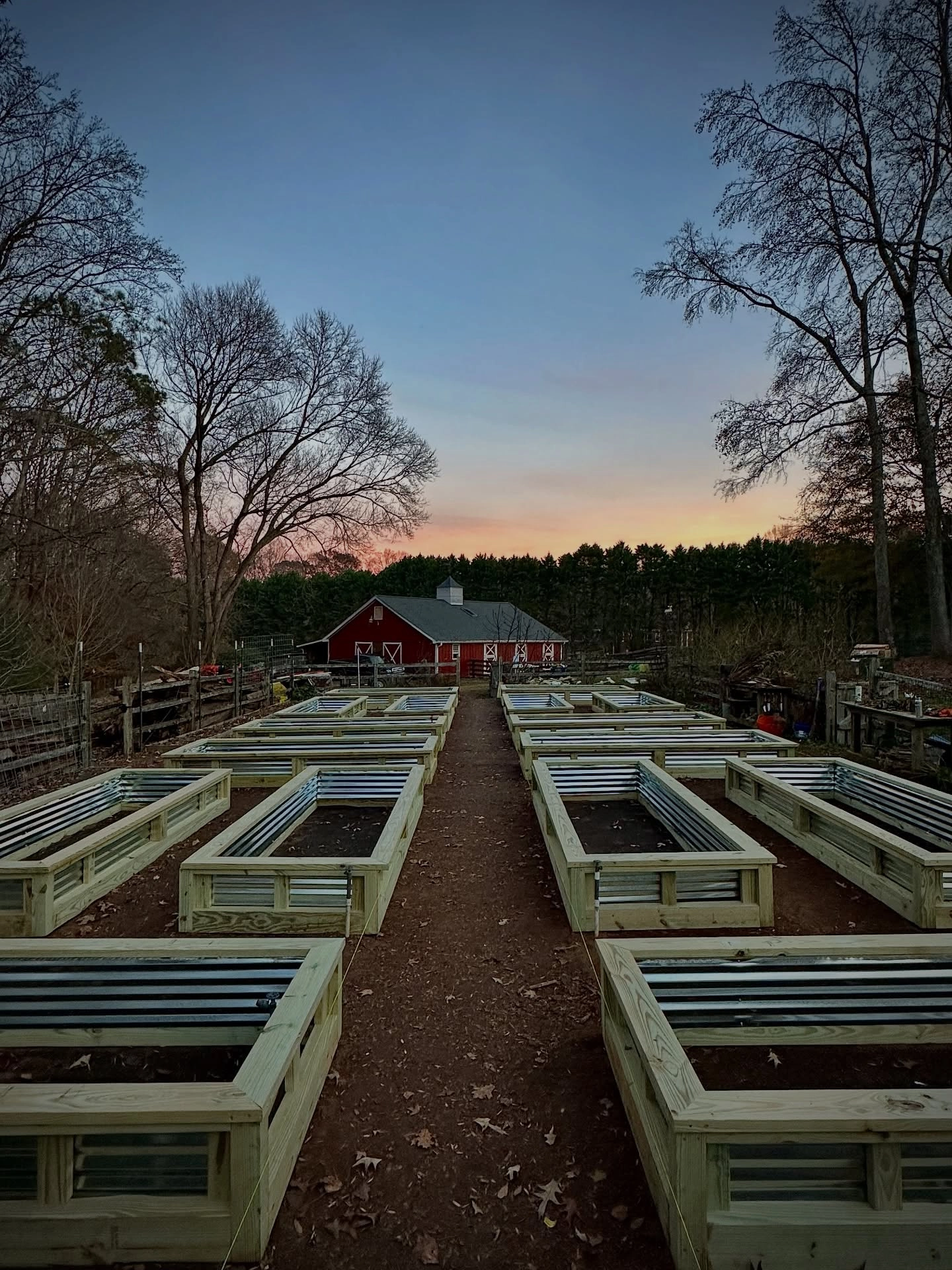
Garden costs creep through plants bought before the bones and soil are funded. A split budget stops the creep at the first receipt. Soil and bones take the crown because they are the parts that cannot be upgraded later without demolition.
Divide $10,000 into $3,000 for trees, shrubs, and structures, $2,500 for soil, compost, and bed building, $2,500 for perennials and planting, and $2,000 for paths, water, and finishing. Track every receipt against its column the same day. A column that hits its ceiling closes until something returns to the store.
| Line | Ceiling | Main Buys |
|---|---|---|
| Bones | $3,000 | Trees, shrubs, structures |
| Soil + beds | $2,500 | Compost, building |
| Plants | $2,500 | Perennials, planting |
| Paths + finish | $2,000 | Water, lights, extras |
Layout and Structure: Paths, Beds, and the Garden’s Shape
Structure is what winter reveals. This section curves, edges, and paths it. Every measurement reports to Tip 1’s map and Tip 3’s zones.
6. Curve the Beds and Deepen Them: Borders With Real Soil Volume
credit: @sowing_at_the_stoop
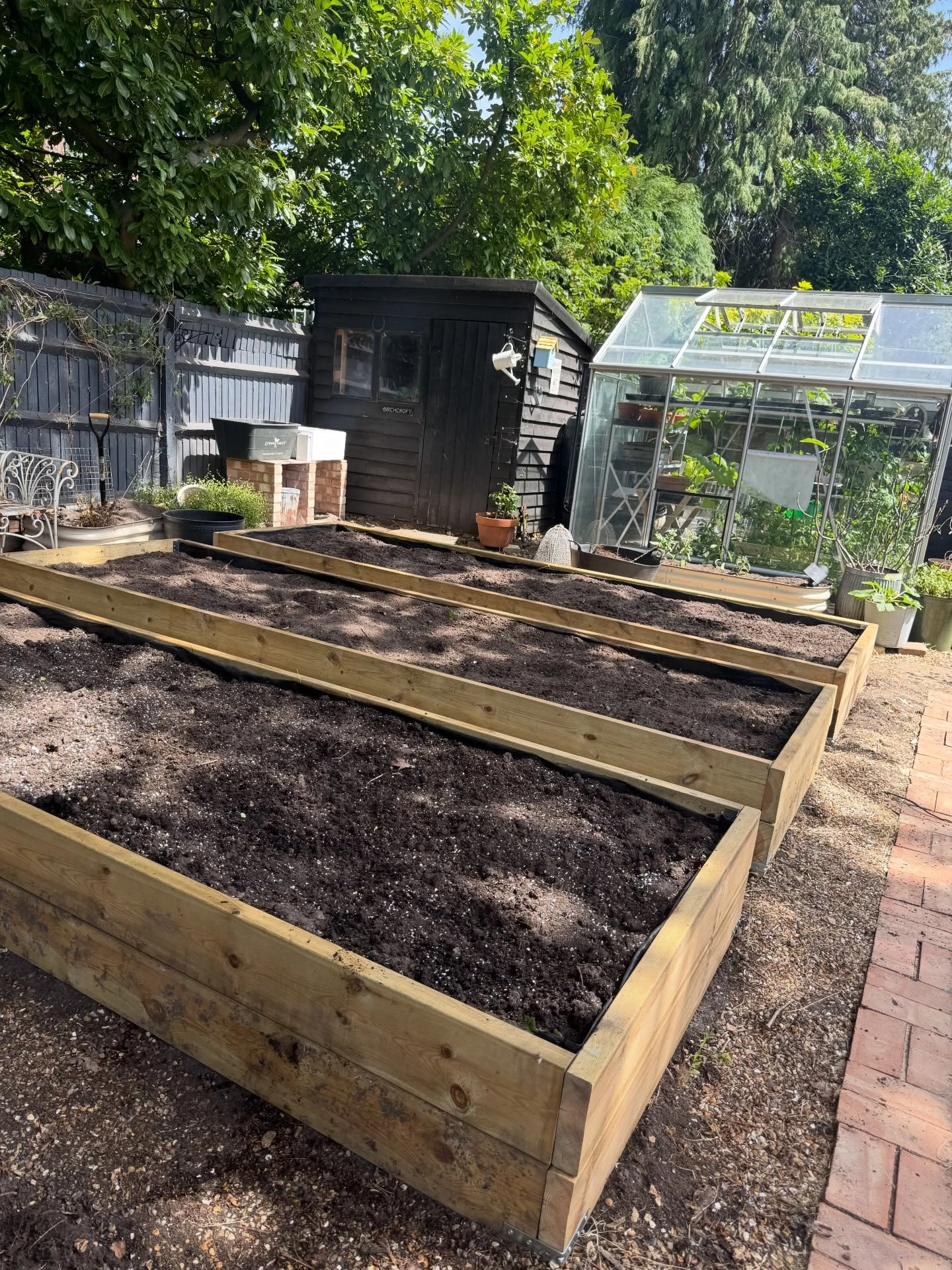
Beds are drawn in generous curves or the style’s clean geometry, and built deep, three to five feet of planting depth at minimum for layered borders, because shallow ribbons of soil grow shallow ribbons of garden. Curves are laid with a hose on the ground and lived with for a day before a spade touches earth. Deep beds hold moisture, hide the soil’s work, and let Tip 12’s layers stack like a theater’s rows.
Lawn shapes are designed as positive forms, an oval, a circle, a sweeping kidney, the beds being the frame and the lawn the picture. Corners too tight to mow are planted or paved without negotiation. This shaping is done once, on paper and hose, and it governs every photograph the garden ever takes.
| Bed Law | Depth | Shape |
|---|---|---|
| Borders | 3–5 ft minimum | Generous curves |
| Lawn | Positive form | Oval, circle, kidney |
| Tight corners | Planted/paved | Never mowed badly |
7. Lay Paths That Invite: Main Routes Wide, Garden Paths Intimate
credit: @darrellgulin
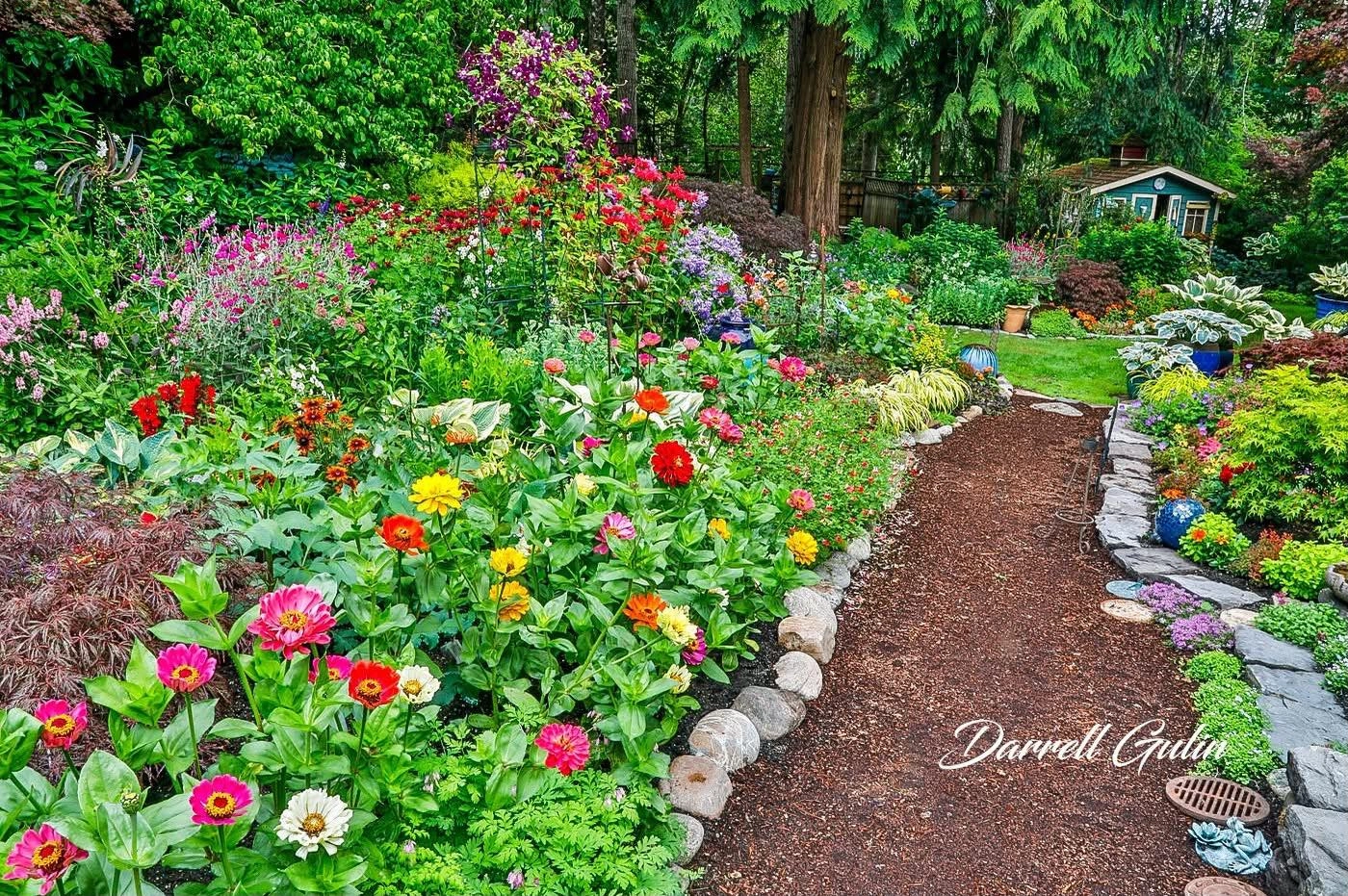
Paths follow the zones’ logic: main routes, door to shed, door to kitchen garden, at three to four feet wide in stone, gravel, or brick; intimate garden paths at two feet, stepping stones or bark, inviting a slower citizen. Path materials match the style’s bones, and every path leads somewhere with a reason, a bench, a gate, a bed worth weeding. A path to nowhere is corrected to a destination or removed with honors.
Edges are defined so gravel stays a citizen and mulch stays in its bed. Slopes take steps where the footing argues, safety outranking scenery. This network is the garden’s circulation and its invitation, walked ten thousand times and designed like it matters.
| Path Law | Width | Leads To |
|---|---|---|
| Main routes | 3–4 ft | Shed, kitchen garden |
| Garden paths | 2 ft | Bench, gate, beds |
| Nowhere paths | Corrected | Or removed |
8. Edge Everything: The Line Between Garden and Lawn
credit: @chrisettemichele
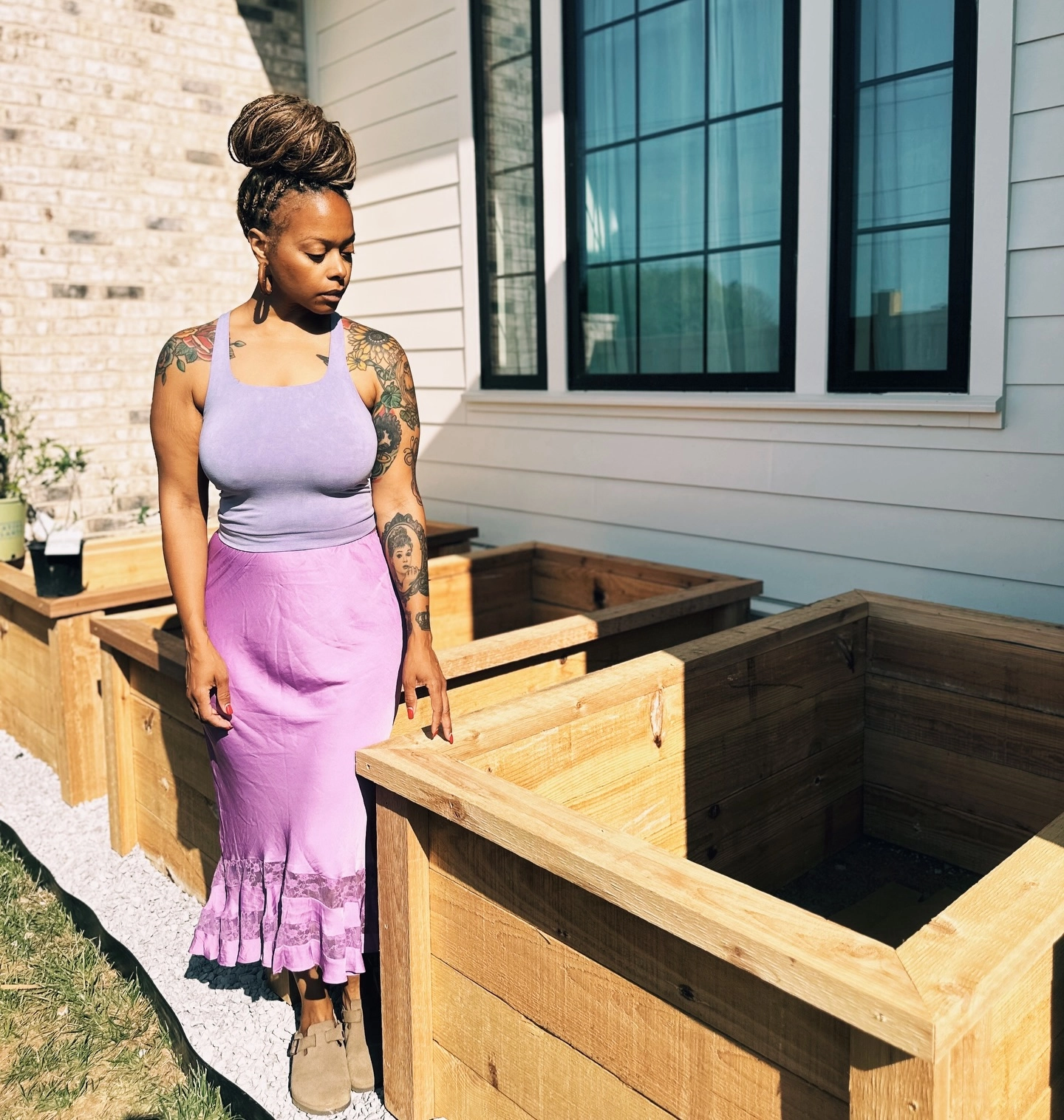
Every bed is edged, steel, stone, brick, or a clean-cut trench edge renewed each spring, because the edge is the garden’s handwriting and an unedged bed reads as an unfinished sentence. Edges stop the lawn’s invasion and the mulch’s escape, the two oldest border wars in gardening. The edging material joins the bones’ palette, invisible steel for the modern, stone for the cottage.
Trench edges are the budget’s champion, a spade’s work renewed in an hour each spring. Edges are installed level and true, wavy edging being worse than none. This line, maintained, is why some gardens look designed in February and others look abandoned until May.
| Edge Law | Materials | Wars Stopped |
|---|---|---|
| Steel/stone/brick | Bones’ palette | Lawn invasion |
| Trench edge | Spade, yearly hour | Mulch escape |
| Level + true | Installed straight | Wavy = worse |
9. Build Raised Beds Where Soil or Backs Argue

credit: @nikijabbour
Raised beds serve the kitchen garden and any soil that failed Tip 2: timber, stone, or metal boxes 8 to 12 inches deep at least, filled with real topsoil and compost, their paths wide enough for a wheelbarrow and a kneeling gardener. Beds are placed by Tip 1’s sun map, vegetables taking the garden’s sunniest citizenship. Corners are capped and paths mulched or graveled, the kitchen garden kept as tidy as a workshop.
Bed width stops at four feet, every plant reachable from a side without a foot in the soil. A water point stands at the beds’ heart, Tip 20 planning its line. This structure turns the worst soil in the yard into the best harvest, which is gardening’s favorite magic trick.
| Raised Law | Spec | Reach |
|---|---|---|
| Depth | 8–12 in | Topsoil + compost |
| Width | Max 4 ft | Both sides |
| Water | At the beds’ heart | Point planned |
10. Plant the Boundaries: Hedges, Screens, and the Borrowed Landscape

credit: @williamlinyc
Boundaries are planted as living walls: hedges for the formal bones, mixed shrub screens for the natural, climbers on fences for the small garden’s vertical estate. Privacy is planted at the sight lines that matter, the neighbors’ windows and the street’s angles, rather than uniformly at fortress cost. Beyond the fence, borrowed landscape, a neighbor’s tree, a distant hill, is framed as the garden’s own backdrop, views being free square footage.
Evergreen bones in the screen keep winter’s privacy honest. Planting distances respect mature widths, a screen being a five-year promise, not a spring purchase. This greening of the edges is what turns a yard into a room, walls being the definition of both.
11. Give the Garden a Destination: The Seat at the End of the Path

credit: @standing.pine.acres
Every path ends somewhere worth arriving: a bench under the tree, an arbor’s seat, a small terrace with two chairs and the evening’s best light. The destination is furnished before it is planted around, its view composed like a painting with the garden as its subject. A destination justifies the paths, the zones, and the whole design in one piece of furniture.
The seat’s planting is the garden’s most considered border, seen at sitting height for the longest hours. A side table and a lantern complete the room. This is the garden’s living room, and it is placed where Tip 1’s sun map says the evening is kindest.
Planting Design: Layers, Seasons, and the Kitchen Garden
Plants are the garden’s citizens. This section layers, drifts, and feeds them. Every planting reports to Tip 1’s sun and Tip 2’s soil.
12. Plant in Layers: Trees, Shrubs, Perennials, and Ground Cover

credit: @jannarden
Every border is planted in receding layers: trees and tall shrubs at the back as the skyline, mid shrubs and tall perennials as the body, low perennials and grasses as the front, ground cover knitting the soil between. Heights descend toward the path so every citizen is seen and shaded by none but the intended. Layers are planted at mature sizes on the plan, the drawing done at year five, not at purchase day.
Evergreen layers carry the winter portrait, at least a third of the bones staying dressed in January. Gaps are filled by the ground cover’s patience, not by crowding the young. This layering is the garden’s whole visual intelligence, a hillside composed by hand.
| Layer Law | Position | Citizens |
|---|---|---|
| Back | Skyline | Trees, tall shrubs |
| Middle | Body | Shrubs, tall perennials |
| Front | Edge | Low perennials, cover |
13. Drift and Repeat: Plant in Groups, Repeat Them Everywhere
credit: @embellishedelegance1
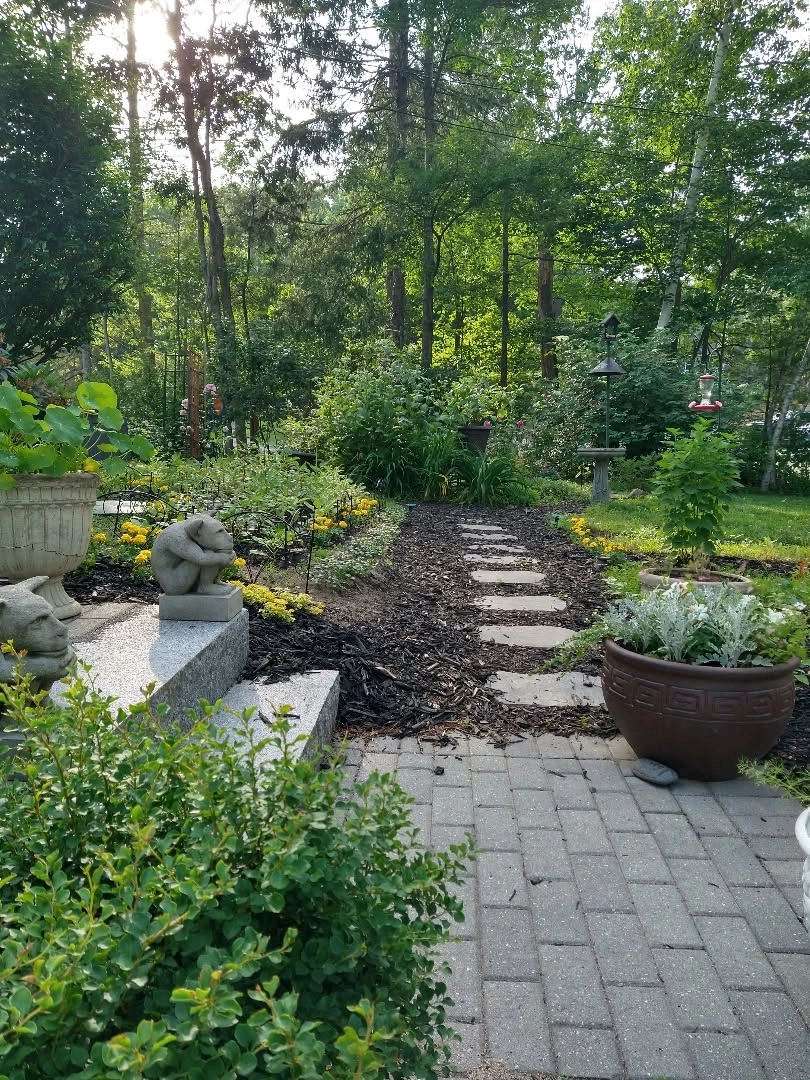
Plants are bought and planted in drifts, threes, fives, and sevens of one kind sweeping through a bed, never in single specimens dotted like sprinkles. Key plants repeat in every bed, the garden’s signature citizens, so the whole backyard reads as one mind’s work. Repetition is the cheapest design tool in gardening, one good plant bought twelve times out-designing twelve plants bought once.
Odd numbers compose, even numbers march, the file’s planting plans drawn in drifts from the start. A plant that thrives is divided and repeated free, Tip 31’s economy. This discipline is why nursery impulse buys are auditioned against the drift list before they are carried to the car.
| Drift Law | Groups | Repeats |
|---|---|---|
| Threes, fives, sevens | One kind sweeping | Every bed |
| Signatures | Key plants | One mind’s work |
| Singles | Never dotted | Sprinkles banned |
14. Plan Four Seasons of Interest: The Succession Calendar

credit: @rogue_engineer
Planting is scheduled across the year: spring bulbs and blossom, early summer’s roses and salvia, high summer’s grasses and dahlias, autumn’s color and seed heads, winter’s bark, berries, and evergreen bones. Every month owns at least one star per bed, the calendar written in the file bed by bed. Succession planting, annuals tucked where perennials rest, keeps no bed unemployed.
Deadheading and cutting back are calendared with the stars, maintenance riding on the succession plan. Bulbs are planted in drifts in autumn, spring being bought in October like everything wise. This calendar is the difference between a garden with a season and a garden with a year.
| Season Law | Stars | Notes |
|---|---|---|
| Spring/summer | Bulbs, roses, dahlias | Succession tucked |
| Autumn | Color, seed heads | Standing food |
| Winter | Bark, berries, evergreen | A third dressed |
15. Grow the Kitchen Garden Seriously: Beds, Herbs, and the Door’s Harvest
credit: @homegarden_transform
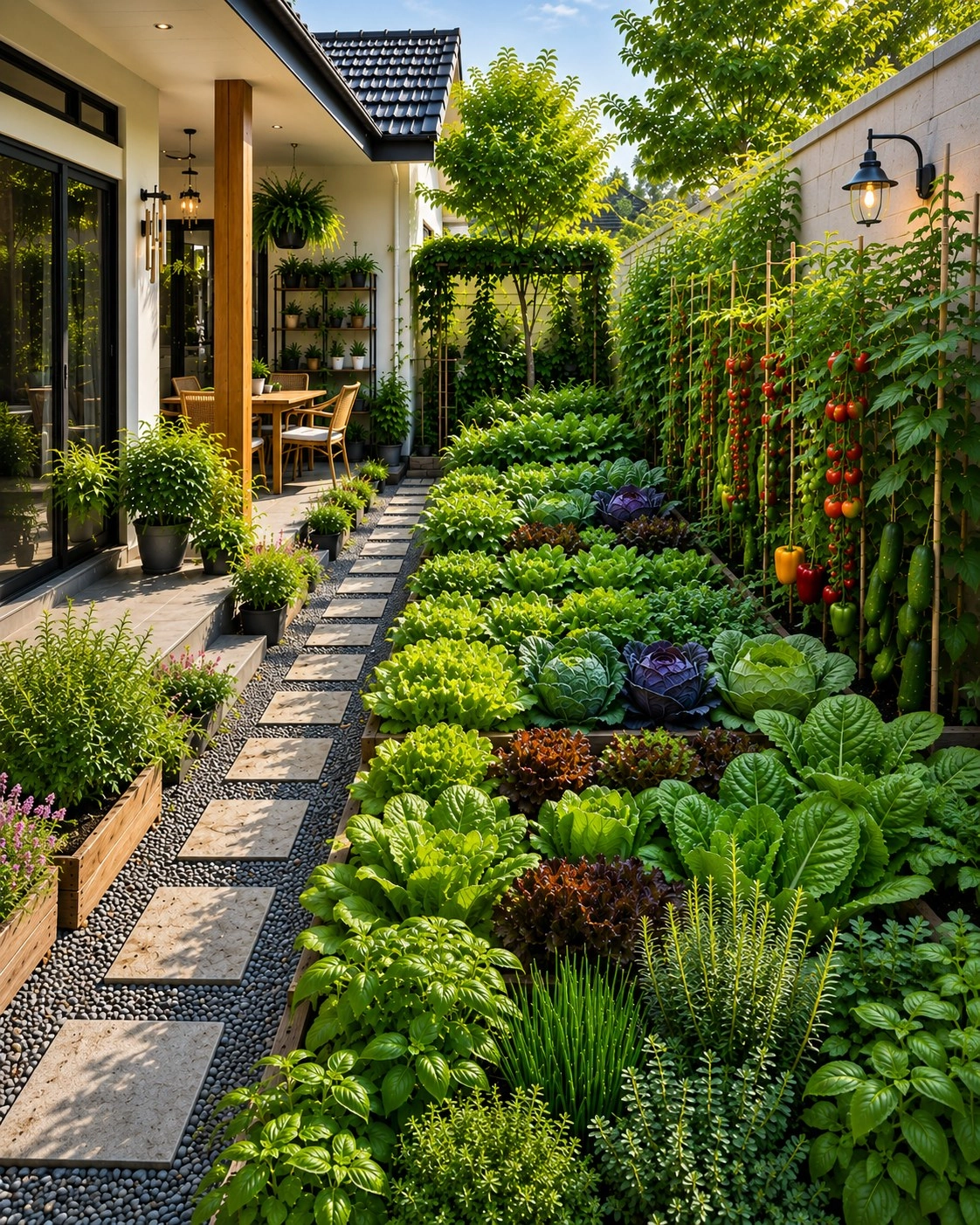
The kitchen garden is placed at the sunniest zone near the kitchen door, its beds or containers planted in the household’s real menu: tomatoes, salads, herbs at arm’s reach, the crops the family actually eats weekly. Succession sowing keeps salads continuous, and one indulgence crop, asparagus, berries, the fig, takes the permanent corner. Herbs live nearest the door of all, snipped in the rain at a run.
A cold frame or cloche extends the season at both ends for the price of a window. The kitchen garden’s failures are composted and its notes filed, Tip 26, each year out-yielding the last. This zone pays rent in flavor, the garden’s most persuasive argument at the dinner table.
16. Garden the Shade With Its Own Stars: Hostas, Ferns, and Woodland Layers

credit: @folkslinger
Shade is planted with its specialists: hostas in their sizes and blues, ferns as living lace, hellebores for the winter flowers, woodland bulbs and ground covers knitting beneath. Shade gardens run cooler palettes, white and silver flowers glowing at dusk like the moon’s own planting. Dry shade under trees is answered with the toughest citizens and Tip 20’s water, never with thirstier wishes.
Variegation is shade’s jewelry, light leaves doing the sun’s work in its absence. The shade border’s seat, Tip 11’s destination, sits in the garden’s coolest room. This planting turns the map’s problem zones into the garden’s most restful beauty, shade being a style, not a sentence.
17. Feed the Wild Citizens: Pollinator Drifts, Berries, and Water
credit: @susansinthegarden
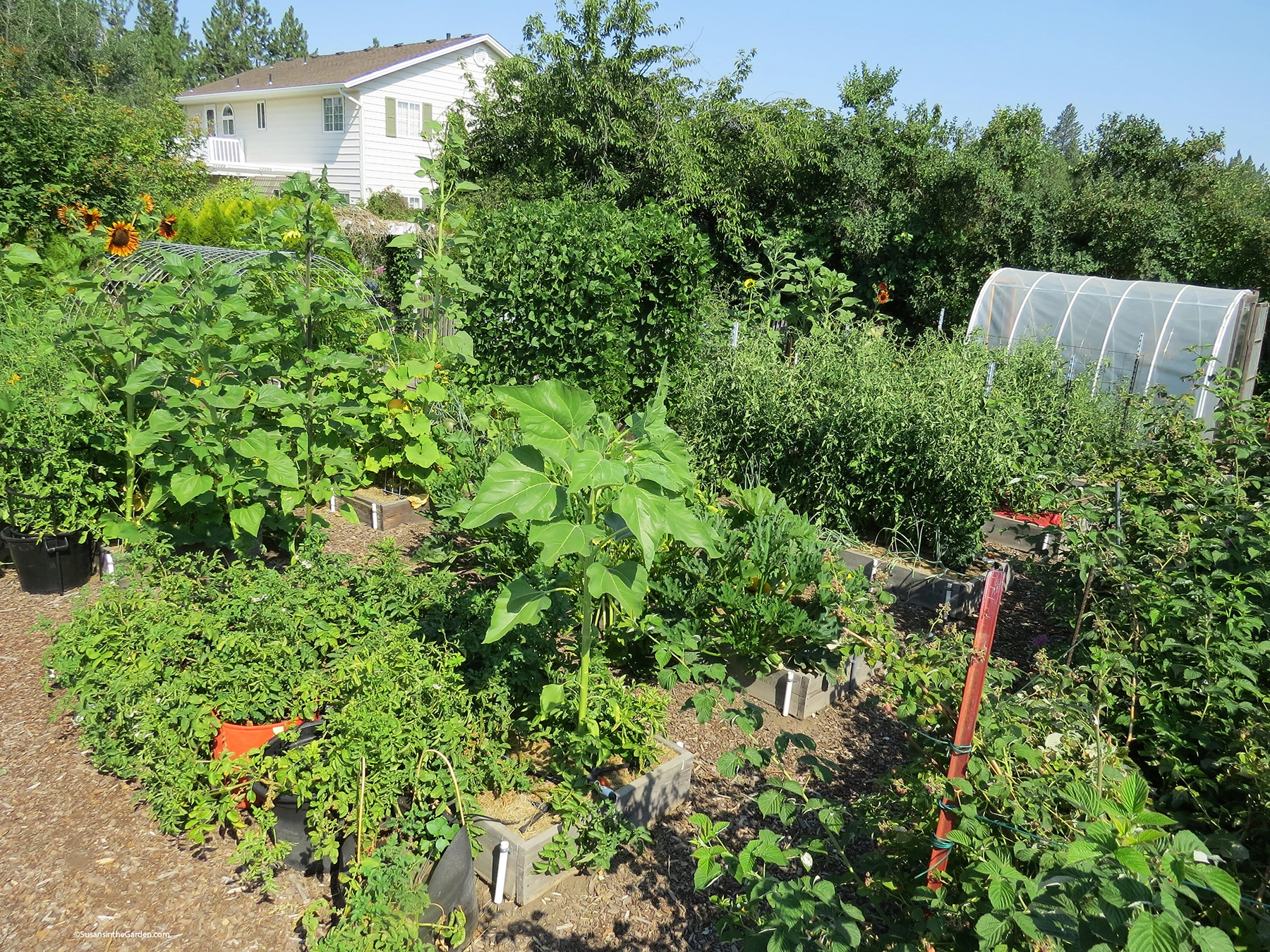
The garden hosts its workforce: pollinator drifts of single flowers in long succession, berry shrubs for the birds, a shallow water dish or the fountain of Tip 19, and one unmown, unsprayed corner where the wild files its claim. Chemical restraint is the zone’s law, the workforce being poisoned by the tools that claim to help it. Children are given this corner as their university, its citizens teaching daily.
Native plants anchor the menu where the region’s citizens require them. Seed heads stand through winter as food and architecture both. This hospitality is the garden’s ecology and its entertainment, the seats of Tip 11 facing the show.
Rooms and Features: Water, Fire, Food, and Rest
Features give the garden its occasions. This section waters, seats, and lights them. Every feature reports to Tip 3’s zones.
18. Seat the Garden Like a House: Dining, Lounging, and the Hammock
credit: @chefsymon
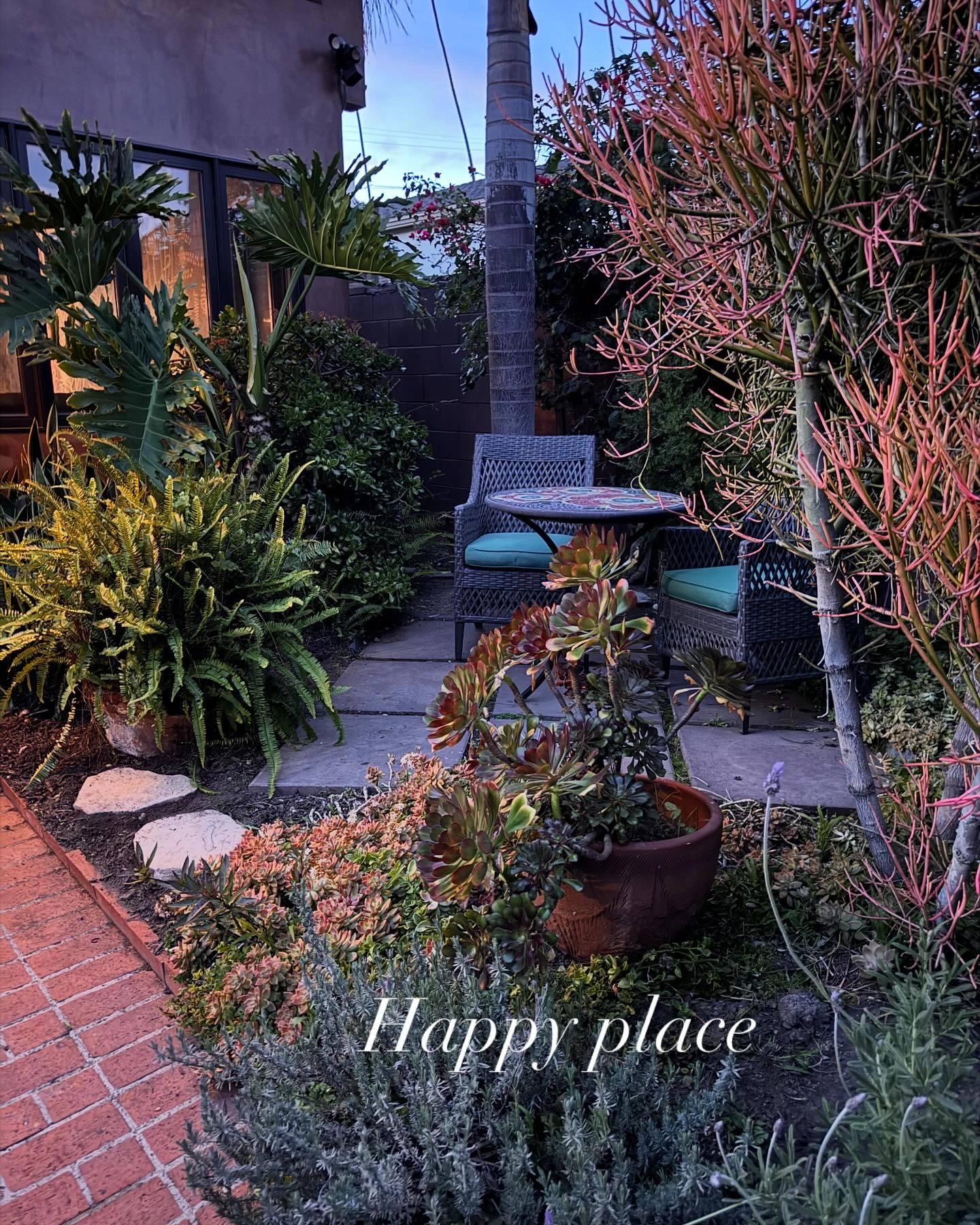
Outdoor rooms are furnished by purpose: a dining set where meals actually happen near the kitchen garden’s harvest, loungers in the sun’s best hours, a hammock or swing in the shade’s. Furniture scale matches the garden’s rooms, and every seat is given a view and a surface for a drink, hospitality’s minimum wage. The rooms are placed on Tip 7’s paths, a seat off the network being a seat unvisited.
Cushions and textiles store dry by the house’s system, beauty surviving weather by logistics. One seat is kept sacred for the gardener alone, the morning inspection’s throne. This furnishing turns the garden from a view into a venue, which is the whole point of building it.
19. Add Water Somewhere: A Fountain, a Pond, or a Birdbath’s Music

credit: @lolas_custom_designs
Water enters at any scale: a small pond with a planted edge where space and safety allow, a fountain or bubbling pot at a destination, a birdbath where the budget is a bowl. Moving water masks the street, cools its corner, and summons the wild citizens of Tip 17 like a rumor. Children’s safety governs depth and access absolutely, ponds fenced or forgone where the household’s small citizens require.
The water’s sound is tuned at installation, a louder or softer fall by stone and flow. Reflections double the planting at no cost, water being the garden’s mirror. This feature is the garden’s music, and even its smallest version changes every evening it runs.
20. Water the Garden Wisely: Points, Drip, and the Rain’s Harvest
credit: @djmaseo
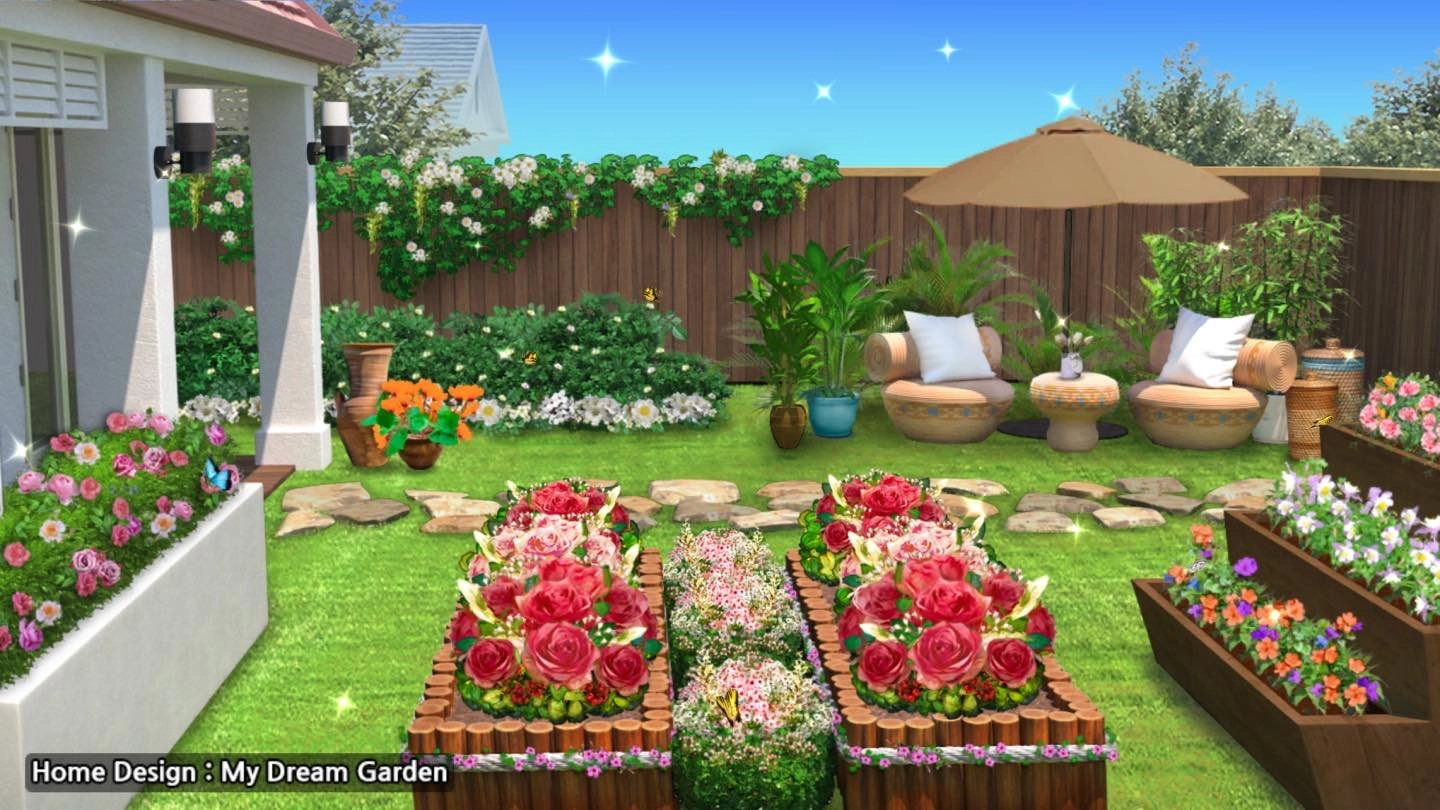
Irrigation is planned as infrastructure: outdoor taps where the zones need them, drip lines in the beds delivering water to roots without wetting leaves, soaker hoses in the kitchen garden, and rain barrels at the downspouts harvesting the roof’s gift. Watering happens at morning, deeply and less often, training roots downward. Mulch, Tip 29, is the irrigation’s partner, every watered inch kept covered.
Timers serve the holidays, the garden surviving its gardener’s vacations. New trees and shrubs get their deep drinks on the calendar for two full years. This system is invisible in photographs and present in every August, which is when gardens are truly judged.
21. Light the Garden for Evening: Paths, Uplights, and the Seat’s Glow
credit: @nigellalawson
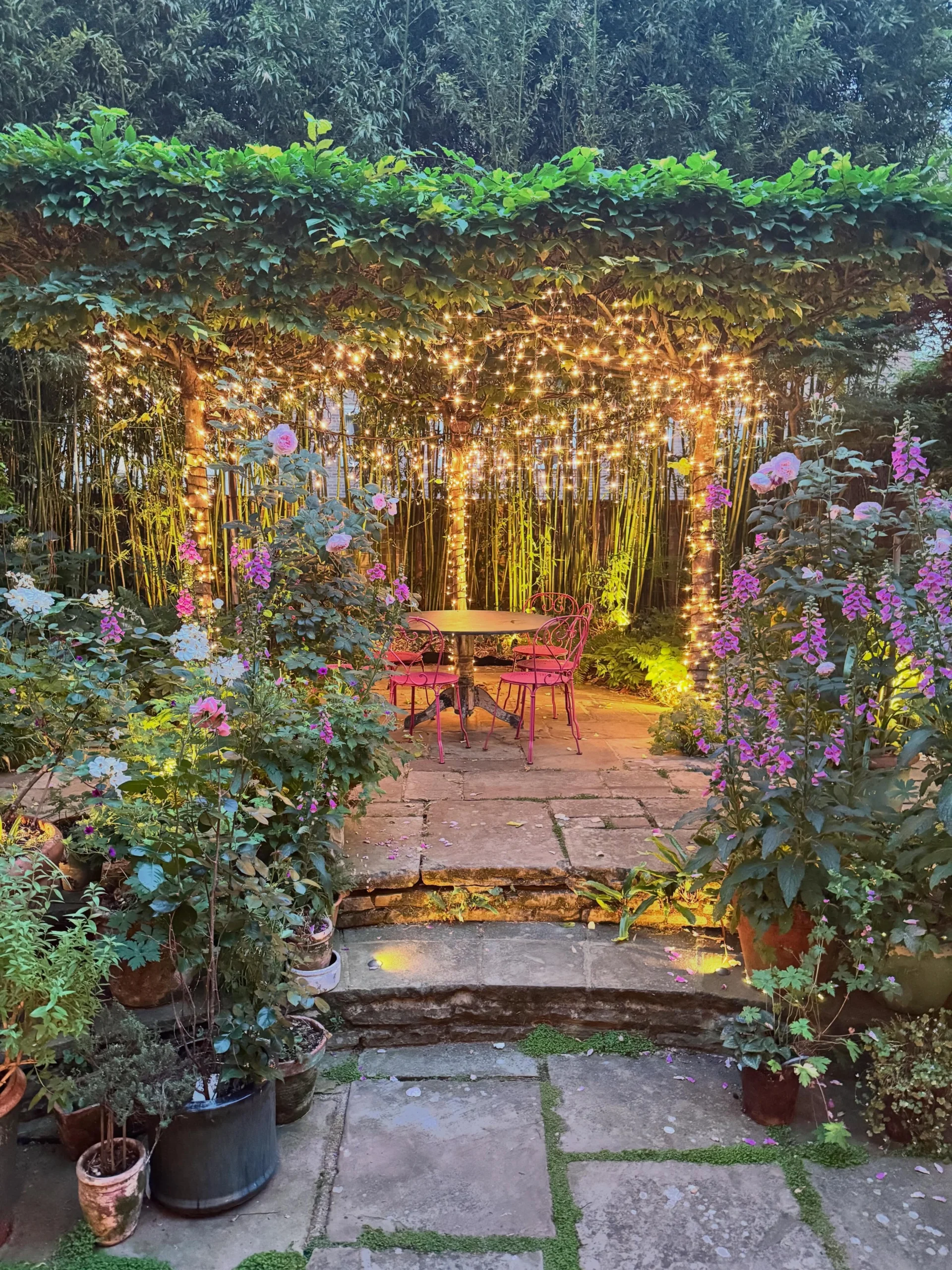
Evening light extends the garden’s day: low path lights at steps and bends, uplights in the bones’ best trees and shrubs, a lantern at the destination seat, and string lights only where festivity lives. Light is warm, sparse, and aimed, darkness between the pools being the garden’s night architecture. Solar serves the far corners; wired light serves the main stage where reliability matters.
Neighbors and the night sky are respected, light kept in the garden and out of windows. Timers retire the show at a civilized hour. This lighting turns the summer garden into a second evening home, its rooms re-read by lantern light.
22. Screen the Utilities and Honor the Work Corner: Shed, Compost, and Storage
credit: @gregwittstockthepondguy
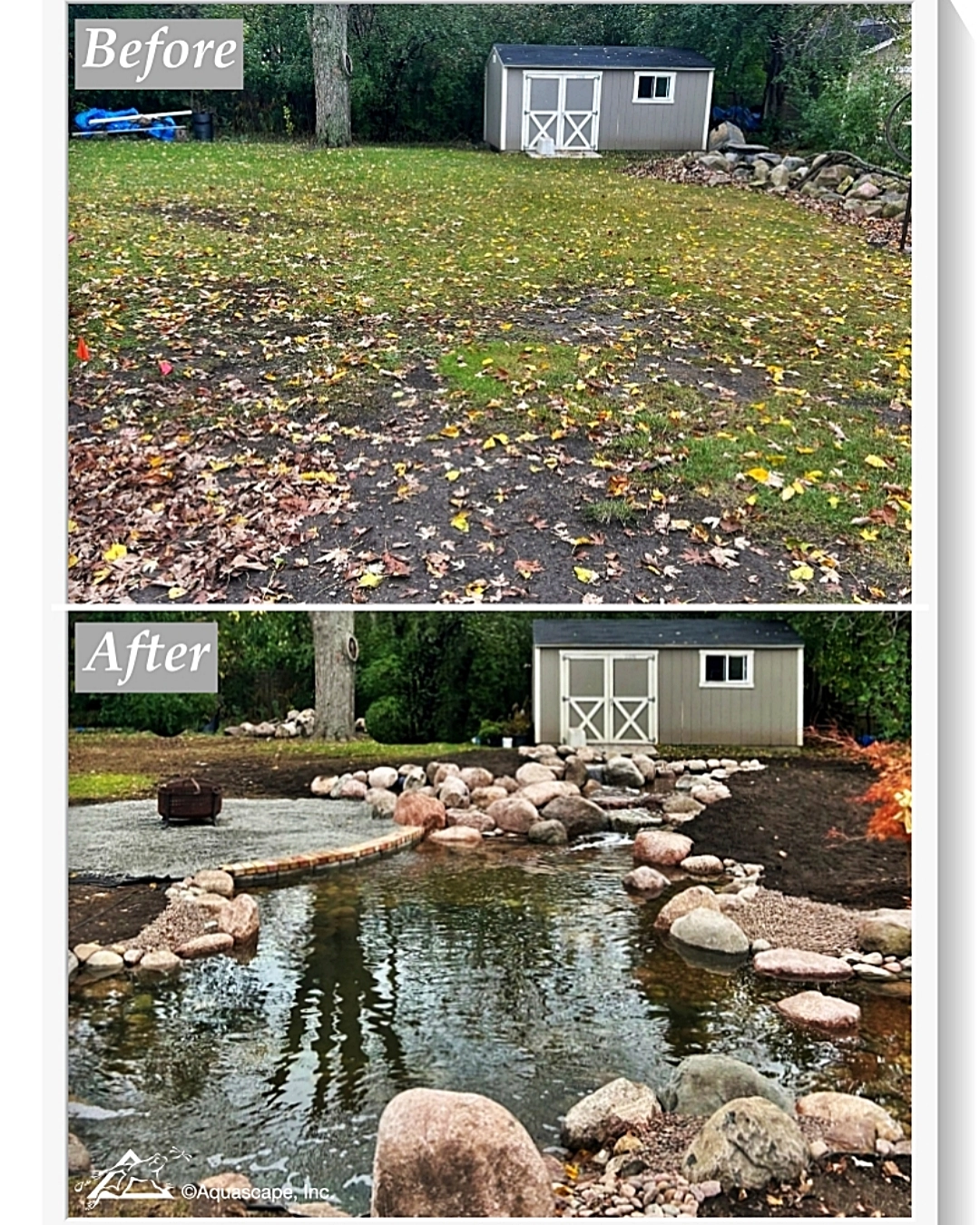
The garden’s backstage is designed, not apologized for: the shed painted in the bones’ palette, compost bins screened by a hedge or a fence panel, tool storage at the work corner near the kitchen garden, and bins and hoses given homes. A beautiful work corner makes the work likelier, tidiness being a gardening tool. The screen planting is evergreen, backstage being a year-round production.
The potting bench lives here with its soil and pots stacked like a workshop’s pride. Deliveries and the wheelbarrow have their route, Tip 7’s main path serving the backstage too. This honesty, infrastructure designed rather than hidden in shame, is the mature garden’s signature.
Backyard Garden Styling and Finishing Touches
The garden is built and planted. This section runs the styling pass: focal points, containers, and the view from the house. A backyard garden is finished when it composes from every window and rewards every season.
23. Place Focal Points Like Punctuation: One Per View, Never a Crowd
credit: @unique_garden_ideas
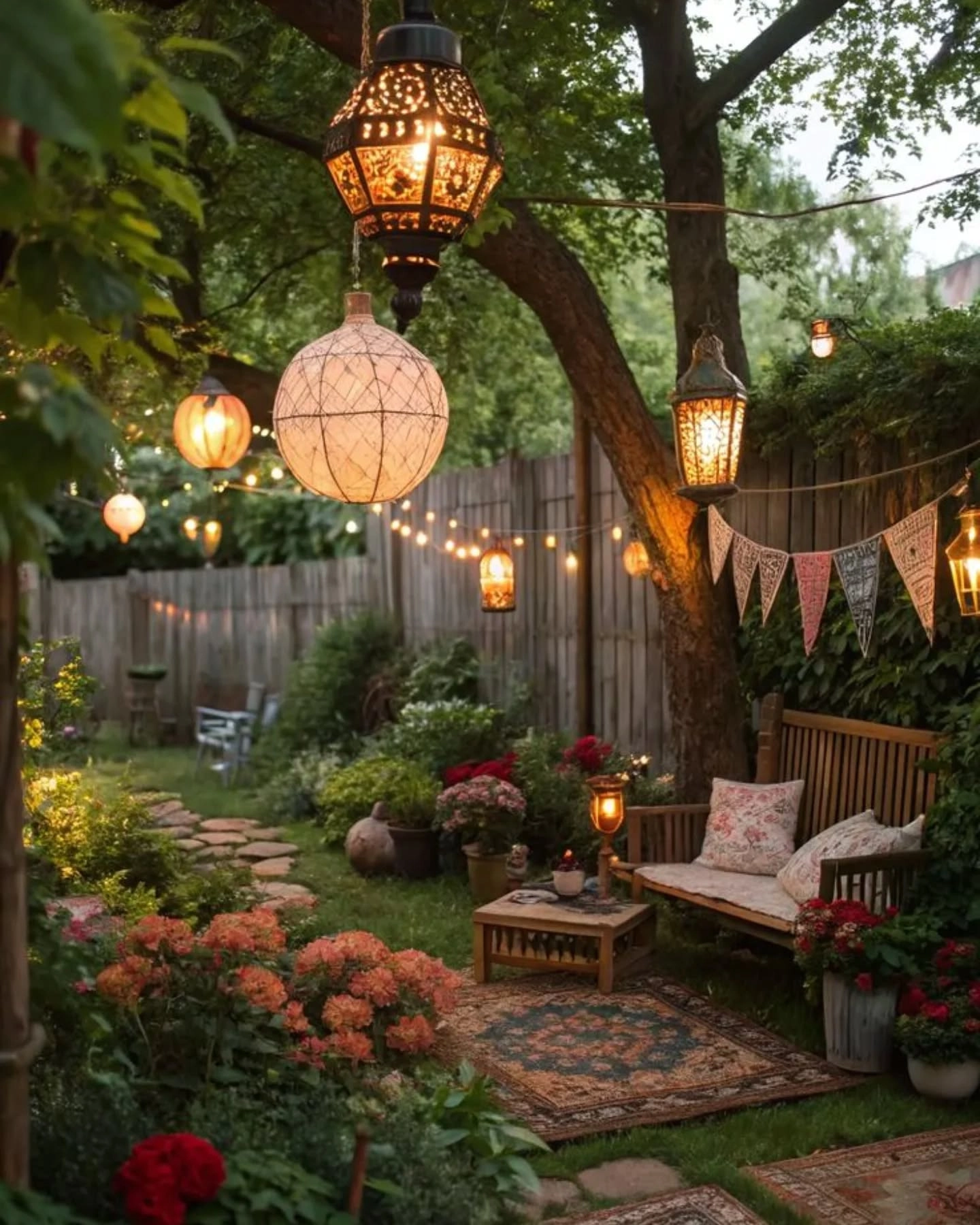
Each view, from the house, the gate, and the destination seat, gets one focal point: a specimen tree, an urn, a fountain, a sculpture, an arbor’s frame. Focal points terminate paths and anchor beds, their scale matched to their viewing distance. Two competing focal points in one view cancel each other like two sopranos, the file’s map keeping the casting honest.
A focal point is lit or planted around with its frame, the supporting cast chosen to point at it. Seasonal focal points, the spring tree, the autumn maple, rotate the honor by calendar. This punctuation is what makes a garden read as composed prose instead of a list of plants.
24. Style With Containers at the Thresholds: Pots That Travel With the Seasons
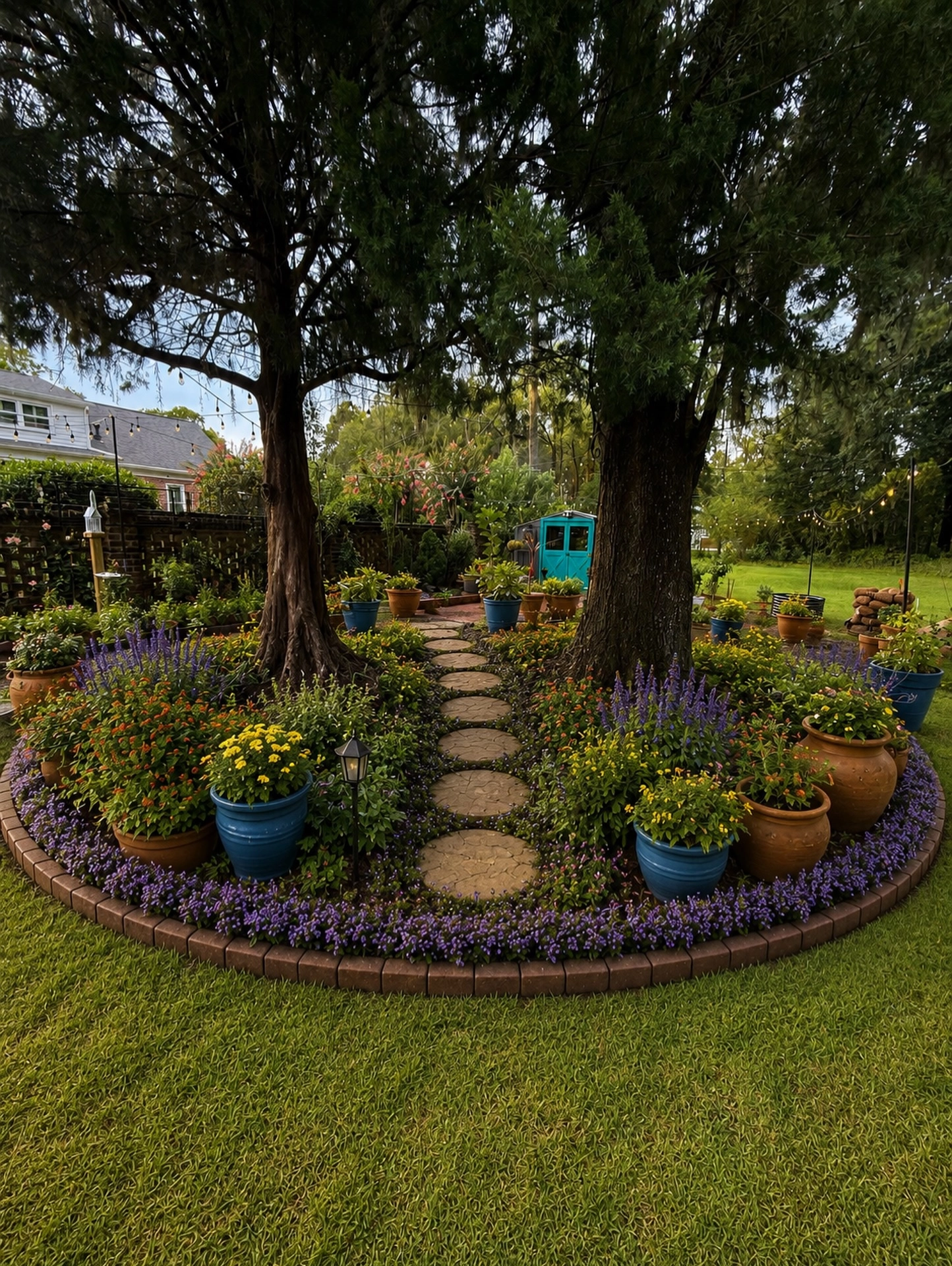
credit: @antthonymarkhankins
Containers dress the garden’s thresholds, the door, the path’s turns, the destination: pots in the bones’ material family, planted seasonally, tender citizens overwintering indoors. Container groups obey the cluster grammar, three heights, one palette, never a lonely pot in a lawn’s ocean. Drip or a watering route serves them, pots being the garden’s thirstiest citizens.
One great pot outranks five small ones at any threshold, scale being the container’s eloquence. Pots are refreshed by Tip 14’s calendar, spring bulbs to summer color to autumn texture. This mobility lets the garden’s fashion change without its bones ever moving, the stylist’s favorite arrangement.
25. Compose the View From the House: The Garden’s Most-Seen Painting
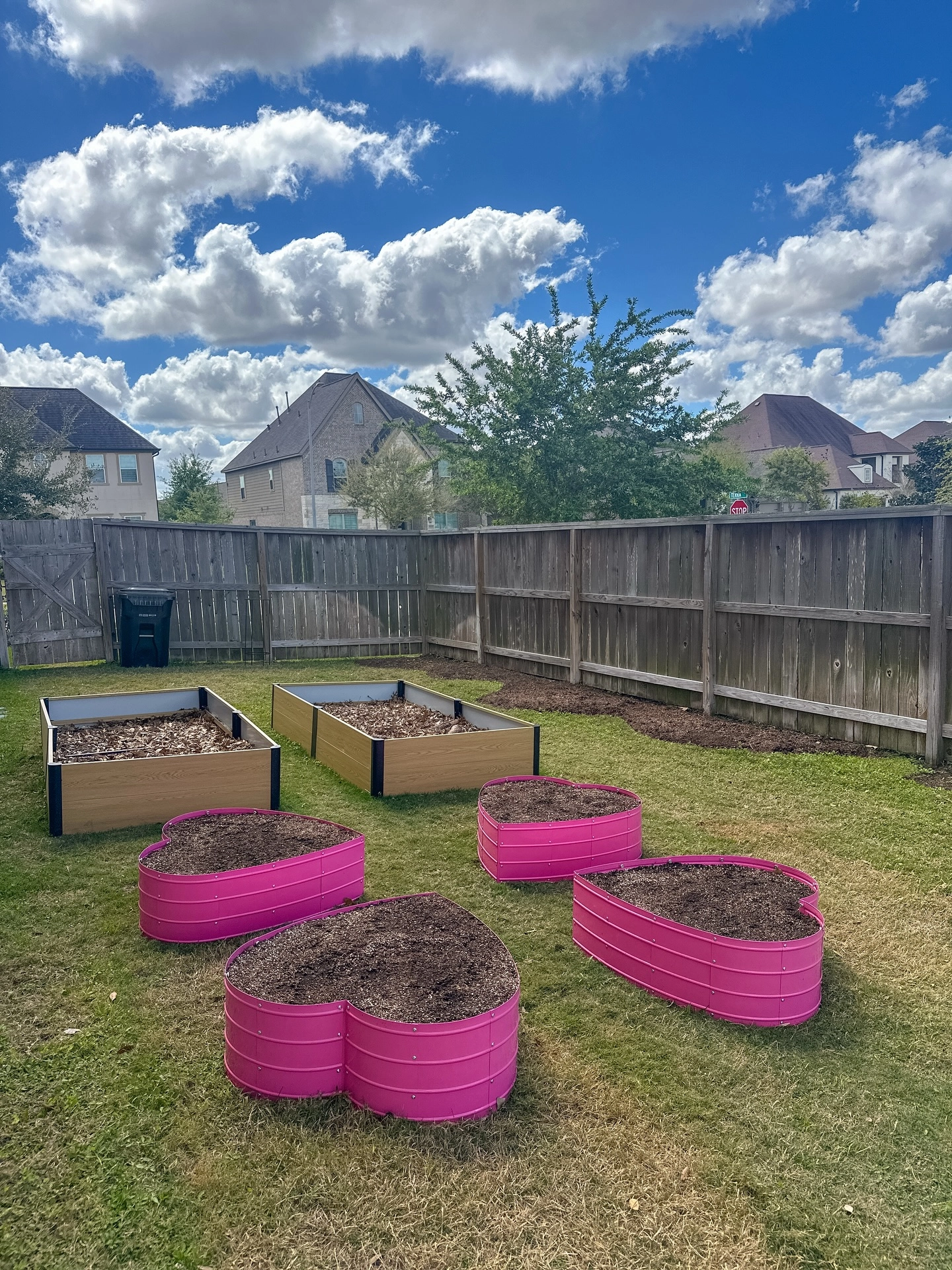
credit: @officialkyndall
The garden’s chief composition is the one from the kitchen window and the main door: layers descending, the focal point placed, the kitchen garden’s order and the flower beds’ drifts arranged for this audience of every day. Planting heights are checked from inside, seated and standing, because a garden designed only from within itself misses its largest gallery. Winter’s view is composed too, the bones and the bird citizens carrying January’s painting.
A window box or the nearest bed takes the palette’s best flowers, proximity earning the finest casting. The view is photographed in four seasons for the file, the garden’s portrait gallery. This composition discipline is why some backyards look designed from the sofa and others only from the shed.
26. Photograph the Garden and Keep the Garden File

credit: @bunnywilliamshome
The garden is photographed monthly from its fixed points, the house view, the gate, the destination, and the file is completed: the sun map, soil results, zones, planting plans with varieties and dates, and the succession calendar. The file is the garden’s memory, plants outliving their labels and gardeners their recollections. Photographs catch the drift that thins and the shrub that swallows a path while fixes are one pruning away.
Plant labels are photographed before they fade, the file holding the varieties’ true names. Failures are recorded with their autopsies, the file’s most valuable pages by spring. A garden with a file improves yearly; without one, it repeats its tuition.
27. Edit Ruthlessly: Move, Divide, or Remove What Does Not Earn Its Place

credit: @drallylouks
Gardens are edited like prose: the plant in the wrong light is moved once and removed the second time, the thug is divided and shared, the bed that fails twice is redesigned rather than replanted. Editing days are calendared in spring and autumn, the file’s notes as the brief. Sentiment is honored with photographs, the garden itself owing its loyalty to the living.
Divisions stock the drifts of Tip 13 free, the garden funding its own expansion. A plant that thrives in the wrong place is information, the map corrected by its evidence. This ruthlessness, kindly administered, is why mature gardens look inevitable, every citizen having earned its citizenship twice.
28. Let It Mature: The Three-Year Rule and the Gardener’s Patience

credit: @telekinesis.energywork
The garden is judged on the three-year rule: the first year it sleeps, the second it creeps, the third it leaps, perennials and shrubs keeping this calendar with religious fidelity. Gaps in year one are filled with annuals, not with doubt, and the bones are left to their growing. Photographs from Tip 26 prove the progress on the days the gardener cannot see it, growth being invisible at daily range.
Replanting a young garden is the costliest impatience in the hobby, the file’s calendar defending the plan. The gardener’s job in the waiting years is water, mulch, and editing, Tip 29’s rounds. This patience is the final skill in the guide, and the one the garden itself teaches best.
Backyard Garden Care, Calendars, and Seasonal Rounds
A garden is a calendar with plants. These habits mulch, prune, and schedule it. Each one protects the bones and the body.
29. Mulch Everything, Feed the Soil, and Let the Earthworms Manage

credit: @theprovisionedhome
Beds are mulched two to three inches deep, compost, bark, or leaf mold, kept from stems and trunks, suppressing weeds, holding water, and feeding the soil’s citizens as it rots. Soil is fed with compost yearly, the jar test’s lessons renewed, chemicals being the last resort of a garden whose soil was never fed. Earthworms are the management team, mulch being their wages.
Mulch is topped up as it thins, the round calendared with spring’s edge renewal. Bare soil is treated as an unfinished sentence wherever it appears. This feeding is the garden’s whole health system, most plant problems being soil problems wearing costumes.
30. Run the Seasonal Rounds: Prune, Deadhead, Sow, and Protect on Schedule

credit: @suzybogguss
The year runs in rounds: spring’s edges, divisions, and first sowings; summer’s deadheading, watering, and succession sowing; autumn’s bulbs, leaf harvest, and tender rescues; winter’s pruning, planning, and seed catalogs by the fire. Each round is written in the file with its month, the garden’s operations calendared like a farm’s. Missed rounds compound like interest, the calendar being the gardener’s true tool.
Pruning follows each plant’s own calendar, spring bloomers after flowering, the file holding the list. Protection, fleece, mulch mountains, pot rescues, happens before the first hard frost’s appointment. This rhythm is why some gardens look inevitable and others look accidental, the rounds being the difference.
31. Divide, Share, and Propagate: The Garden That Funds Itself
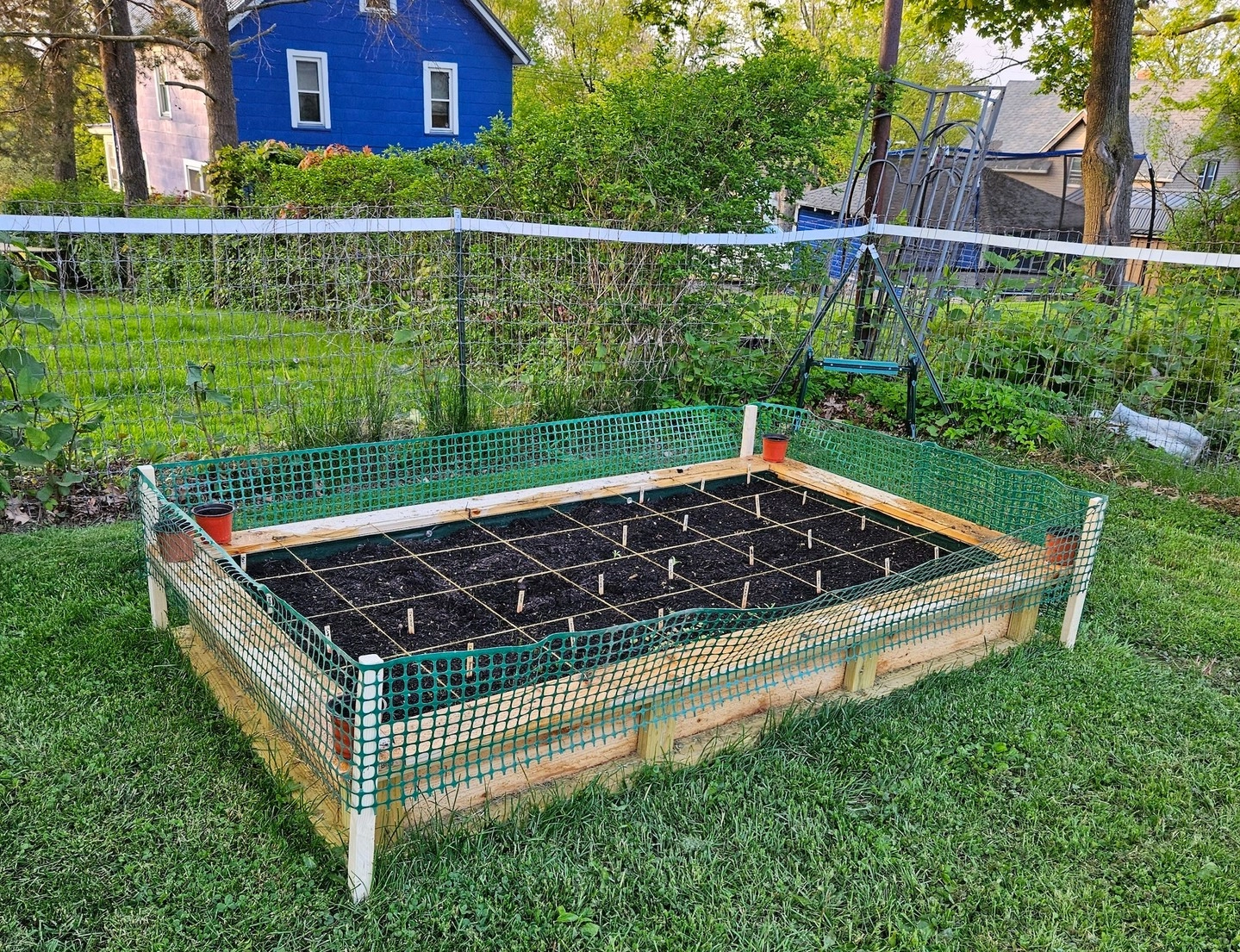
credit: @theoldfarmersalmanac
Perennials are divided when they thin at the center or outgrow their drift, the spares replanted, shared with neighbors, or traded for their citizens in return. Cuttings, seeds, and layers multiply the signature plants, Tip 13’s repetitions stocked from the garden’s own nursery corner. Every division is recorded, the drifts’ ages tracked like a family’s.
A plant exchange with one neighbor doubles both gardens’ palettes at zero cost. Seeds of the best annuals are saved labeled, next year’s jewelry minted in autumn. This economy is the mature garden’s quiet wealth, beauty compounding like interest.
32. Winterize and Dream: Protect, Record, and Plan the Next Year
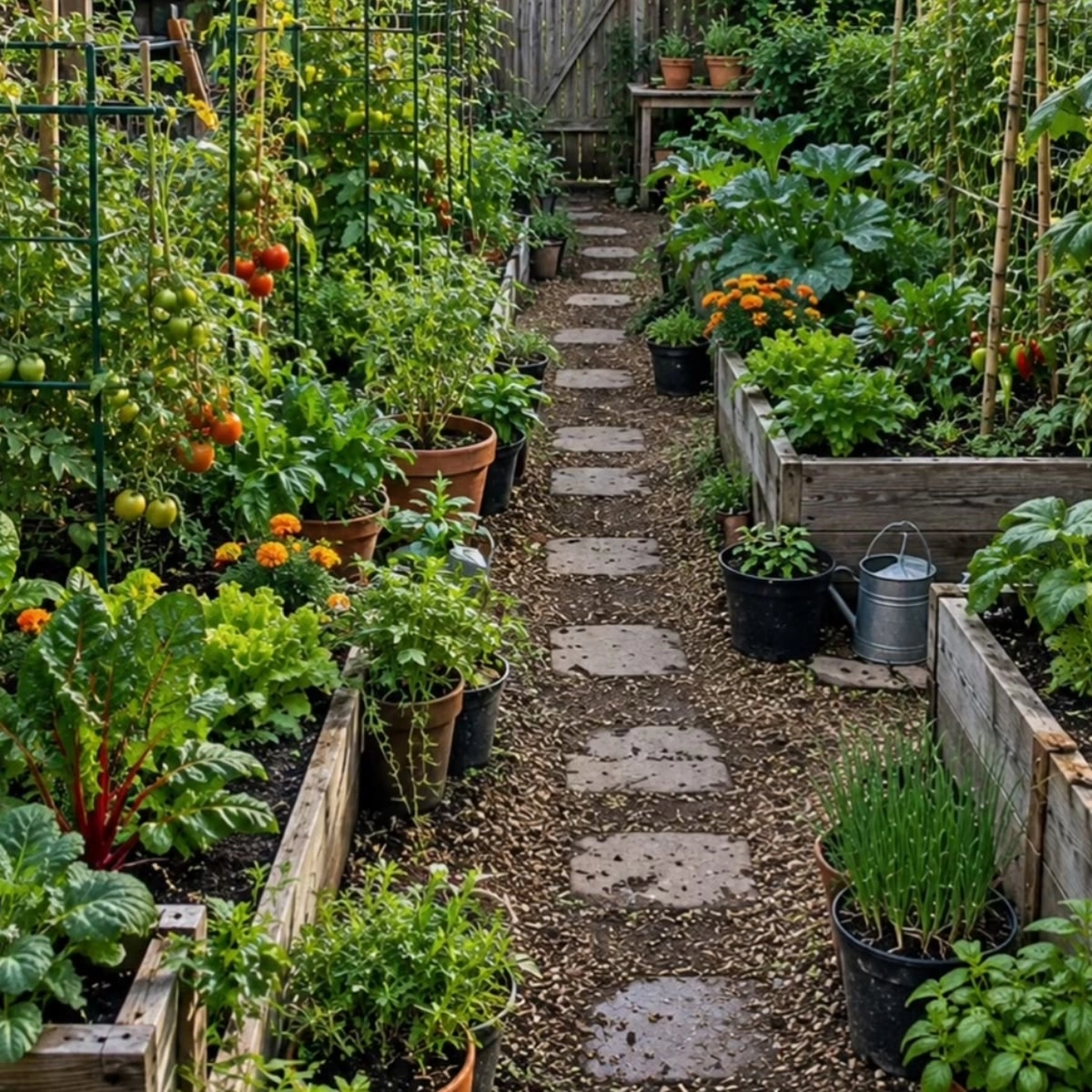
credit: @hanginggardencompany
Winter closes the garden deliberately: tender pots indoors, taps drained and drip lines blown or stored, tools cleaned and oiled in the work corner, and the year’s file completed with its victories and autopsies. The dreaming season follows, catalogs and the plan for next year’s one big project, gardens being designed in January as surely as in May. Spring’s first round is calendared before the snow melts, the year already turning.
The winter garden is visited and enjoyed, its bones earning their budget line in the grey months. A bird feeder at the house view pays January’s entertainment in full. This closing and dreaming is the gardener’s covenant with the calendar, the garden resting so it can leap.
| Habit | Task | Frequency |
|---|---|---|
| Mulch + feed | 2–3 in, compost yearly | Spring + top-ups |
| Rounds | Prune, deadhead, sow, protect | Seasonal |
| Divide + share | Thinning clumps, cuttings | Spring/autumn |
| Winterize + plan | Protect, record, dream | Winter |
Common Backyard Garden Mistakes
| Mistake | Why It Hurts | Fix |
|---|---|---|
| Planting against the sun map | Slow disappointments | Map first, Tip 1 |
| Flowers without bones | A party with no furniture | Layers + bones, Tips 4, 12 |
| Single specimens dotted | Sprinkles, not design | Drifts + repetition, Tip 13 |
| Shallow ribbon beds | Shallow gardens | 3–5 ft deep, Tip 6 |
| No destination | Paths to nowhere | Seat ends the path, Tip 11 |
| Judging in year one | Costly impatience | Three-year rule, Tip 28 |
Backyard Garden Ideas by Style and Size
Cottage Abundance Gardens
Deep curved beds, drifts of roses and perennials, a kitchen garden by the door. These gardens win on generosity, abundance organized by layers and repetition. Their discipline is Tip 8’s edges, cottage charm being chaos with a crisp border.
Modern Geometric Gardens
Clean lines, grasses and structure, gravel and steel. These gardens win on architecture, the bones carrying every season including winter. Their discipline is Tip 12’s layers at their most sculptural, restraint planted as carefully as abundance elsewhere.
Small Backyard Jewel Gardens
Vertical boundaries, one destination, containers at thresholds, every inch layered. These gardens win on intensity, a small space composed like a painting. Their discipline is Tip 23’s focal points, one per view, small rooms tolerating no competition.
Family and Food Gardens
Kitchen beds, lawn for play, pollinator corners, and the hammock’s shade. These gardens win on use, dinner and childhood both served daily. Their discipline is Tip 3’s zoning, each citizen given territory and a path, traffic honored instead of fenced.
Frequently Asked Questions
How do I start a backyard garden from scratch?
Map the sun for a day, test the soil, zone the yard for food, flowers, play, and rest, then plant the bones, trees, shrubs, and paths, before a single flower. Tips 1 to 4 run the order; soil and structure first is what separates a garden that matures from a collection of plants that struggles.
What is the best layout for a backyard garden?
Zones connected by paths: the kitchen garden near the door and the water, flower beds where the house’s views reward them, play on tough ground, and a destination seat at a path’s end. Tips 3, 7, and 11 draw it; deep curved beds and a positive lawn shape make the layout read as design from every window.
What plants should I repeat in every bed?
Choose two or three signature citizens that thrive in your soil and light, a grass, a long-blooming perennial, a shrub, and drift them through every bed in groups of three, five, and seven. Tip 13 repeats them; repetition is what makes separate beds read as one garden, and divisions stock the repeats for free.
How do I make a garden look good in every season?
Plant a succession calendar: bulbs and blossom in spring, roses and perennials in summer, grasses, color, and berries in autumn, evergreen bones, bark, and seed heads in winter, with at least one star per bed per month. Tip 14 schedules it; a third of the bones staying evergreen carries the winter portrait.
How much does a backyard garden cost?
A full garden lands between $100 and $10,000, most phased over years: bones and soil first, planting in drifts as budget allows, divisions funding later expansion. Tip 5 splits the budget across bones, soil, plants, and paths; phasing by the file’s plan beats buying everything in one spring and watching the unplanted half struggle.
What do I plant in a shady backyard?
Shade’s own stars: hostas, ferns, hellebores, woodland bulbs, and ground covers in cool palettes, with white and variegated leaves glowing at dusk. Tip 16 plants them; dry shade under trees takes the toughest citizens and planned water, and the shade seat becomes the garden’s coolest, most restful room.
How do I attract birds and pollinators to my garden?
Drifts of single flowers in long succession, berry shrubs, shallow water, seed heads left standing, and one unsprayed wild corner, with native plants anchoring the menu. Tip 17 hosts them; the workforce repays hospitality with pollination, pest control, and the garden’s best daily entertainment.
How often should I water a backyard garden?
Deeply and less often, at morning, by drip or soaker to the roots, with mulch holding every watered inch; new trees and shrubs drink on a calendar for two full years. Tip 20 plans the system; daily sprinkling trains shallow roots and wet leaves, the two habits August punishes most.
When will a new garden look mature?
By the three-year rule: sleep in year one, creep in year two, leap in year three, with annuals filling the young gaps and photographs proving the progress. Tip 28 keeps the patience; replanting a young garden is the hobby’s costliest impatience, and most “failed” gardens were simply photographed too early.
Conclusion
A backyard garden that matures beautifully runs on one system. The sun is mapped, the soil is tested, and the zones are drawn, because a garden designed against its site loses a yearly argument; the bones are planted in layers and drifts, four seasons scheduled, food and flowers and wild citizens each given territory, so the garden lives in every month; and the rounds are kept, mulched, pruned, divided, and winterized by calendar, its file recording every victory and autopsy, so the garden improves yearly like a story being revised. Track your sun this Saturday with three photographs, morning, noon, and evening, and take the before photo from the kitchen window.