
Living Room Decor Ideas: 33 Proven Ways to Style the Room You Live In
Living room decor ideas fail in catalogs because catalogs decorate rooms nobody lives in: no remotes, no homework, no dog, no charging cables, no evidence of a family at all. Real living room styling begins with the room's jobs (conversation, media, play, rest, work) and builds beauty around them: furniture arranged for people first, storage that swallows the equipment of modern life, and surfaces styled with enough clear space left for a coffee cup and a board game. This guide works the room in order, from floor plan to final cushion, for renters and owners and every budget between.
As professional interior designers consistently find, living rooms satisfy their households when about 80 percent of the seating faces either conversation partners or the room's chosen focal point, with clear walkways of at least 30 inches between the furniture islands. Arrange for the people, hide the machinery, and let one generous rug and layered light hold the whole composition together.
Before You Begin: 3 Foundation Steps for Living Room Decor
1. Map the Room's Jobs and Traffic Before Moving Anything

credit: @magankovac
List what the room must do (conversation, television, reading, play, homework, naps, guests sleeping over) and trace its traffic lines from door to door. Furniture that serves the jobs and respects the lines stays; furniture that blocks movement or serves nothing gets reassigned to other rooms or to the donation pile. Decorating a room whose jobs are unmapped decorates the wrong room beautifully.
Measure the walkways with a body, not a ruler: if hips brush furniture, the line is wrong. Mark the television's viewing distance and the conversation distance (four to eight feet between faces) on the floor with tape during planning. The map becomes the room's constitution, consulted every time a new piece petitions for entry.
2. Choose the Focal Point and Let It Organize the Room

credit: @theinspiredroom
Every living room composes around one star: a fireplace, a great window, a media wall, or a created centerpiece like a large artwork or a bookcase wall. Choose honestly (the television is the focal point in most real rooms, and pretending otherwise produces furniture facing a fireplace while necks crane at screens). Everything else in the room takes supporting roles in the star's composition.
Two focal points can share a room on a swivel: chairs that turn between hearth and screen settle the household's oldest argument. A created focal point (art and shelving) frees rooms without fireplaces from the tyranny of the television's black rectangle. The focal wall gets the decorating budget's first money, always.
| Job | Furniture It Needs |
|---|---|
| Conversation | Sofa plus two chairs, facing |
| Media | Seating at viewing distance |
| Reading | One chair, side table, lamp |
| Play | Clear floor zone, basket storage |
3. Set the Palette From the Room's Fixed Bones

credit: @mcgeeandco
The living room's palette grows from what cannot change cheaply: floor tone, the largest furniture piece, window light's direction, and the adjoining rooms' colors visible through doorways. Choose a base (the walls and big pieces), a supporting tone (textiles and wood), and one accent that earns its drama by rarity. Write the palette down; it becomes the shopping law for every cushion and candle that follows.
North-facing rooms warm their palette a step; south-facing rooms may go cooler and darker safely. Test the accent in one cushion before it multiplies across the room. The palette should survive a walk to every doorway view, since living rooms are seen from halls and kitchens as much as from their own sofas.
| Palette Layer | Carriers |
|---|---|
| Base | Walls, sofa, rug's ground |
| Support | Woods, curtains, secondary textiles |
| Accent | Cushions, art, small ceramics |
| Law | Nothing enters off-palette |
The Big Pieces: Rug, Sofa, and Seating
4. Buy the Rug First and Size It to Hold the Furniture's Front Legs

credit: @lilswalty
The rug is the room's island and its most common failure: too small, and the furniture floats like driftwood. Size for at least the front legs of every seat on the rug, with the coffee table fully aboard, and leave a consistent floor border around the island. When budget and size fight, size wins; a larger plainer rug composes a room better than a small jewel ever will.
Layer a smaller patterned rug over a large plain one for size and interest at a sane price. Natural fibers ground formal rooms; washable constructions serve children, pets, and red wine. The rug's palette is the room's map: pull cushion and art colors from its threads and the composition locks.
5. Arrange Seating for Conversation First, Screens Second

credit: @rj.living
Place the sofa and chairs so people can talk without shouting or twisting: faces within four to eight feet, seats angled toward each other around the rug's center, and the television accommodated by angle or swivel rather than by surrendering the whole plan. Add one movable seat (a pouf, a light chair) that migrates between conversation, media, and extra-guest duty.
Test the arrangement by hosting imaginary guests in your head at both conversation and movie modes; adjust once, then live in it for a week before judging. Floating sofas away from walls create the paths and intimacy that wall-hugging never achieves. Keep remotes and coasters where the arrangement's logic puts hands.
6. Anchor the Coffee Table and Style It in Layers With Landing Space

credit: @sophiepatersoninteriors
The coffee table works three jobs: surface, sculpture, and the room's parking lot. Style it in layers (a stack of books, a tray corralling the remotes and coasters, one living or sculptural piece) while reserving a third of its area empty for cups, feet's rivals, and games. Its material should converse with the room's woods or metals and its height sit at or below the sofa's seat cushions.
Round tables rescue tight traffic lines and toddler foreheads. A lower shelf or a basket beneath stores the blankets and games that otherwise colonize the top. Restyle the table seasonally in five minutes; it is the room's quickest refresh and its most photographed square footage.
| Table Layer | Contents |
|---|---|
| Base | Book stack, large and beautiful |
| Corral | Tray with remotes and coasters |
| Life | Plant, candle, or sculptural piece |
| Reserved | One third left empty, always |
7. Mix Seating Types and Heights for a Gathered, Human Room

credit: @kukoonrugs
Rooms read collected rather than showroom when seating varies: the sofa, two different chairs, a bench or daybed piece, stools and poufs at low height. Vary heights and silhouettes within the palette and the room gains the rhythm that matched suites flatten. Each seat gets its own small comforts: a surface within reach, light within claim, a cushion or throw within arm's length.
Secondhand chairs in the palette's family are this tip's budget engine; re-covering one seat is cheaper than matching four. Keep one seat armless for the knitter, the guitar, and the laptop. The mixed room also ages gracefully, since a single replacement never orphans the set.
8. Give the Room a Reading Chair With Its Own Light and Table
credit: @katewinfordhome
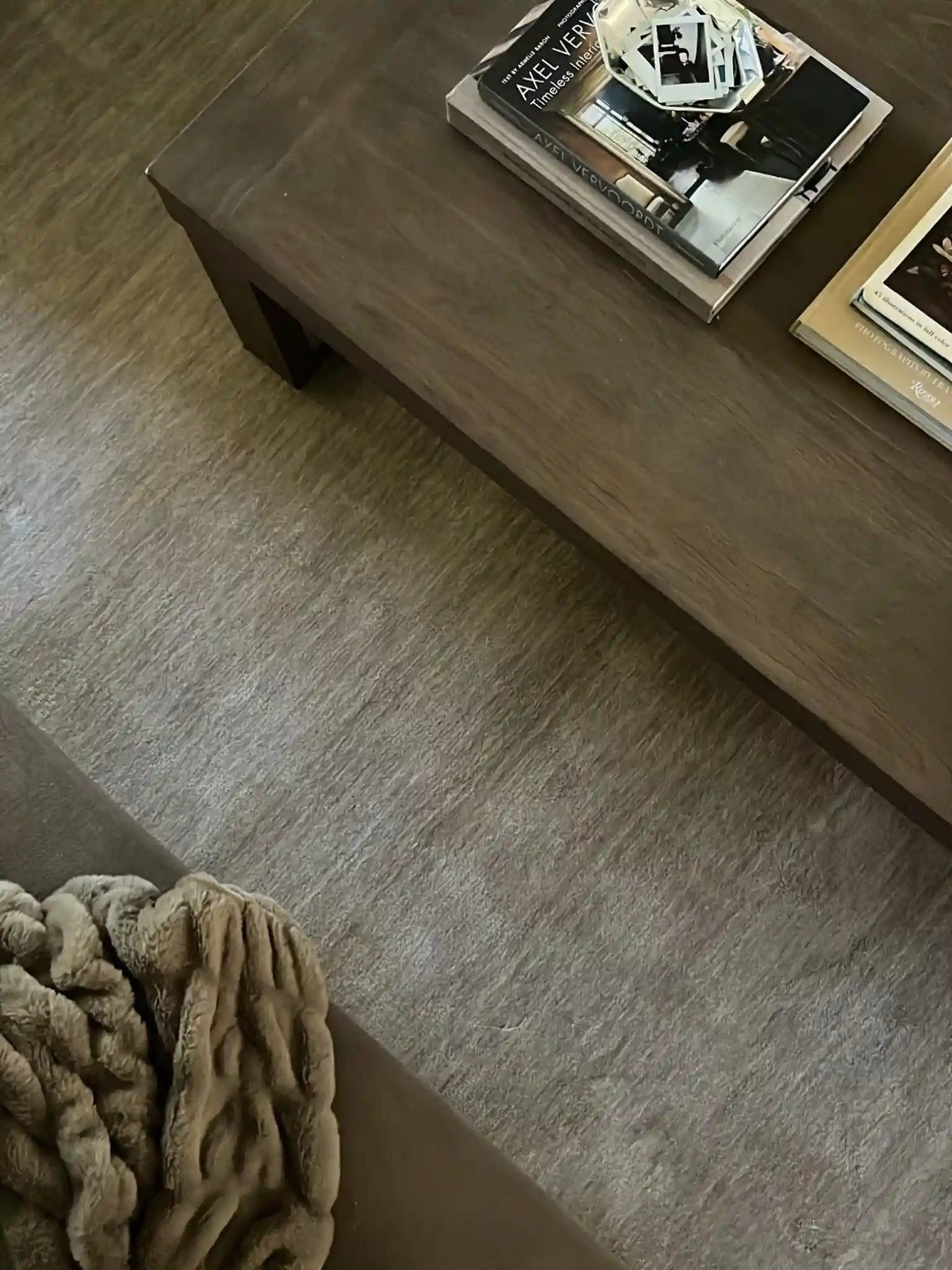
One chair in every living room deserves full honors: the best reading light in the house, a table sized for a book and a cup, a throw folded on its arm, positioned at the room's calmest corner with a view of the whole scene. Reading chairs become household thrones, fought over politely for decades, and they anchor a corner that otherwise collects neglect.
The reading lamp's bulb should be the warmest in the room; eyes age and kindness compounds. Keep the current book and the reading glasses in the table's drawer or basket so the throne is always ready. A chair this loved justifies the room's one furniture splurge better than any sofa upgrade.
9. Use a Console or Credenza Behind the Sofa to Finish the Float

credit: @em_henderson
Floating furniture needs finished backs: a console or low credenza behind the sofa carries lamps, books, and the room's storage while hiding the sofa's plain rear. It also builds a hallway line through open rooms, separating living from dining without a wall. Style its top in the three-height habit and fill its body with the media and game clutter the room must hide.
Two lamps on the console give the room's evening layer a symmetrical base. Measure the walkway behind: the console earns its place only if the line stays at thirty inches. In small rooms a narrow console doubles as the desk, the bar, and the entry drop zone in rotation.
| Console Duty | Contents |
|---|---|
| Top | Two lamps, books, one plant |
| Body | Media, games, guest bedding |
| Line | The walkway's rear border |
| Width law | Traffic stays at thirty inches |
For more ideas in this direction, take a look at 20 Living Room Color Ideas from Homes & Gardens.
You might also enjoy bedroom ideas, which pairs beautifully with the ideas in this section.
Walls, Windows, and Light
10. Build One Wall of Books, Shelves, or Storage That Works

credit: @carlycushnie
A living room's hardest-working wall carries books, display, and hidden storage in one composition: shelves above, closed cabinets below, styled in thirds (books, objects, breathing room). The wall absorbs the room's overflow and becomes its library, gallery, and cupboard simultaneously. Even one bookcase styled with discipline performs a smaller version of the same rescue.
Style shelves by the thirds rule and resist the fourth third. Books arranged by size with some horizontal stacks rest the eye better than rainbow order in grown-up rooms. Leave one shelf for the current season's display so the wall changes without costing money.
11. Hang Art at Eye Level in One Generous Composition

credit: @nateberkuslifestyle
Living room art fails by scale and height: small pieces hung high and lonely. Compose instead one generous arrangement (a single large piece, a salon wall, or a pair) centered at eye level over the sofa or on the focal wall, its width roughly two-thirds of the furniture beneath it. Frames in the room's woods and metals tie art to furniture like punctuation.
Salon walls work from a plan drawn on the floor first; tape the outlines on the wall before nails. The art itself may be anything the household loves, since composition and framing do the decorating for content of any origin. Leave the wall's other stretches quiet so the composition has a stage.
12. Dress Windows With Layers: Sheers for Day, Curtains for Night

credit: @diana.dares
Living room windows dress in two layers like the room dresses its light: sheers or linen panels filtering the day, heavier curtains closing the evening in warmth and privacy. Hang rods high and wide so fabric stacks off the glass, making windows wider and ceilings taller by pure geometry. The curtain color belongs to the palette's support layer, close to the walls or a step deeper.
Curtains should kiss the floor or pool with intention; the awkward middle length reads as a mistake even when measured. Radiators and baseboard heaters vote on fabric placement, so consult them before hemming. In media rooms the night layer doubles as blackout, which the film lovers will defend fiercely.
| Wall Element | Rule |
|---|---|
| Shelf wall | Thirds: books, objects, air |
| Art | Eye level, two-thirds the furniture's width |
| Windows | High, wide, layered |
| Quiet walls | Left empty on purpose |
13. Layer Three Light Sources at Three Heights

credit: @interior.ela
Living rooms need light in layers: ambient from above (dimmed warm), task light at reading and working seats, and accent glow at low and shelf levels (candles, picture lights, a lit cabinet). Three heights, three jobs, all in the same warm temperature family. The evening room composed this way flatters people, furniture, and conversation equally.
Count the room's dark corners after dark and assign each a small light or a reflective surface. Smart bulbs on schedules turn the layers into a routine the room performs itself. Mismatched bulb temperatures are the fastest way to make a styled room feel wrong without anyone knowing why.
14. Style the Mantel or Media Wall as the Room's Altar

credit: @omega_mantels
Whatever the focal point is, style its surface like an altar: the mantel takes the three-height composition with the art above, candles and greenery in support, and a clear center of honor; the media wall takes flanking shelves or cabinets, a soundbar hidden in the composition, and the screen framed by order rather than by wires.
Cables are the media wall's confession; route them in channels, boxes, and cabinet backs until the altar looks wireless. The focal surface restyles seasonally with the house's calendar (greenery, then blossom, then the autumn branch). Keep one permanent anchor (the mirror, the art) so seasonal swaps never start from zero.
15. Add Plants at Three Scales: Floor, Table, and Shelf

credit: @diy_yard
Living rooms green at three heights: a floor plant filling a corner's emptiness, a table plant softening the coffee table or console, and a trailing shelf plant tying the wall composition down. Choose for the light each spot actually receives, and group pots in the room's material family so the garden reads as decor rather than as a nursery.
One large floor plant outperforms five small ones in corner duty every time. Watering and rotation join the weekly rhythm, since a dying plant is the loudest object in any room. Faux plants earn their keep only where real light truly fails, and even there, one per room is the honest ceiling.
| Plant Scale | Post |
|---|---|
| Floor | The empty corner, tall and calm |
| Table | Coffee table or console, small |
| Shelf | Trailing, tying the wall down |
| Pot law | One material family, room-wide |
For a related look, take a look at wall decor ideas and borrow the details that fit your space.
Textiles, Surfaces, and the Lived-In Layer
16. Layer Textiles in the Palette: Cushions, Throws, and Curtains in Conversation

credit: @em_henderson
Living room textiles are the palette made touchable: cushions in the accent and support tones mixed by pattern scale, a throw on the sofa's arm and the reading chair, curtains carrying the support tone at the windows. Odd numbers, mixed scales, one quiet family member per group: the same textile law as every room, here at its largest scale.
Cushion inners one size up from their covers give the plump, expensive silhouette cheaply. Keep one throw per seat in winter and one per room in summer; textiles obey seasons like gardens do. Washable covers are the difference between a styled room and a museum with a sofa.
17. Hide the Machinery: Cables, Remotes, Chargers, and Games

credit: @derwynnwho
Modern living rooms run on equipment that decorates badly: solve it as infrastructure. A charging drawer or cabinet station, a cable box or channel for the media wall, a lidded basket for remotes and controllers, and closed storage for games and blankets. Beauty in this room is mostly the absence of visual static, and static is mostly cords.
Label chargers inside the station or the family will mine it weekly. The remote basket lives where hands land when seated, not where tidiness wishes they did. Every new device entering the room must present its storage plan at the door, a household law worth printing.
18. Create Zones in Open Plans With Rugs, Consoles, and Light

credit: @nahawids
Open-plan living areas need borders without walls: the rug defines the living island, the console behind the sofa draws its rear line, a pendant or lamp cluster marks its airspace, and the dining or working zone beyond gets its own rug and light in the same palette family. Zones let one large space hold four rooms' worth of life without a single argument about territory.
Keep one clear traffic river through the zones, wide enough for two people and a laundry basket. Repeating one material or color across zones stitches them into a single home. When a zone fails (the desk that migrates), re-draw its border with the rug and light rather than with complaints.
| Zone Tool | Border It Draws |
|---|---|
| Rug | The floor's territory |
| Console | The rear line |
| Light cluster | The airspace |
| Palette repeat | The stitch between zones |
19. Style Side Tables and Surfaces With the Three-Height Habit

credit: @bilalrehman
Every seat's side table takes the room's styling in miniature: something tall (lamp or plant), something mid (books or a vessel), something low (the coaster, the current read) and clear space for the cup that is certainly coming. Surfaces styled this way look intentional at every scale, and the habit scales from a stool to a console without modification.
Drawers or baskets under side tables swallow the chargers and tissues that surfaces attract. One styled surface per sight line is enough; the rest may stay purely useful. The habit becomes automatic by the third table, which is the point of habits.
Another helpful next step is our roundup of bedroom decor ideas.
Small Rooms, Families, and Guests
20. Make a Small Living Room Live Large With Legs, Glass, and Restraint

credit: @stephgratefulhome
Small living rooms expand by editing: leggy furniture that shows the floor, a glass or open coffee table, the largest rug the room accepts, mirrors or light art where windows are scarce, and storage that closes. Every piece must serve two jobs or charm its way past the constitution. The small room styled with restraint feels chosen; the small room filled with small things feels like a dollhouse under siege.
A loveseat and two chairs beat a corner-devouring sectional in most small rooms, and they rearrange for guests. Keep the palette light at the walls and large pieces, saving depth for textiles that wash and change. The television mounted frees the surface it used to own, which in a small room is prime land.
21. Build the Family Layer: Play, Homework, and Movie Nights

credit: @haightcarpet
The living room serves the family's whole day, so build its layers deliberately: a play basket and a floor zone that clears in two minutes, a homework surface with light that folds back into decor, and a movie configuration (blankets in the console, the projector or big screen's sight lines kept clear, blackout from the night curtains). Rooms that plan for all three never look like any one of them exploded.
The two-minute reset is the family room's constitution: every layer must be restorable in that time by its own users. Children who own a layer's reset keep it better than any adult patrol achieves. Photograph the room in each mode; the set proves the design works harder than any single styled shot.
| Family Layer | Reset Time |
|---|---|
| Play | Basket away, floor clear in two minutes |
| Homework | Surface folds back into decor |
| Movie night | Blankets out, sight lines clear |
| Rule | Every layer restorable by its users |
22. Prepare the Guest Version: Sleep, Privacy, and a Welcome Tray
credit: @want.zamora
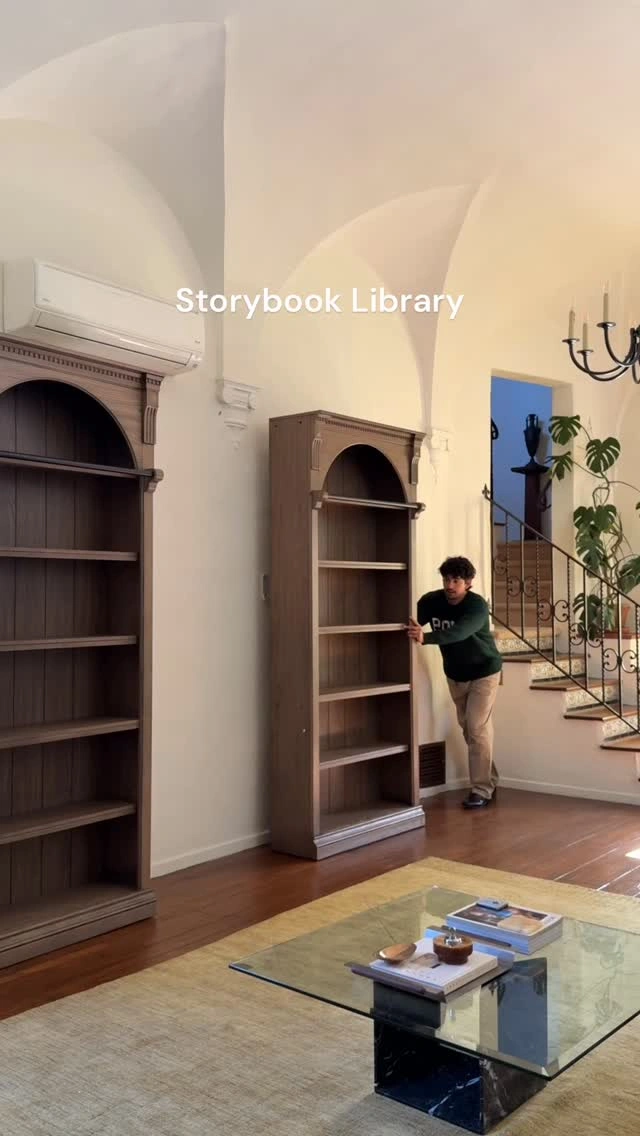
Living rooms hosting overnight guests need a transformation kit: the sofa bed or air mattress stored with its linens in the console or a lidded bench, a privacy layer (the night curtains earn their keep here), and a welcome set (towel, water glass, phone charger, the Wi-Fi card) on the side table. Practiced once, the conversion takes ten minutes and makes visitors feel expected rather than absorbed.
Keep the guest kit complete and untouched by daily borrowing, or conversion night becomes a scavenger hunt. A small lamp the guest controls and a door that closes fully are hospitality's non-negotiables. Morning coffee instructions left on the tray rescue guests from tiptoeing and hosts from dawn.
| Guest Kit | Stored In |
|---|---|
| Bedding set | Console or lidded bench |
| Towel and welcome tray | Guest basket, complete |
| Charger and Wi-Fi card | Side table drawer |
| Privacy | Night curtains, door that closes |
23. Rent the Look: Lean, Layer, and Command Nothing Permanent

credit: @decorating__mi_casa
Renters compose living rooms from movable wealth: rugs defining islands over landlord floors, art leaned on consoles and hung on removable systems, curtains on tension or clip solutions, shelving that stands rather than screws, and lighting from lamps rather than rewiring. The portable room improves with every move, since its pieces are chosen for travel.
Photograph the original room on day one and keep every landlord fixture bagged and labeled. Furniture with closed storage is the renter's built-in, moving house as faithfully as the sofa. Invest in the pieces that travel (rug, lamps, art) and economize on anything that fits only this room's measurements.
24. Spend Where Hands and Eyes Land: Sofa, Rug, Light

credit: @londondiehlhome
The living room budget obeys a landing map: the sofa (sat in daily, seen always), the rug (the island everything stands on), and lighting (the layer that decides how every color reads) take the money. Side tables, cushions, and decor rotate cheaply around these anchors for years. A room with three good anchors and thrifted support outclasses a room of ten medium purchases in every photograph and every evening.
Buy the anchors in palette neutrals so trends can rotate in the cheap seats. Test sofas by sitting in your real postures, including the sideways curl. When one anchor must wait, light goes first: it improves even borrowed furniture by evening.
| Anchor | Why It Earns |
|---|---|
| Sofa | Sat in daily, seen always |
| Rug | The island everything stands on |
| Lighting | Decides how every color reads |
| Support pieces | Rotate cheaply around anchors |
25. Rotate the Room Seasonally With Textiles and One Green Swap

credit: @cozycottagebythesea
Seasonal living room refreshes ride on textiles: cushion covers and throws rotate to the season's weight and depth within the palette, the plant arrangement gains or sheds a member, the coffee table's layer restyles, and one scent family replaces another. The bones stay; the room breathes four times a year for the price of a cushion cover set.
Store the off-season textile set in the console so rotation takes twenty minutes including the photograph. Keep the palette law through every season; depth changes, colors stay cousins. The seasonal photograph album becomes the room's diary and next year's planning evidence.
If this style appeals to you, small bedroom ideas offers more ways to carry the same look through your home.
Style Directions and the Long Game
26. Lean Warm Minimal: Few Pieces, Generous Space, Natural Materials

credit: @lilswalty
Warm minimal living rooms decorate by choosing less and meaning it: the anchor sofa, the honest rug, one chair, wood and linen and wool in undyed tones, a single plant, a single artwork. Negative space is the style's abundance, and every kept piece must be touchable, beautiful, and used weekly or it joins the donation box.
Minimal rooms fail cold when materials turn synthetic; the natural fiber law is the warmth. Clutter control is the style's rent, paid by the hidden-machinery systems working perfectly. One deep color in a single piece keeps the calm from going sleepy.
27. Lean Collected and Layered: Books, Travel, and Generations

credit: @valeriadecordotcom
The collected living room layers a life: books everywhere they fit, travel pieces with stories, inherited furniture beside new anchors, art accumulated across decades, textiles from three continents agreeing in palette. Its law is editing by love and palette rather than by matching, and its surfaces hold the household's autobiography in objects.
Collected rooms curdle into clutter when the palette law lapses, so new pieces pass the color test before the story test. Rotate displays from the household's stored treasures so the room changes without shopping. Guests read these rooms like books, which is the style's entire social function.
| Collected Layer | Source |
|---|---|
| Books | Everywhere they fit |
| Travel pieces | Stories with shelf space |
| Inherited furniture | Beside the new anchors |
| Textiles | Three continents, one palette |
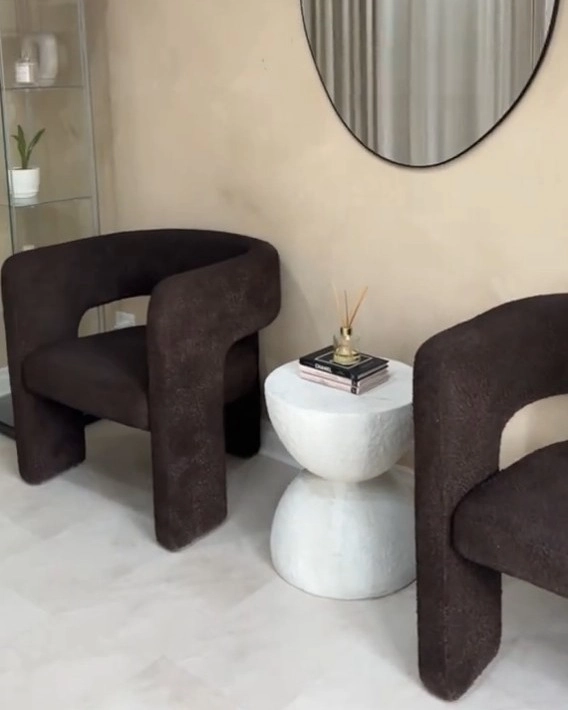
28. Lean Modern Organic: Curves, Stone, and Sculptural Light

credit: @smartarchstudio
Modern organic rooms soften contemporary bones with curves (the arched lamp, the round table, the curved sofa back), natural stone and plaster textures, sculptural lighting, and greenery as architecture. The palette stays pale and warm, letting silhouette and texture carry the design where color abstains.
Curves cost more than corners, so spend them at the room's two most seen pieces and keep the rest simple. Texture substitutes for pattern here: one nubby textile and one rough stone per composition. The style photographs serenely and lives kindly, since rounded rooms forgive hips and toddlers alike.
| Style | Signature |
|---|---|
| Warm minimal | Undyed naturals, negative space |
| Collected | Books, stories, palette discipline |
| Modern organic | Curves, stone, sculptural light |
| Classic | Symmetry, pairs, the mantel altar |
29. Keep a Weekly Rhythm and a Monthly Edit for the Room

credit: @templeandwebster
Living rooms stay styled by rhythm: a weekly reset (surfaces cleared to their compositions, textiles shaken and refolded, plants watered, the remote basket audited) and a monthly edit (one thing out, the storage zones purged, the seasonal rotation checked). Fifteen minutes weekly prevents the weekend rescue indefinitely.
Assign the reset to the room's heaviest user and the edit to its most ruthless editor; households contain both. The monthly 'one thing out' rule is the clutter vaccine, small doses forever. Rooms with rhythms look styled in year three, which is the only testimonial decor cannot fake.
30. Photograph the Room at Its Best Hour and Plan Backwards

credit: @stephgratefulhome
Every living room has a golden hour when its light, colors, and order align; find it, photograph the room then, and let the photograph assign the work list: the corner that reads dark gets a lamp, the wall that reads empty joins the art plan, the surface that reads crowded loses a piece. Re-shoot seasonally to keep the plan honest.
Shoot from the doorway and from the main seat; the room must compose from where it is entered and where it is lived. Compare with last season's shot before buying anything new. The camera is the cheapest designer the room will ever hire, and the rudest, which is why its advice works.
| Photograph Confession | Assignment |
|---|---|
| Dark corner | A lamp joins the plan |
| Empty wall | The art plan absorbs it |
| Crowded surface | Loses one piece |
| Honest mirror | Re-shoot each season |
31. Plan the Room's Next Three Upgrades and Buy in Order
credit: @kiva.brent
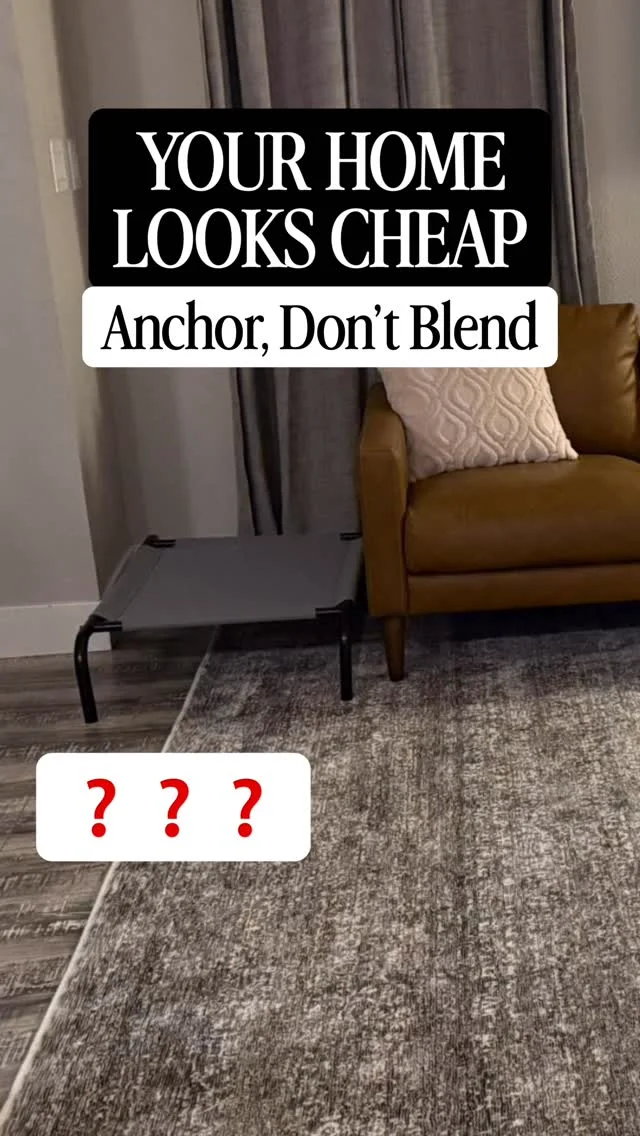
Living rooms improve by sequence rather than by spree: keep a written list of the next three upgrades (by impact: light, the focal wall, the seating gap) with their measures and palette notes, and buy in order when sales and budgets align. A sequenced room never wastes money on a piece its own plan will orphan next year.
Keep measurements in the same notebook (wall widths, the rug's island, curtain drop) so opportunities can be seized in thrift stores without guesswork. Review the list at each seasonal rotation. Patience sequenced this way produces rooms that look designed in one gesture, when they were actually designed in twelve.
32. Let the Room Show the Household's Real Life, Edited

credit: @garrettcottle
The finished living room should testify: the current books, the instrument in its stand, the game mid-season on its shelf, the photographs of this family rather than of models. Edit the testimony (one instrument, not four; the best photographs, framed well) and the room achieves the only style that cannot be purchased: evidence of a life being lived on purpose.
Rotate the testimony as life changes; the shelf that held trophies takes the travel ceramics next decade. Guests trust rooms that show real life and relax in them faster, which is the living room's first job description. Perfection is a hotel's style. This is a home's.
33. Solve the Television Honestly: Frame It, Flank It, or Make It Art

credit: @gabaybayy
The screen earns honesty: mount it at a seated eye height, flank it with shelves or cabinets that give it architecture, hide its cables completely, and consider a frame or art-mode display so its black rest state joins the decor. A television treated as the room's admitted star composes better than one pretended away behind arrangements that force neck gymnastics.
Viewing distance and angle decide the mount, not the wall's symmetry; necks outrank compositions. The flanking storage absorbs the console, the boxes, and the game library in one gesture. When the screen is off and framed, visitors ask about the artwork, which is the honest solution's graduation ceremony.
| TV Treatment | Effect |
|---|---|
| Mounted at eye height | Necks and composition agree |
| Flanking shelves | Architecture around the star |
| Hidden cables | The wireless illusion |
| Frame or art mode | Rest state joins the decor |
Common Mistakes With Living Room Decor
Living rooms fail by decorating for photographs instead of for people: furniture against walls, rugs like postage stamps, and surfaces with nowhere to set a cup.
| Mistake | Why It Fails | Do This Instead |
|---|---|---|
| All furniture pushed to the walls | Conversation across a ballroom gap | Float the island on the rug, faces close |
| Rug too small for the seating | Furniture drifts like boats | Front legs of every seat aboard |
| Styling every surface completely | No landing space for real life | A third of surfaces kept clear |
| Decorating around the TV dishonestly | Necks crane, composition lies | Admit the star, frame and flank it |
| No hidden storage for the machinery | Cords and remotes are the decor | Cabinets, baskets, charging stations |
Living Room Decor by Situation: 4 Ready-Made Plans
If Your Room Must Do Everything (Family, Media, Guests)
Zone it honestly: the rug island for conversation and media with a swivel compromise, the play layer in baskets with its two-minute reset, the console storing the guest bed kit, and curtains closing the night. Spend on the sofa, rug, and lights; let every other piece be replaceable. Photograph each mode and fix what the pictures confess.
If You Are Starting From an Empty Room
Buy in the plan's order: rug first (sized generously), sofa and two chairs for conversation, coffee table with landing space, one lamp per dark corner, then the shelf wall and art as budget returns. Live with the anchors for a month before accessorizing; empty space in month one is patience, not failure.
If Your Living Room Is Small and Dark
Leggy furniture, glass or open tables, the biggest rug, mirrors and light art multiplying the windows, lamps at three heights in warm bulbs, and storage that closes. Keep the palette pale at the bones and deep only in textiles. Every piece serves twice or leaves.
If You Rent a Room With Terrible Floors and Walls
The rug covers the floor's sins at island scale, art leans and removable-hangs over the walls', lamps replace the landlord's lighting, and closed-storage furniture stands in for built-ins. Photograph day one, bag the original fixtures, and let the portable wealth accumulate. This room's best pieces will travel to better rooms for years.
And for even more ways to style it, check out 40 Designer Tricks to Make Your Living Room Cozy from HGTV.
To keep building on this theme, see how home decor ideas handles a similar look in a different way.
For even more inspiration, explore our guide to bathroom decor ideas.
Frequently Asked Questions About Living Room Decor Ideas
Where do I start when decorating a living room?
Start with the plan, not the purchases: map the room's jobs and traffic, choose the focal point, and set the palette from the fixed bones. Then buy in order (rug, seating, coffee table, light) and style surfaces last. Rooms decorated in this sequence compose; rooms decorated by impulse accumulate.
How big should a living room rug be?
Large enough to hold at least the front legs of every seat in the arrangement, with the coffee table fully on it and a consistent floor border around the island. When size and budget fight, choose size in a plainer rug. Layering a smaller patterned rug over a large plain one achieves both at a sane price.
How do I arrange furniture in a living room with a TV and a fireplace?
Admit both stars: angle the main seats between them or use swivel chairs that turn from hearth to screen, keep faces within conversation distance, and style the mantel as the altar while the screen gets flanking architecture and hidden cables. Necks outrank symmetry in every ruling.
What colors work best in a living room?
A palette grown from the fixed bones: floor tone, the biggest furniture piece, and the light's direction, built as a base, a support tone, and one rare accent. Warm the palette a step in north-facing rooms. The law that matters is enforcement: nothing enters off-palette, whatever the sale says.
How do I make a living room feel cozy without clutter?
Layer light at three heights in warm bulbs, layer textiles within the palette, anchor with a generous rug, and hide the machinery in closed storage. Coziness is warmth plus order, not object count. Keep a third of surfaces clear and the room breathes while it glows.
How much should I spend on a living room?
Spend where hands and eyes land: the sofa, the rug, and the lighting take the budget's core, in palette neutrals that outlast trends. Everything else (tables, cushions, decor) rotates cheaply around the anchors for years. A written three-upgrade list keeps spending sequenced instead of impulsive.
How do I decorate a small living room?
Choose leggy furniture that shows the floor, glass or open tables, the largest rug the room accepts, mirrors or light art for dark walls, and closed storage for everything else. Every piece serves two jobs, and the palette stays pale at the bones. Restraint is the small room's luxury.
What rhythm keeps a living room looking restyled?
Seasonally, through textiles and the coffee table's layer (twenty minutes, four times a year), with a weekly fifteen-minute reset and a monthly one-thing-out edit holding the composition between rotations. Deep changes follow the written upgrade list, not impulses. The rhythm keeps the room styled in year three, not only in week one.
Can a living room work without a sofa?
Yes: two generous chairs, a daybed or chaise, and poufs compose a conversation room with more flexibility and less bulk, especially in small spaces. Keep the rug island and the facing distances, and give every seat its table and light. The sofa is a convention, not a requirement; conversation is the requirement.
Conclusion: A Room Arranged for Its People
Living room decor ideas succeed when the room's jobs lead and beauty follows: traffic respected, conversation seated close, the focal star admitted, machinery hidden, and surfaces styled with room left for life. Add the rug island, the layered light, and the seasonal breath, and the hardest-working room in the house becomes its best argument. Start with the map and the palette this week, and let the purchases follow in their proper order.
*Ready to style the room you live in? Start with tip 1 and map the jobs first.*
—


9 Comments