Flower Garden: 32 Proven Ways to Grow Blooms All Season
Your flower garden succeeds or fails on succession, not on any single plant. This guide gives you 32 exact steps, each with a measurement, a spacing, and a result you check with your own eyes. As professional garden designers consistently find, beds that bloom from April to October layer spring, summer, and fall flowers in one plan with heights arranged back to front. Work the sections in order and your flower garden builds from bare soil to a full season of color.
One number guides every purchase in this guide. Your full scheme lands between $150 and $400 for a perennial-based garden, and every tip below states its cost before you dig.
Before You Begin: Five Foundation Steps for a Flower Garden
Failed flower beds share one cause: planting before the sun, soil, and bloom plan are set. This foundation section fixes your site, your colors, and your budget before a single purchase. Every later section builds on these five steps.
1. Map Sun Hours in Three Spots Across the Yard
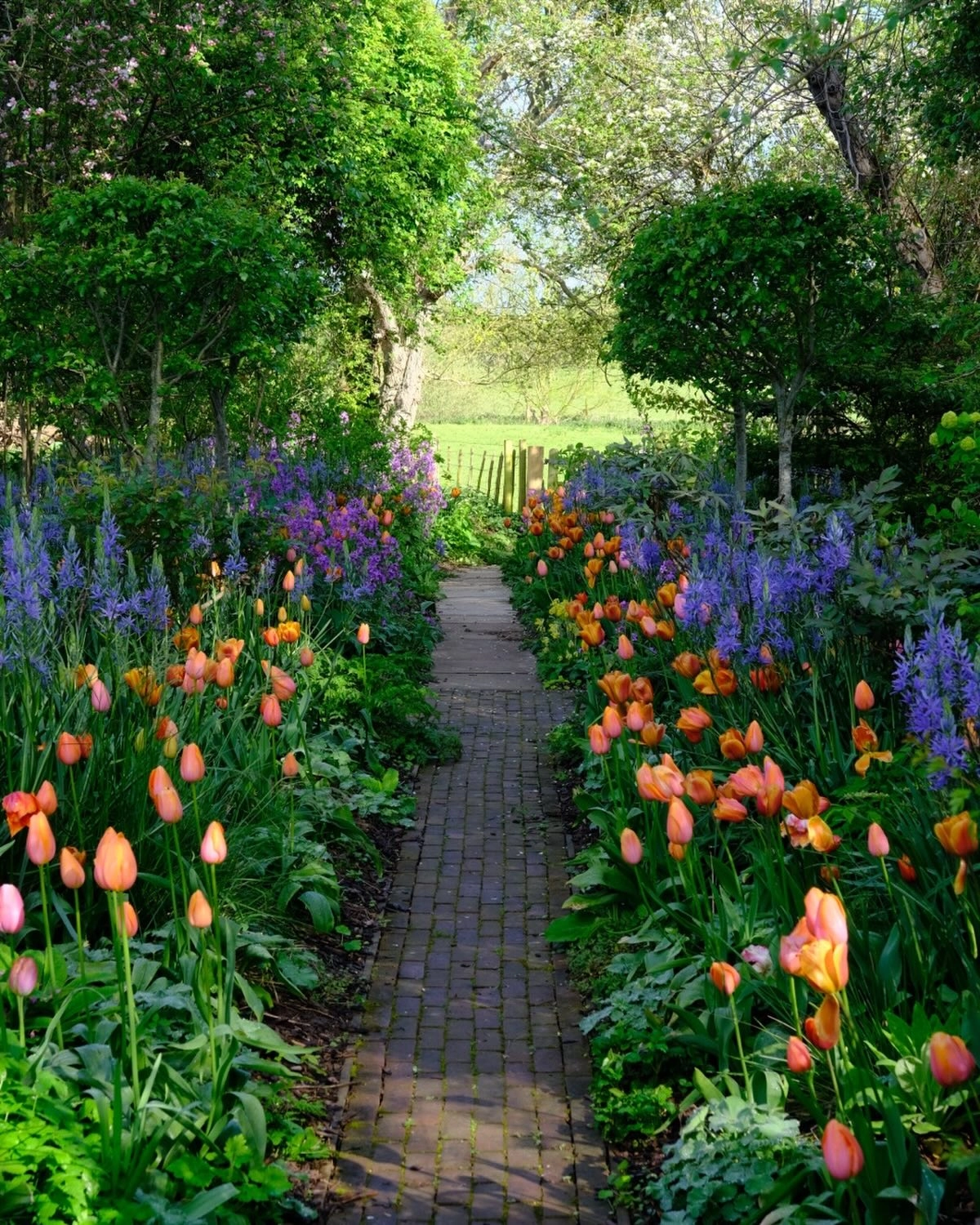
credit: @themontydon
Flowers fail in wrong light no matter the care. A sun map sorts your ground into full sun, part shade, and shade honestly. Every plant list in this guide keys to those three zones.
Stand in the yard at 9 a.m., 1 p.m., and 5 p.m. and sketch each area’s light. Full sun means 6-plus hours of direct light; part shade 3 to 6; shade under 3. Write the hours on your plan beside each bed’s outline.
| Light Zone | Hours | Plant Families |
|---|---|---|
| Full sun | 6+ direct | Roses, lavender, bulbs |
| Part shade | 3-6 | Daylilies, astilbe |
| Shade | Under 3 | Hosta, bleeding heart |
2. Test the Soil and Fork In 4 Inches of Compost

credit: @theoldfarmersalmanac
Hungry soil grows leaves, not flowers. A pH test plus a deep compost layer feeds a full season of bloom. Amendments cost a tenth of replacement plants.
Dig 6 inches down in each bed and test pH with a $10 kit; most flowers want 6.0 to 7.0. Spread 4 inches of compost over every bed. Fork it into the top 8 inches of soil before any planting begins.
| Test Result | Amendment | Amount |
|---|---|---|
| pH under 6.0 | Garden lime | Per bag rate |
| pH over 7.0 | Sulfur | Per bag rate |
| Low organic | Compost | 4 inches deep |
3. Lock a Bloom Palette of Coral, Cream, and Purple
credit: @gardening.999
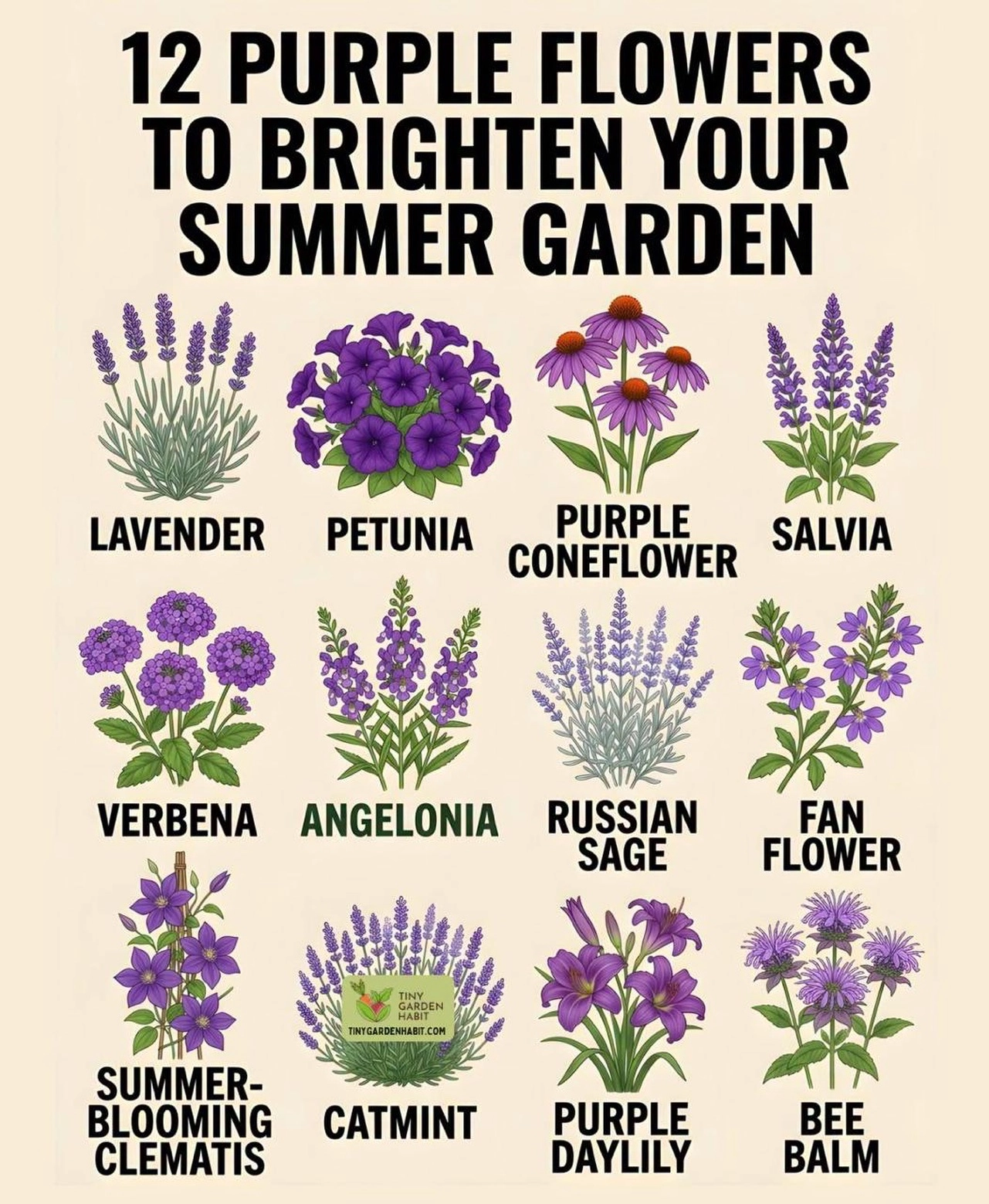
Random flower colors fight each other across a bed. One locked palette makes every later purchase automatic. Coral leads the warm layer, cream bridges, and purple supplies the cool depth.
Assign lead blooms to coral, bridges to cream, and depth to purple in roughly equal thirds per bed. Write the three names on one card and carry it to every nursery visit. Any plant outside the three names stays on the bench, no matter the discount.
4. Set a $400 Budget and Split It by Plant Type

credit: @territorialseedcompany
Flower costs creep through dozens of weekend nursery trips. A split budget stops the creep at the first store. Perennials take the largest share because they return every year.
Divide $400 into $180 for perennials, $80 for shrubs and roses, $70 for bulbs and annuals, and $70 for soil, mulch, and watering gear. Track every receipt against its column the same day. A column that hits its ceiling closes until the next season opens it.
| Category | Ceiling | Main Buys |
|---|---|---|
| Perennials | $180 | Core bloom plants |
| Shrubs + roses | $80 | Structure + features |
| Bulbs + annuals | $70 | Season fillers |
| Soil + water | $70 | Compost, mulch, drip |
5. Draw a Bloom Calendar With One Peak per Month
credit: @the_flower_fields
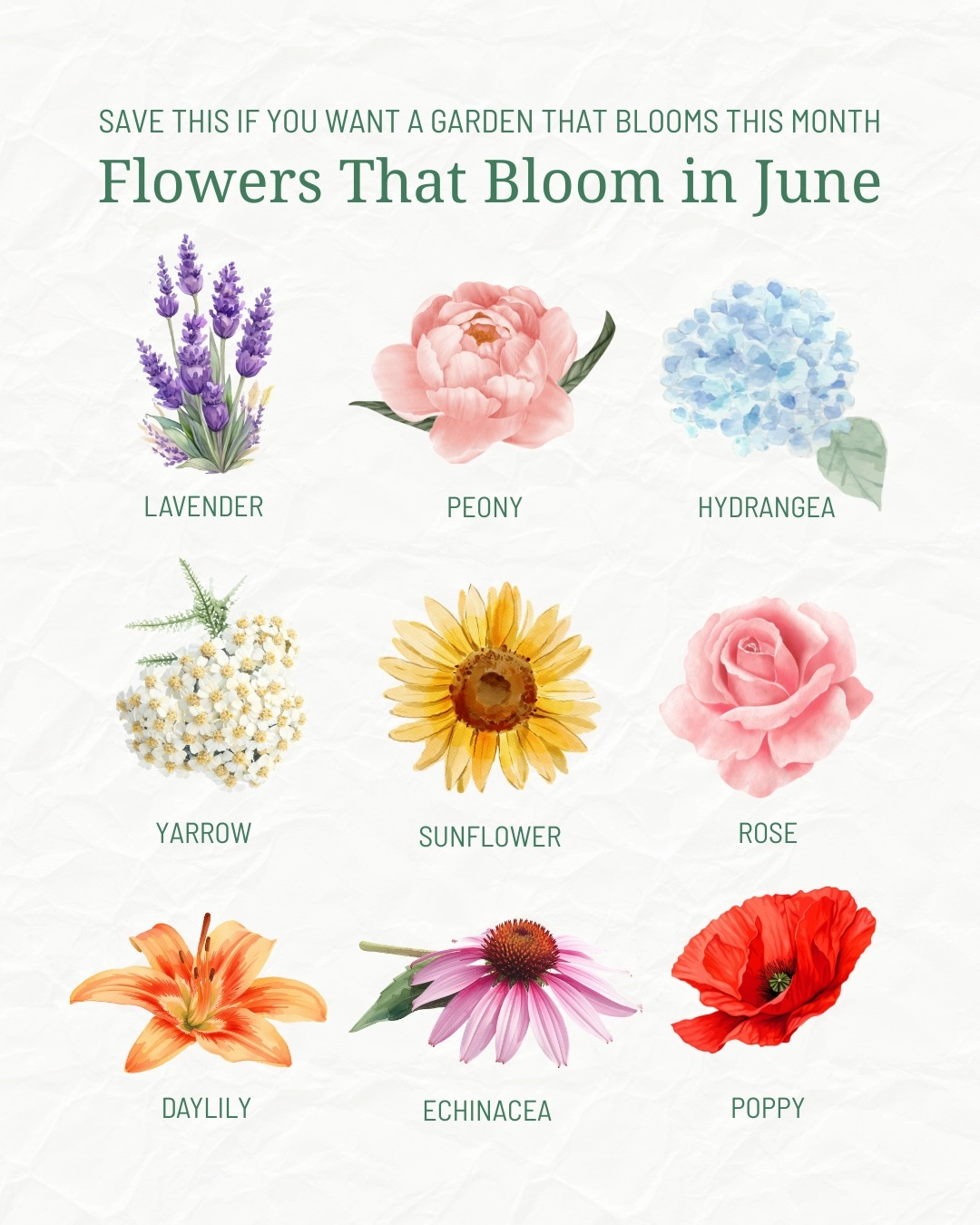
Gardens planted by looks alone bloom all at once in June and quit. A month-by-month calendar spreads peaks from April to October. The calendar drives every planting tip below.
List your chosen plants by their bloom month in a seven-column grid, April through October. Every column needs at least three plants in flower. Gaps get filled by the annuals and bulbs in Tips 13 and 15 before you buy anything else.
Flower Garden Bed Design and Layout
Bed shape and layering decide whether plantings read as a garden or a row. This section builds curved beds, three height layers, edging, and paths. Every measurement serves the plants’ mature sizes, not their pot sizes.
6. Cut Curved Beds at Least 3 Feet Deep

credit: @ryanmccallister1
Straight narrow beds read as borders, not gardens. Curves at 3-plus feet deep fit three full planting layers. A garden hose lays the curve before any spade touches soil.
Lay a hose in a gentle curve along the bed line and adjust until it pleases from the house windows. Cut the edge along the hose and dig the bed 3 to 4 feet deep. Wide beds curve around corners; never let depth drop under 30 inches.
7. Plant in Three Layers: Tall Back, Mid Middle, Low Front

credit: @samandthegirls_
Single-height beds read flat from every window. Three layers build the depth photographs love. Each layer’s mature height decides its row.
Set tall plants, 4 to 6 feet mature, along the bed’s back row. Plant mid flowers, 18 to 30 inches, in the middle at 18-inch centers. Edge the front with low growers under 12 inches at 12-inch centers.
8. Group Every Plant in Odd Numbers of Three or More
credit: @steporr
Single plants scattered along beds read as leftovers. Groups of three, five, or seven read as design at any distance. The rule applies to every layer and color alike.
Plant each variety in groups of at least three, spaced by the mature width on its tag. Repeat each group at least twice per bed for rhythm. Singles belong only to the feature plants in Tips 16 and 18.
| Group Size | Spacing Basis | Best For |
|---|---|---|
| 3 | Mature width | Mid perennials |
| 5 | Mature width | Lead colors |
| 7 | Mature width | Front edging |
9. Edge Beds With a 6-Inch Trench and Low Border Plants
credit: @themontydon
Grass creeps into beds within weeks without a hard edge. A trench plus a living border holds the line twice over. The edge also gives mowing a clean wheel track.
Cut a 6-inch-deep trench along every bed line with a flat spade. Plant the front row’s low growers 6 inches behind the trench line. Re-cut the trench each spring; ten minutes per bed holds it all year.
10. Lay a Stepping Path Through Deep Beds at 24-Inch Strides

credit: @bluestargardens
Deep beds need access for deadheading and weeding without soil compaction. Flat stepping stones at stride spacing give it cleanly. Feet stay off the root zones entirely.
Set flat stones at 24-inch centers in a gentle line through every bed deeper than 3 feet. Bed each stone in 1 inch of sand, level with the soil. Keep stones clear of plant crowns by 6 inches on every side.
Flower Garden Planting by Season, Roses, and Features
Succession is the flower garden’s whole game, and features give it postcards. This section plants each season’s stars in the same beds so color never gaps, then adds the rose group, shrub backbone, climbers, and cutting patch. Every plant below fits the coral, cream, and purple palette.
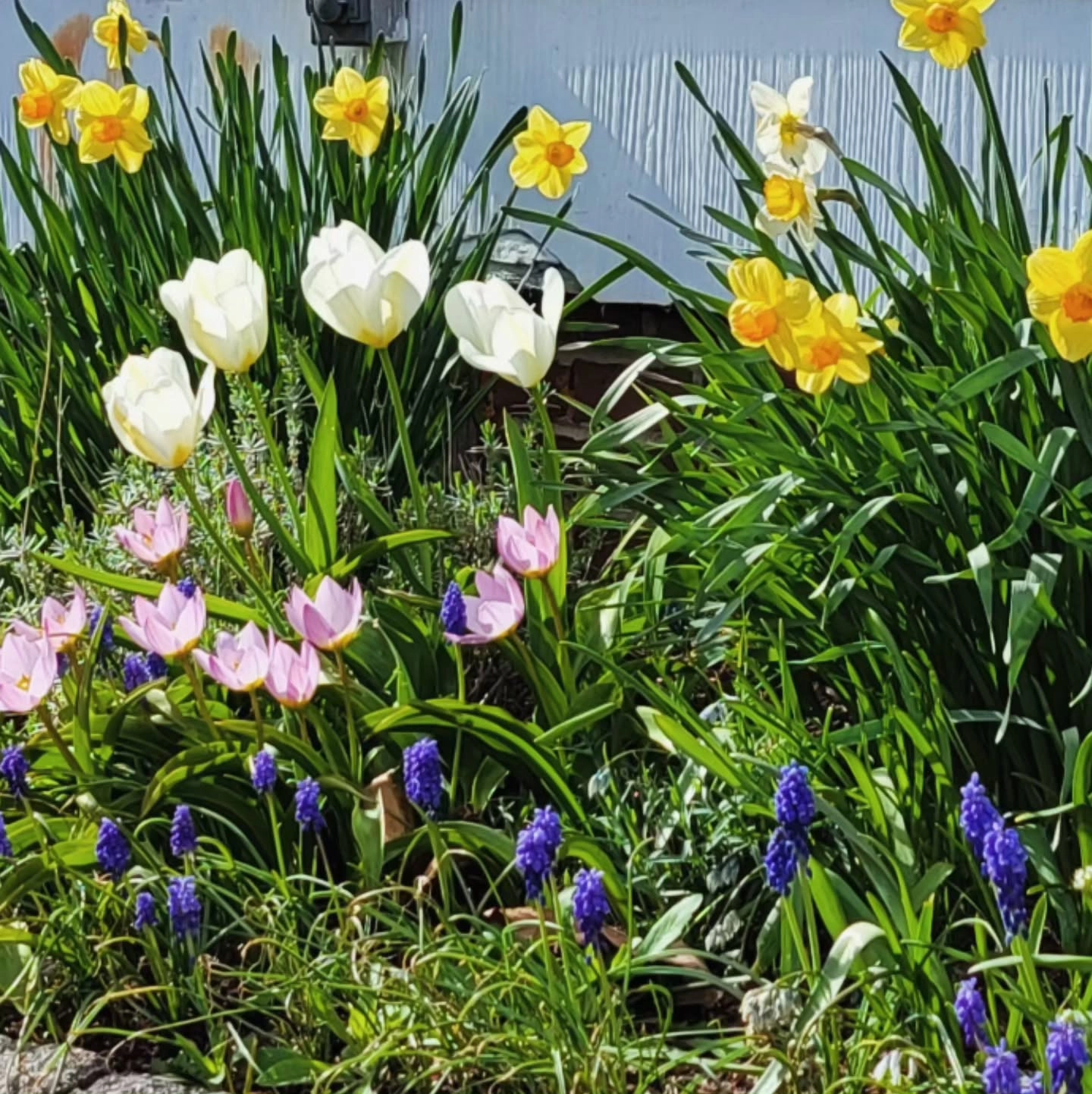
11. Plant Spring Bulbs in Fall at Three Times Their Height Deep
credit: @shadyhillnh
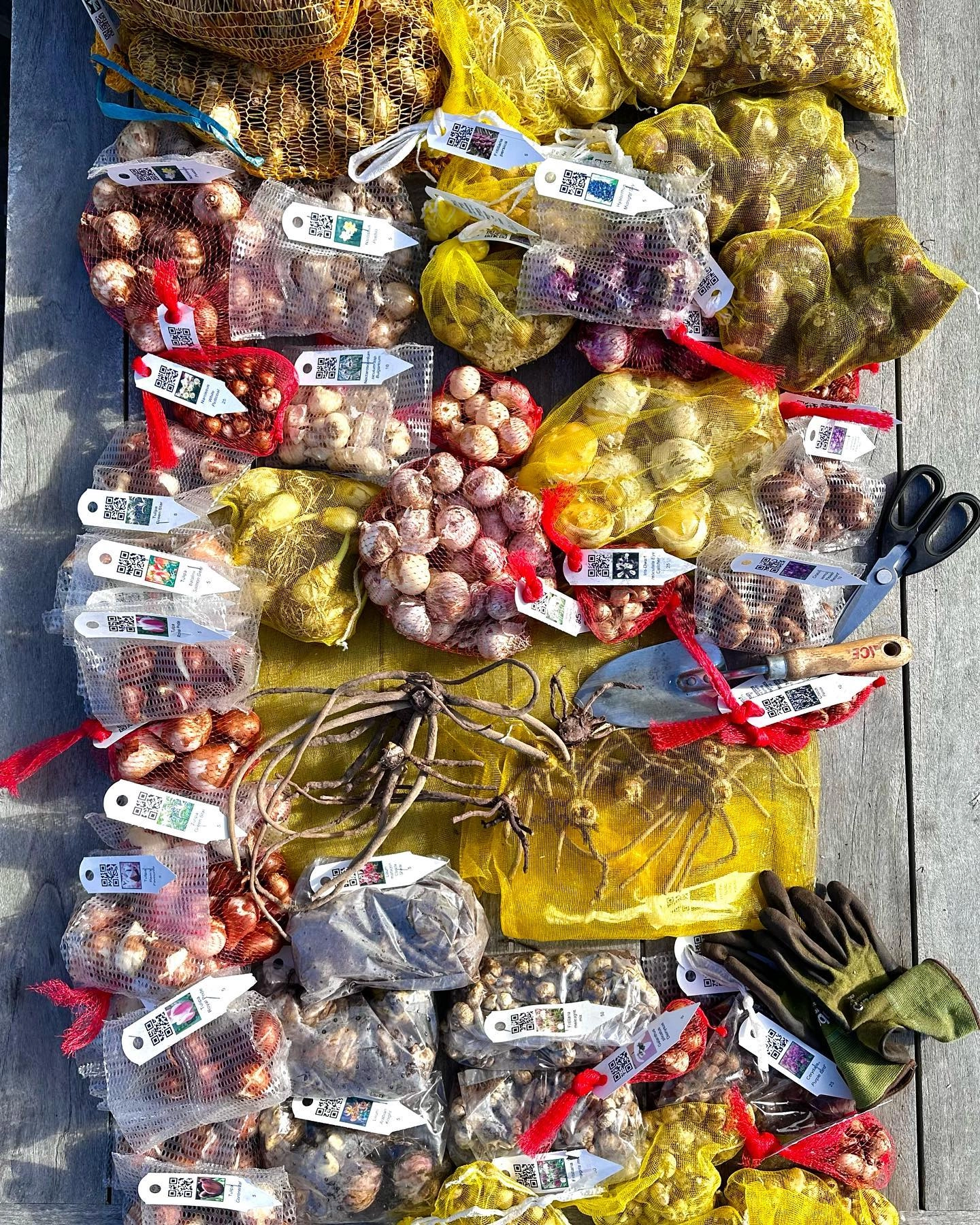
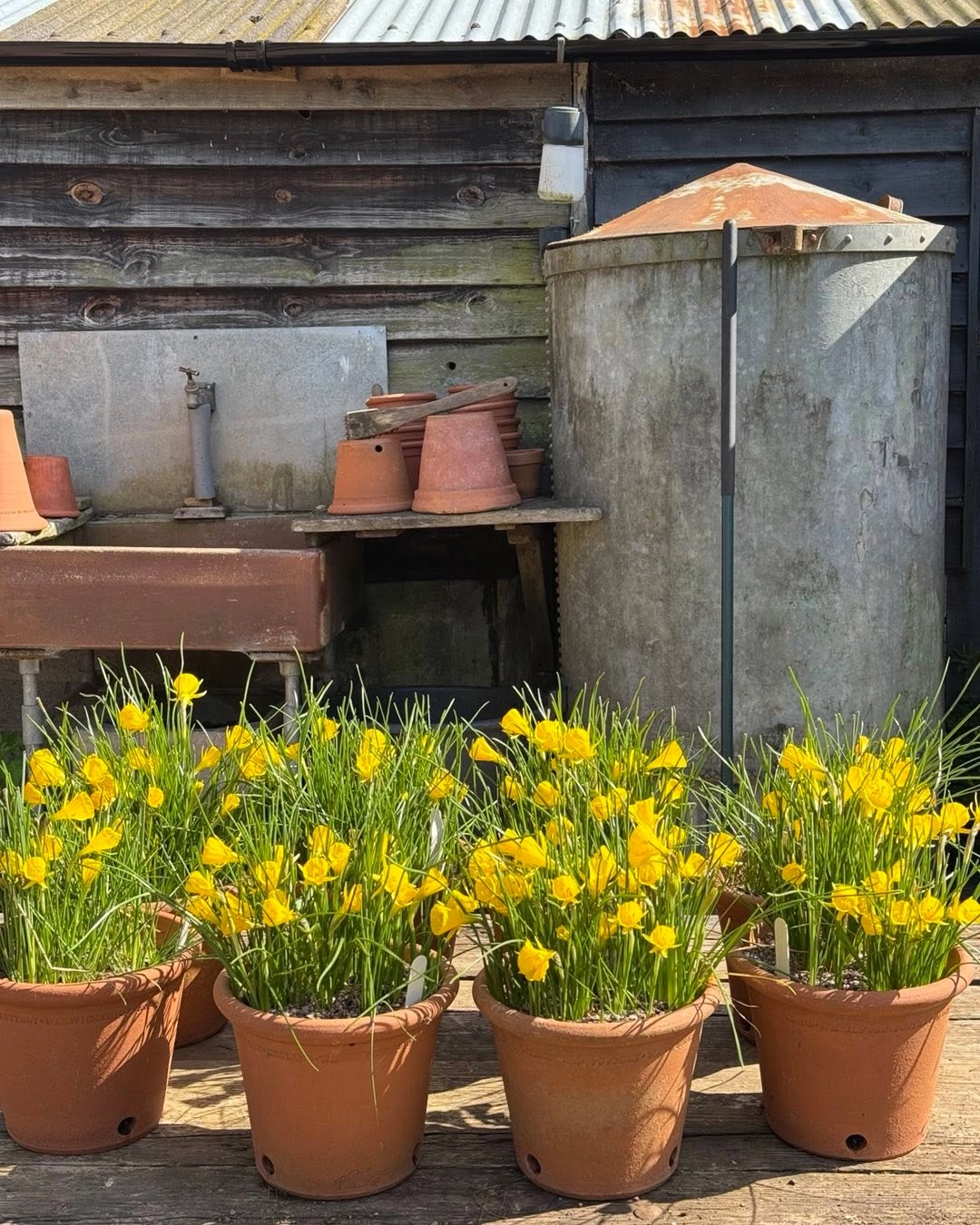
Spring bulbs planted shallow flop and split within two years. Depth at three times the bulb’s height anchors them for a decade. Groups of ten or more read as drifts, not dots.
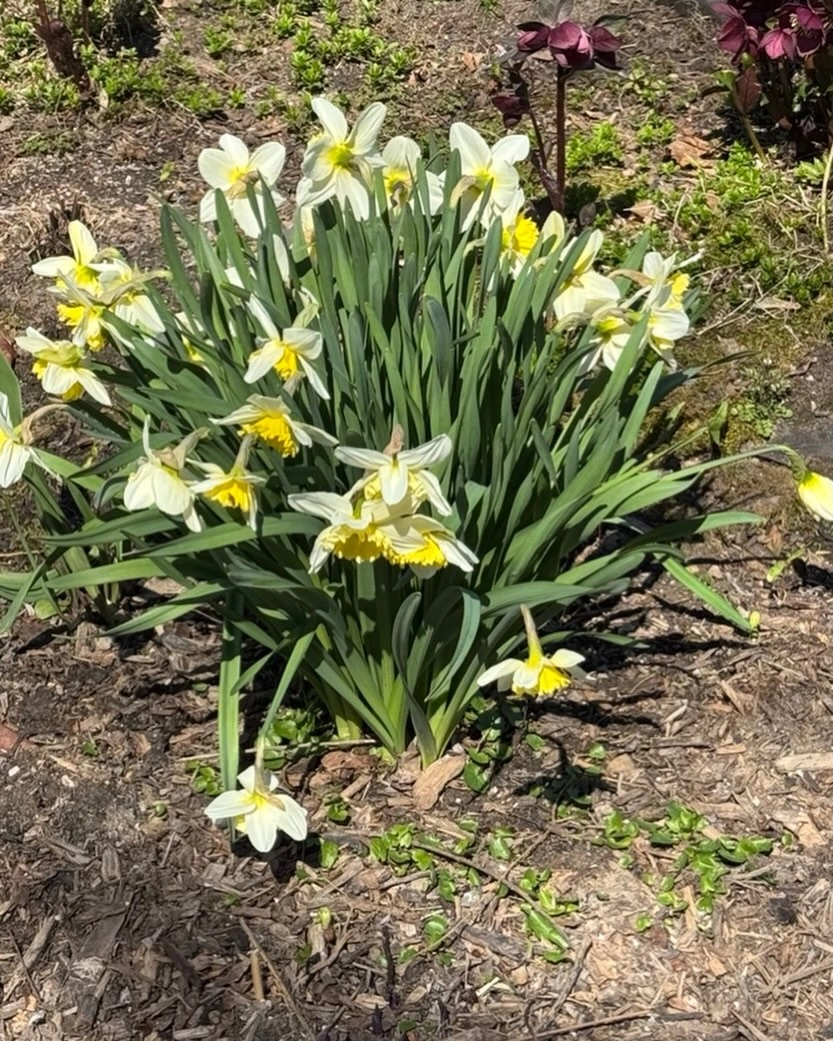
Dig group holes in fall and set bulbs pointed up at three times their own height deep: 6 inches for tulips, 8 for daffodils. Plant in groups of 10 to 15 per drift. Cover, water once, and mulch the bed per Tip 21.
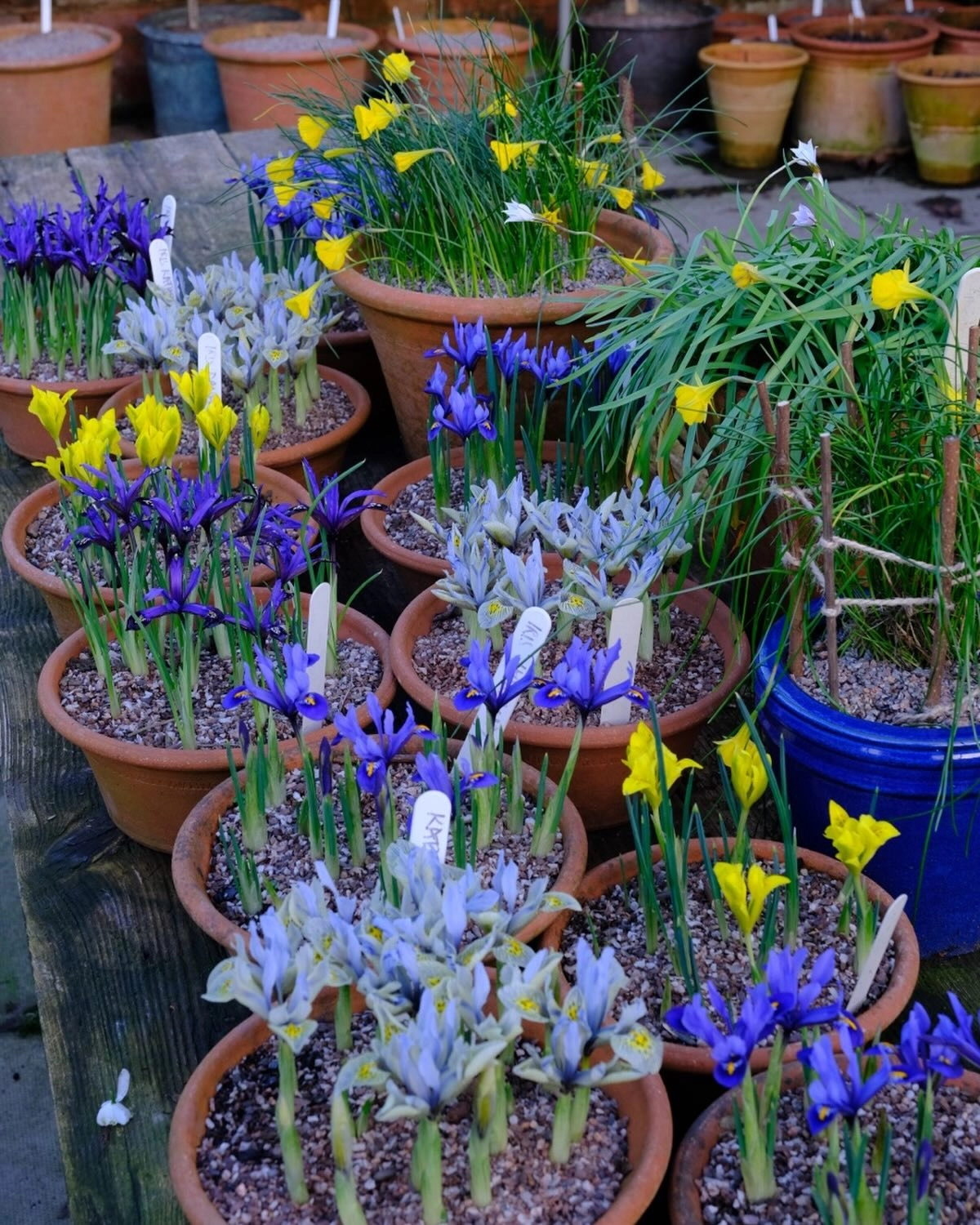
12. Set Spring Perennials: Peonies, Iris, and Bleeding Heart
credit: @themontydon
Spring perennials carry the garden’s first peak. Peonies, iris, and bleeding heart all return bigger every year. Their foliage also backgrounds summer’s stars after bloom.
Plant peonies with their eyes 2 inches below soil, iris rhizomes half exposed, and bleeding heart crowns at soil level. Space each group by Tip 8’s rule at mature widths. Mark every group’s spot; summer planting weaves between them.
| Spring Plant | Set Rule | Spacing |
|---|---|---|
| Peony | Eyes 2 in deep | 36 in centers |
| Iris | Rhizome half out | 18 in centers |
| Bleeding heart | Crown at level | 24 in centers |
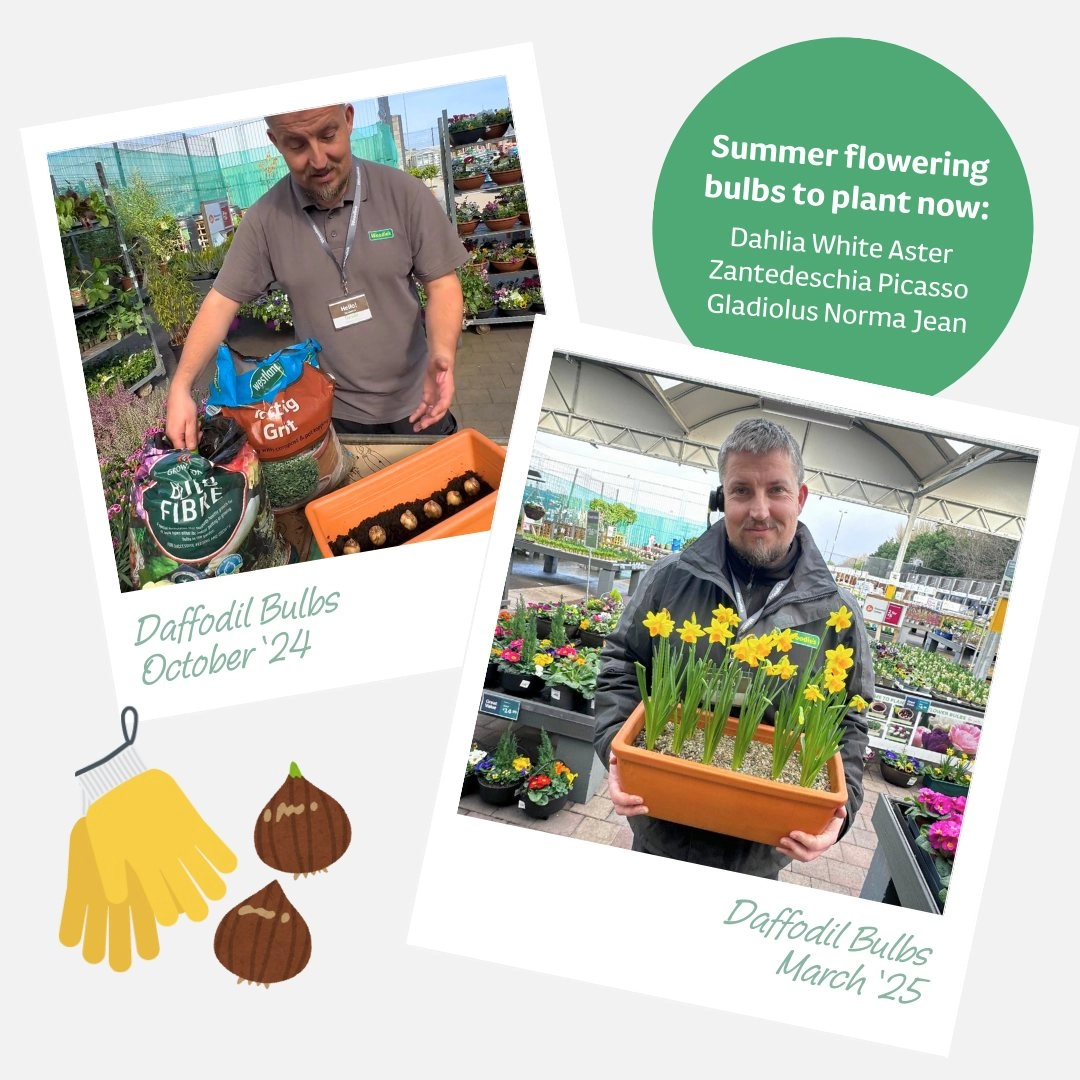
13. Fill Summer With Coneflowers, Daylilies, and Lavender
credit: @woodies_ireland
Summer is the garden’s longest shift and its thirstiest. Coneflowers, daylilies, and lavender bloom for months on low water once rooted. All three feed pollinators while they flower.
Set coneflowers and daylilies in the middle layer at 18-inch centers. Run lavender along the front edge at 12-inch centers where drainage runs sharpest. Water weekly the first season; year two needs water only in drought.
| Summer Star | Water Need | Bloom Span |
|---|---|---|
| Coneflower | Low after year 1 | 8-10 weeks |
| Daylily | Moderate | 4-6 weeks per scape |
| Lavender | Sharp drainage | 6-8 weeks |
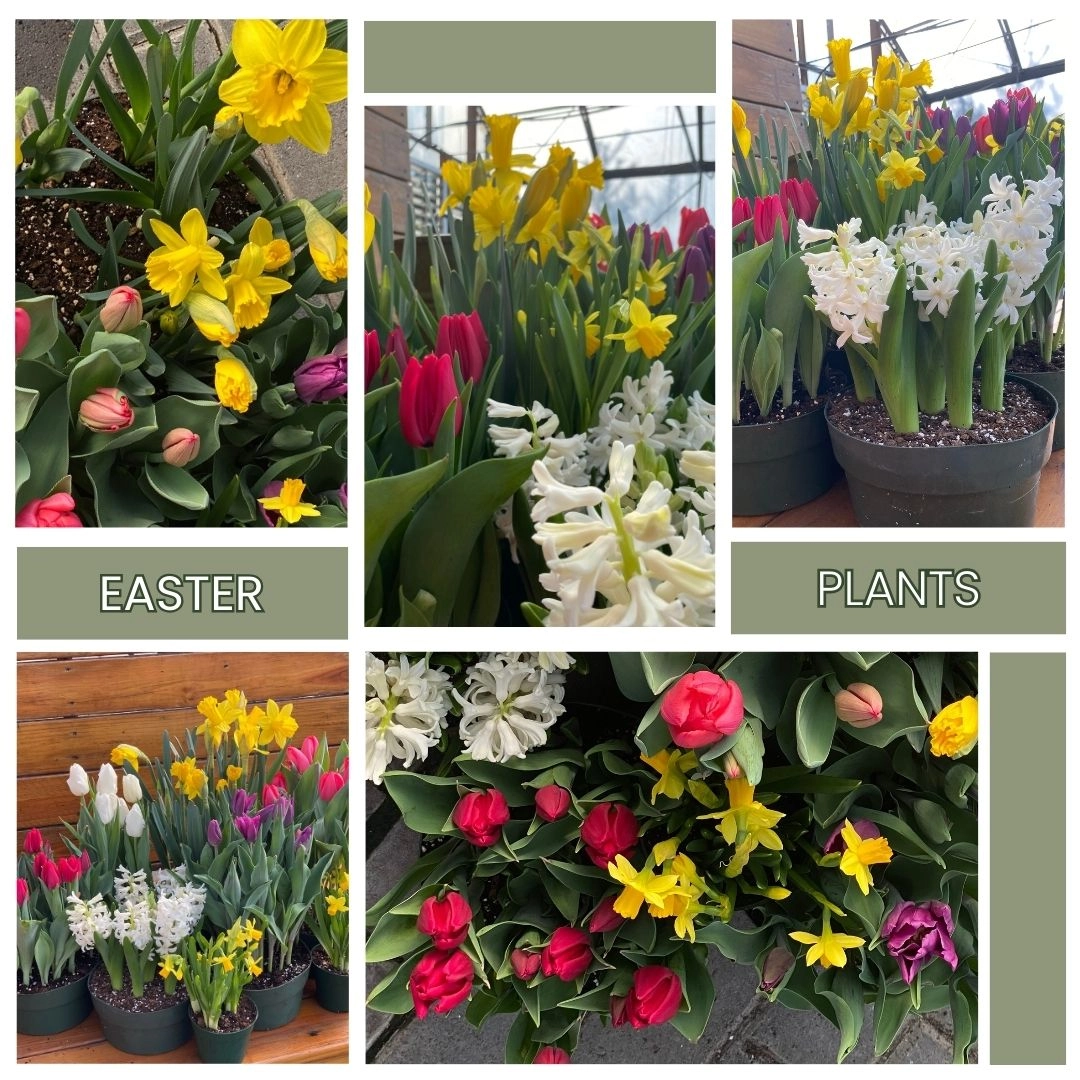
14. Extend Fall With Asters, Sedum, and Chrysanthemums
credit: @stonyhillfarms
Most gardens quit in September; planned ones peak again. Asters, sedum, and mums bloom as summer’s stars fade. Their colors deepen the palette toward autumn.
Plant asters and sedum in spring so roots establish before their fall show. Set mums out in late summer at 18-inch centers for instant autumn weight. Pinch mums twice before July for bushy, storm-proof plants.
| Fall Star | Plant When | Pinch Rule |
|---|---|---|
| Aster | Spring | Once by June |
| Sedum | Spring | Never |
| Mum | Late summer | Twice before July |
15. Sow Annual Fillers in Every Calendar Gap
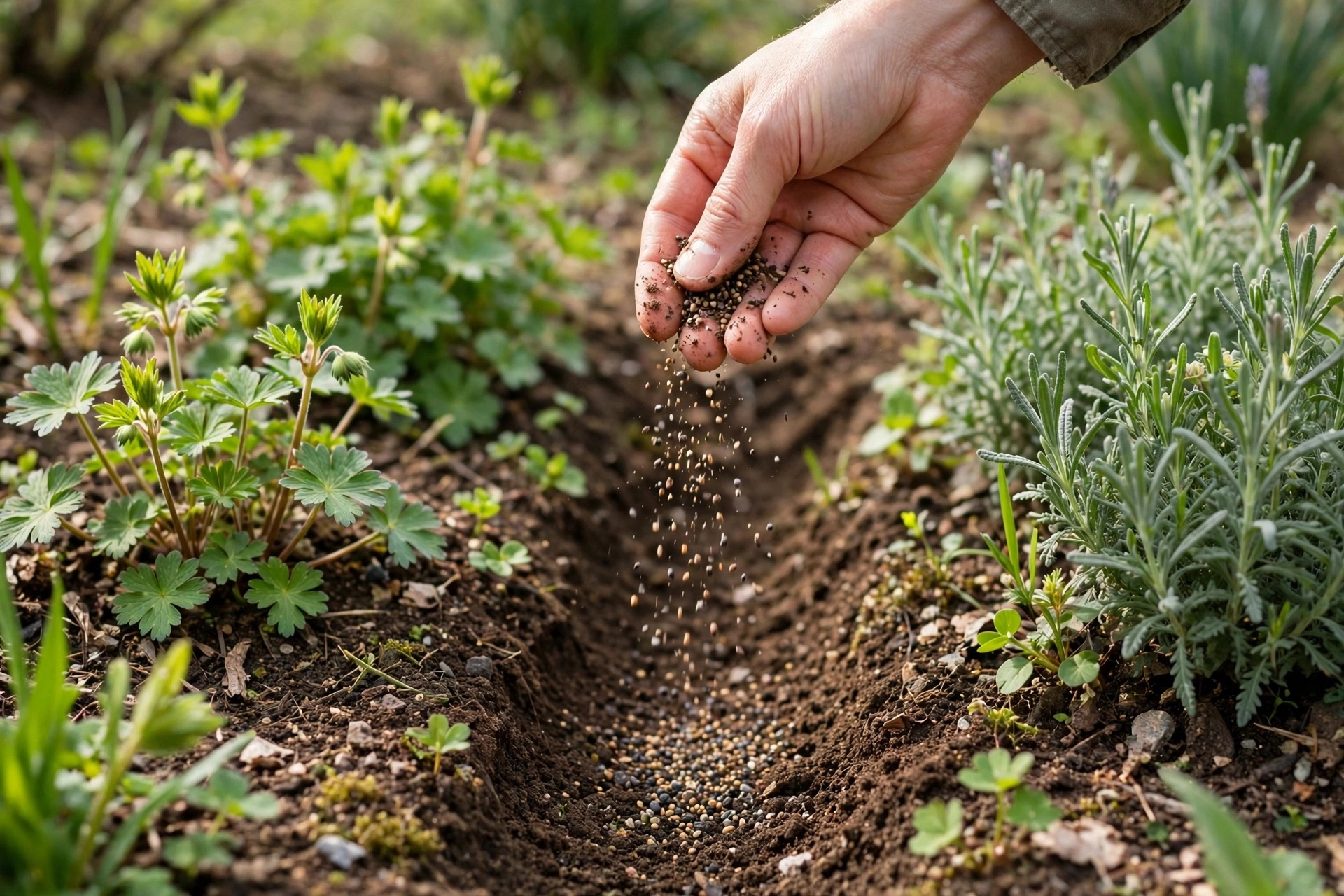
Perennial calendars always leave two or three thin weeks. Annuals sown in place fill exactly those gaps for pennies. Zinnias, cosmos, and marigolds carry the palette’s warm end.
Check your Tip 5 calendar and sow annuals wherever a month shows fewer than three bloomers. Scatter seed on raked soil, cover with a quarter inch, and keep moist for two weeks. Thin seedlings to 8-inch spacing once they reach 3 inches tall.
| Season | Stars | Layer |
|---|---|---|
| Spring | Peony, iris, bulbs | Back + mid |
| Summer | Coneflower, daylily, lavender | Mid + front |
| Fall | Aster, sedum, mum | Mid + front |
16. Plant a Rose Group of Three at 24-Inch Centers
credit: @leeschrager
Single roses read as accidents; groups read as a rose garden. Three bushes at tight centers knit into one flowering mass. Coral shrub roses carry the palette’s lead for months.
Plant three shrub roses of one variety at 24-inch centers in the sunniest bed. Set each graft union 2 inches below soil in cold zones, at soil level in mild ones. Underplant the group with cream catmint at 12-inch centers.
| Rose Group Part | Spec | Note |
|---|---|---|
| Bushes | 3, one variety | 24 in centers |
| Graft union | 2 in below soil | Cold zones |
| Underplant | Cream catmint | 12 in centers |
17. Set Flowering Shrubs as the Bed’s Backbone

credit: @backyardgardener
Perennials die to the ground each winter; shrubs hold the bed’s shape. One flowering shrub per bed anchors the layers around it. Hydrangea and lilac split the backbone duty by season.
Set one large flowering shrub at each bed’s back corner, spaced by its mature width. Choose bloom times that cover your calendar’s thin months first. Prune only after flowering, per Tip 32’s rule for all shrubs.
18. Train Climbers on the Fence for a Flowering Wall
credit: @themontydon
Blank fences waste the garden’s biggest canvas. Clematis and climbing roses turn it into a flowering wall in two seasons. The wall also cools the beds at its base.
Mount wires or a trellis 2 inches off the fence along the sunniest run. Plant climbers at 4-foot centers, roots shaded by the bed’s front layer. Tie new growth every 12 inches and prune by each plant’s group rules.
19. Grow a Cutting Patch of Zinnias and Dahlias in Rows

credit: @houseplantsforthepeople
Cutting from display beds thins the show. A dedicated cutting patch in rows feeds vases without touching the borders. Dahlias and zinnias cut and regrow all summer.
Mark a sunny patch in rows 18 inches apart for zinnias and dahlias. Pinch both at 12 inches tall to force branching stems. Cut flowers twice a week at dawn; cutting is the deadheading that keeps them blooming.
20. Pot One Feature Plant for the Patio Edge
credit: @arthurparkinson_
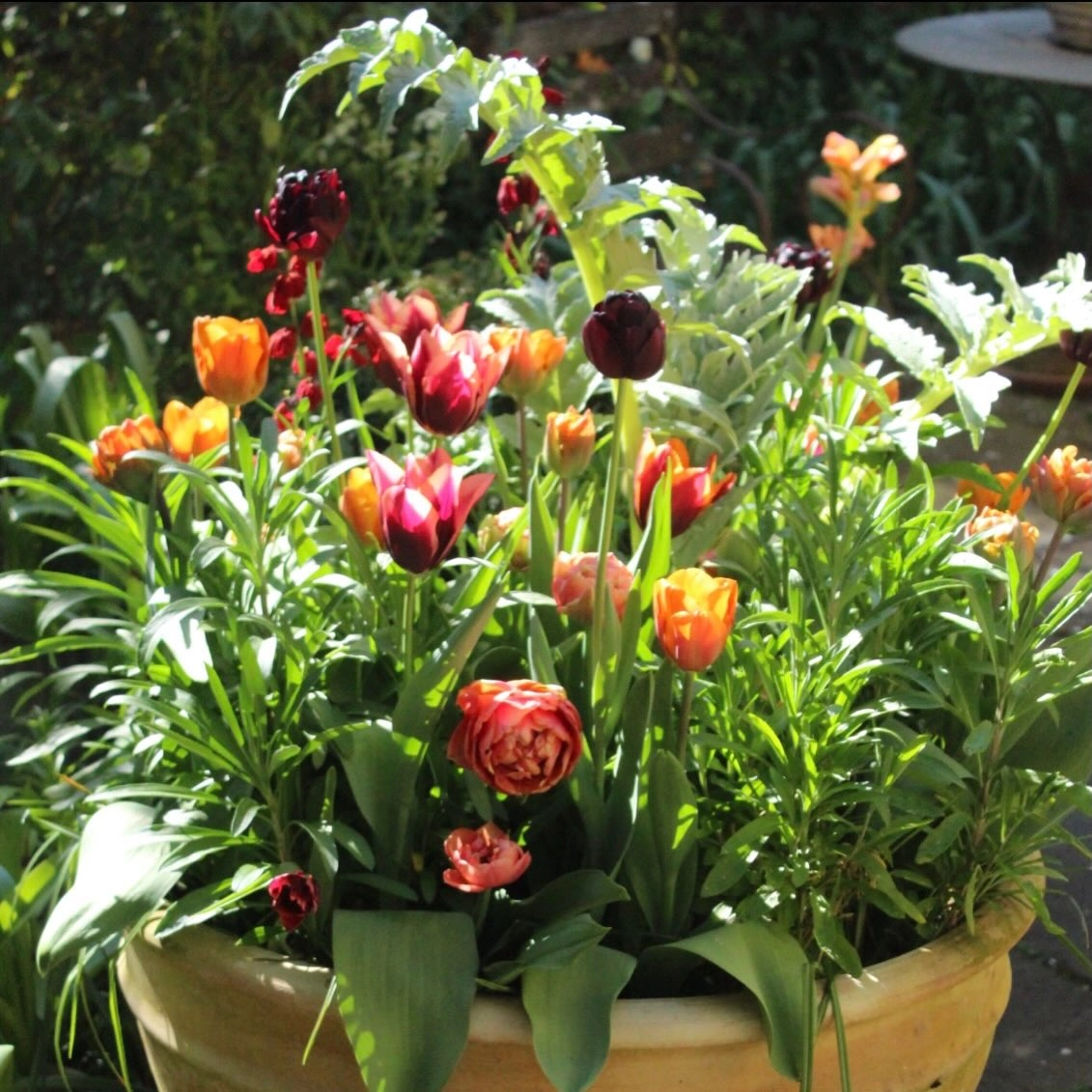
A potted feature links the garden to the patio’s hard edge. One large pot of agapanthus, standard rose, or olive carries bloom at seated eye level. The pot trials tender plants before they earn bed space.
Set one 20-inch pot at the patio’s garden corner. Plant a single feature specimen and underplant its rim with trailers. Water potted features twice as often as bed plants; Tip 22’s drip spike automates it.
Flower Garden Care Systems: Water, Feed, and Deadheading
Care systems decide whether plantings thrive or merely survive. This section sets mulch, drip water, feeding, and the deadheading rhythm. Every setting follows the zone and season logic from the foundations.
21. Mulch Every Bed at 3 Inches, Kept 3 Inches From Stems
credit: @trooperbob_sc
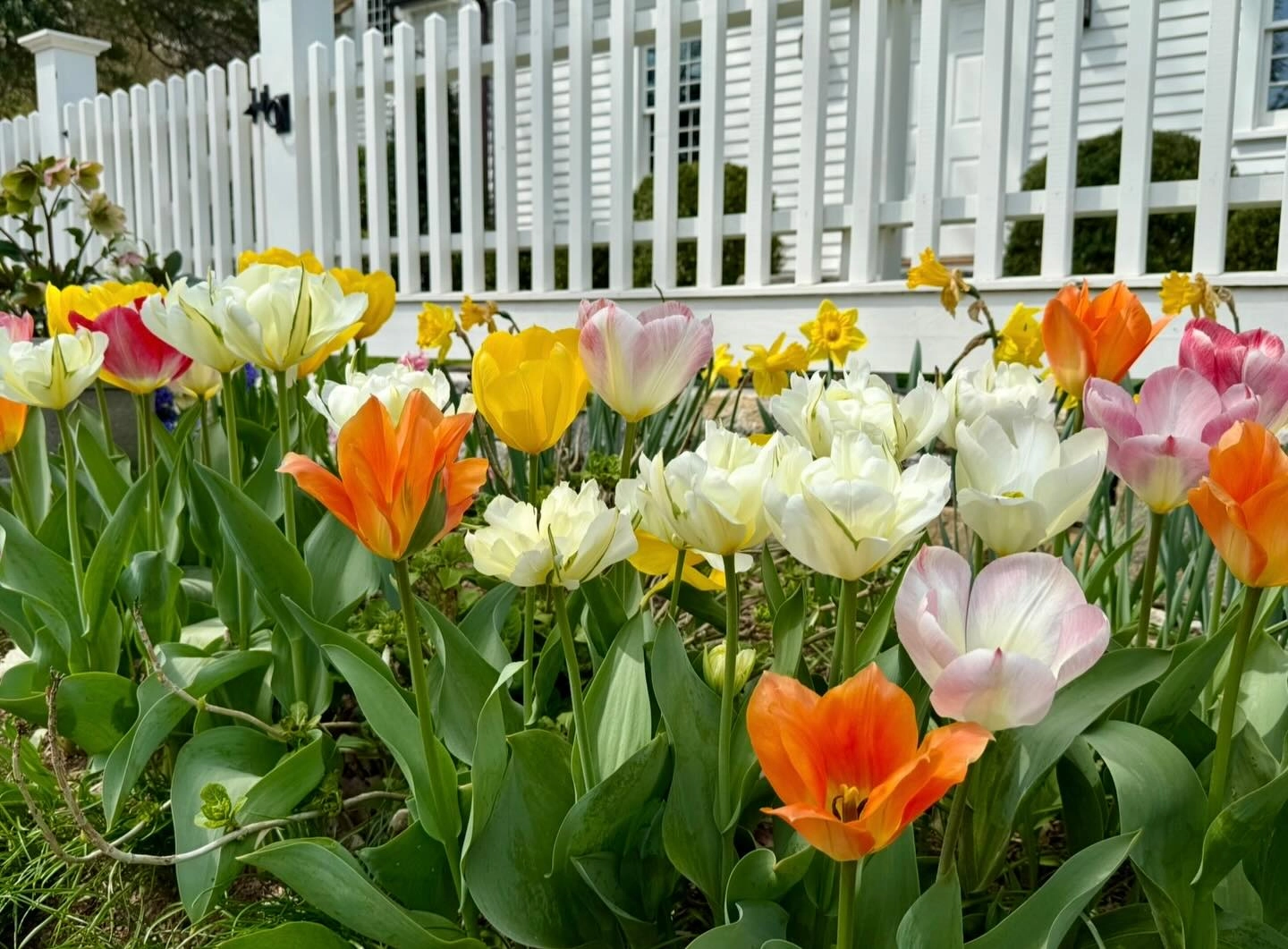
Bare soil loses water and grows weeds all season. Three inches of mulch holds moisture and blocks most weed seeds. The stem gap stops rot where mulch meets plant.
Spread shredded bark mulch 3 inches deep across every bed after planting. Pull it back 3 inches from every stem and crown. One cubic yard covers about 100 square feet at this depth; order by that math.
22. Run Drip Lines to Every Bed on One Timer

credit: @patricialaydorsey
Sprinklers wet flowers and spread disease; drip feeds roots cleanly. One timer runs every bed in sequence at dawn. The system cuts water use by half against hose watering.
Lay half-inch drip mains along every bed with emitters at each group’s root zone. Set two 1-gallon-per-hour emitters per large plant and one per small one. Run the timer at 6 a.m. for 45 minutes, three days a week, adjusting by season.
| Drip Setting | Spring | Summer |
|---|---|---|
| Run time | 45 min, 6 a.m. | 60 min, 6 a.m. |
| Days per week | 3 | 4 |
| Emitters per large plant | 2 | 2 |
23. Feed With Compost Tea or Granular Bloom Food in Spring

credit: @chateaugudanes
Flowers bloom on phosphorus and steady nutrition. One spring feeding at bud set carries most perennials all season. Overfeeding grows leaves at bloom’s expense, so measure matters.
Scatter granular bloom food at the bag’s rate around every plant group as buds set in spring. Water it in the same day with the drip cycle. Roses and dahlias get one second feeding in midsummer; nothing else does.
24. Deadhead Twice a Week With Sharp Snips

Faded flowers tell the plant to make seed and stop blooming. Twice-weekly deadheading keeps the bloom signal on all season. Sharp snips cut clean without tearing stems.
Walk every bed twice a week with snips and a bucket. Cut each faded flower to the first set of leaves below it. Leave fall seed heads on coneflowers and sedum; birds and winter structure need them.
| Plant | Deadhead To | Frequency |
|---|---|---|
| Roses | First 5-leaf set | Twice weekly |
| Coneflowers | First leaves | Weekly, stop in fall |
| Daylilies | Stem base | Daily in peak |
25. Stake Tall Flowers Before They Reach Half Height

credit: @shopterrain
Staking fallen stems never restores them. Supports set early disappear into the growth and hold through storms. Half height is the last easy moment to install them.
Set grow-through grids or single stakes over delphiniums, dahlias, and lilies at half their mature height. Tie stems loosely with twine in a figure eight. Check ties monthly and loosen any that bite into growing stems.
Flower Garden Styling and Finishing Touches
Planting and systems are in place. This short section handles the final pass: color balance, the evening view, and the photograph that archives the season. Small moves here separate gardens from plant collections.
26. Audit Color Balance From the House Windows
credit: @bowoodfarms
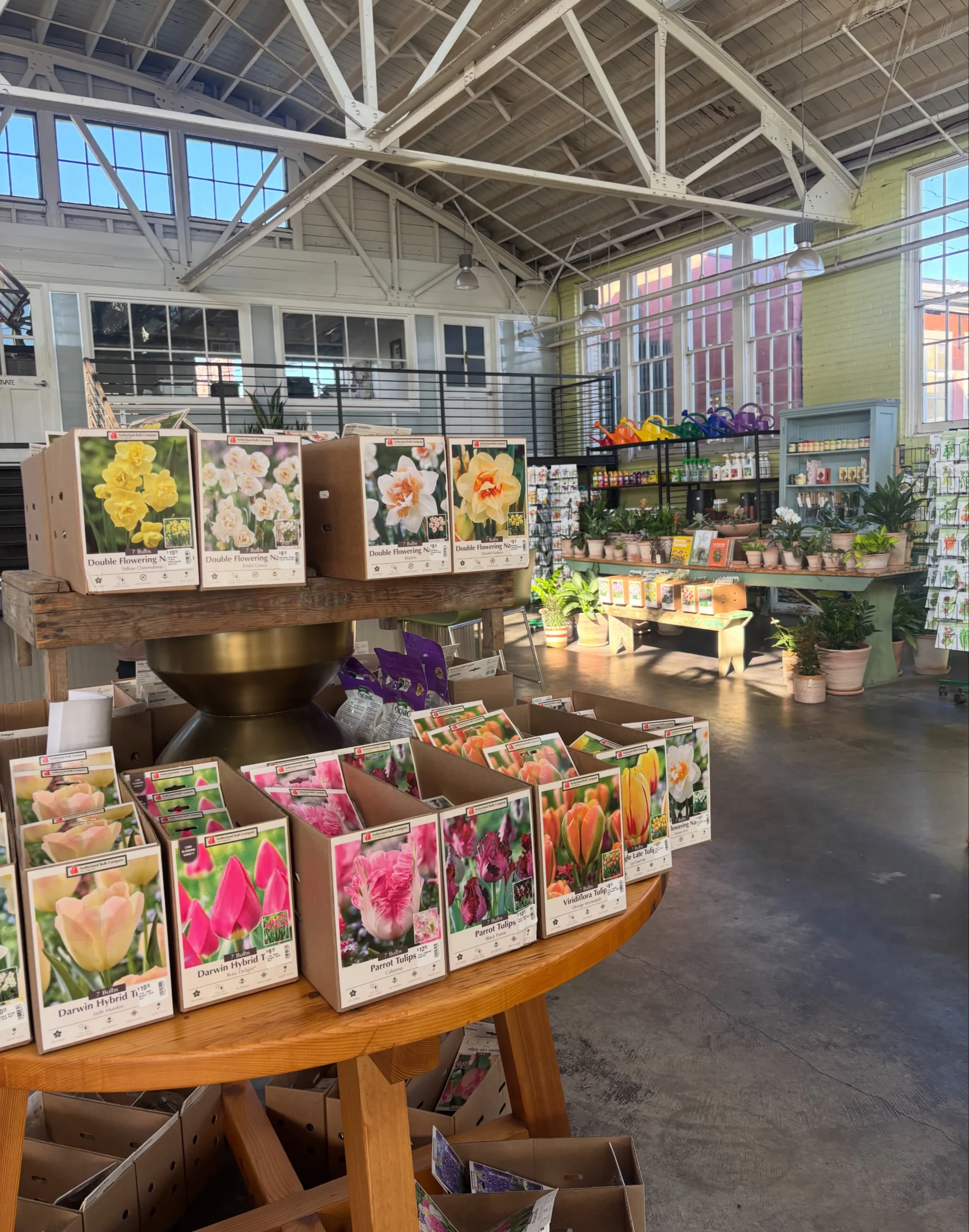
Beds are planted from inside and judged from inside the house. A window audit shows which colors dominate and which vanished. One moved group fixes most imbalances.
Stand at each main window in peak bloom and photograph every bed. Each palette color should hold roughly a third of the visible bloom. Move one potted feature per Tip 20 into any color’s thin spot for instant balance.
27. Add One Evening Layer: Pale Flowers and a Lantern Line

credit: @themontydon
Dark gardens end at sunset; pale blooms extend them to dusk. Cream flowers glow longest in low light. One lantern line along the path finishes the evening view.
Confirm every bed holds at least one cream group visible from the patio. Set solar lanterns every 8 feet along the garden path at 2700K warmth. Test the view from the main seat at dusk and move one lantern per dark gap.
28. Photograph Every Bed at Its Peak for Next Year’s Plan

credit: @theoldfarmersalmanac
Memory flattens what bloomed when by next spring. One photo per bed per month archives the true calendar. The set corrects next year’s Tip 5 grid with evidence.
Photograph every bed monthly from the same two points, window and path. Save the set in one album named with the year beside your bloom calendar. Note every gap month honestly; next spring’s shopping list starts there.
Flower Garden Maintenance and Seasonal Habits
Flower gardens live on a seasonal rhythm, not daily fuss. These habits divide clumps, protect winter crowns, and reset beds each spring. Each habit takes under an hour per bed.
29. Divide Perennials Every Three Years in Early Spring

credit: @themontydon
Crowded clumps bloom less each year as centers die out. Division at three years restores vigor and multiplies plants free. Early spring division heals before summer stress.
Lift clumps whose centers thin or whose bloom count drops. Split them with two forks back to back into fist-sized pieces. Replant the strongest pieces at group spacing and gift or compost the rest.
30. Cut Back and Mulch Crowns Before the First Hard Frost
credit: @danmuysmp
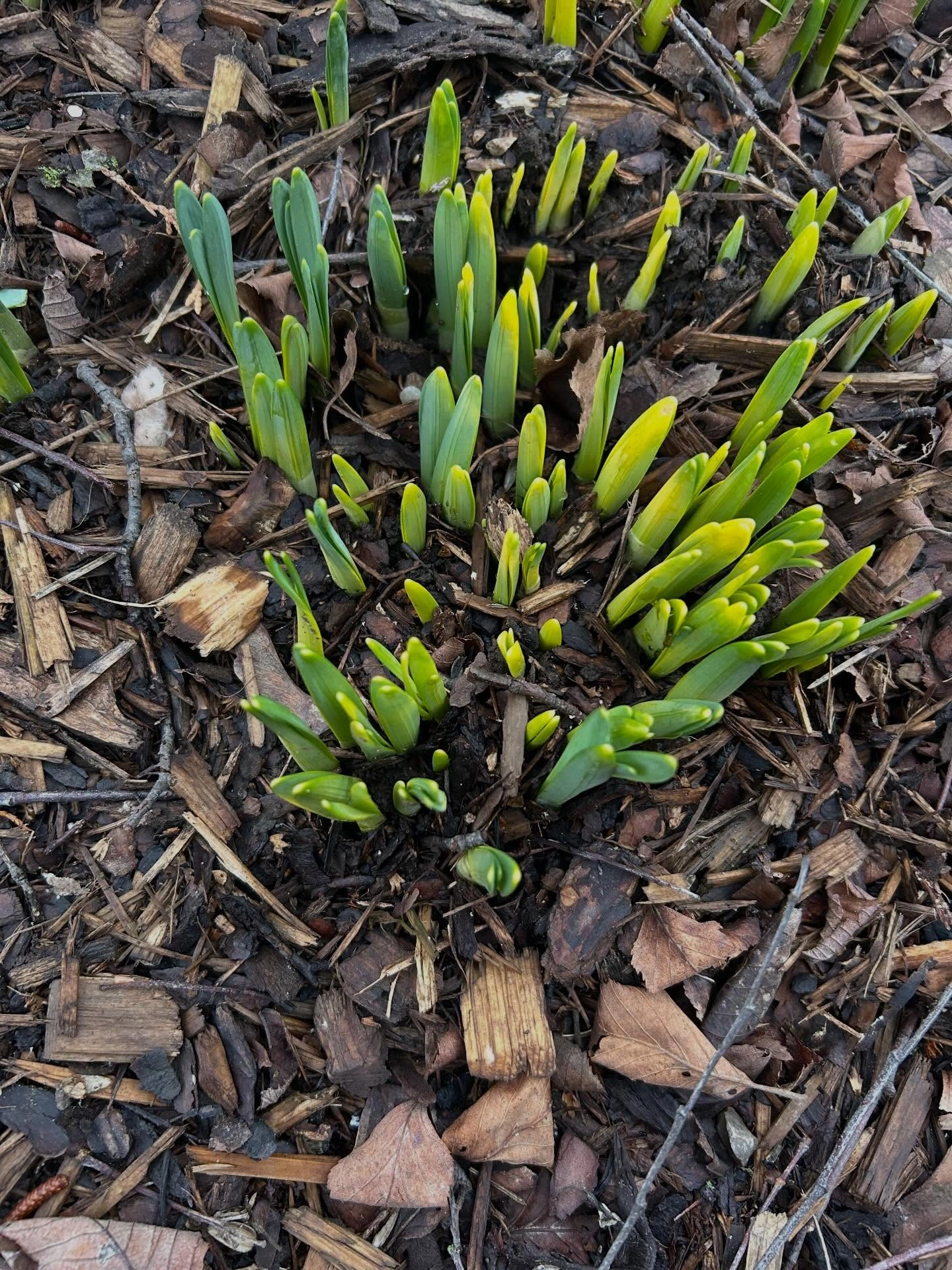
Bare crowns freeze and heave through winter thaws. A cut-back plus a fresh mulch blanket holds them steady. Fall seed heads stay standing for birds, per Tip 24.
Cut spent perennial stems to 3 inches after the first frost blackens them. Spread 2 fresh inches of mulch over crowns once the ground cools. Mark bulb drifts with small stakes so spring digging never spears them.
| Winter Job | Timing | Depth or Height |
|---|---|---|
| Cut back | After first frost | 3-inch stems |
| Crown mulch | Ground cooled | +2 inches |
| Bulb markers | At cut-back | Visible stakes |
31. Edge, Weed, and Top-Dress Beds Every Spring

credit: @floomofficial
Spring reset decides the season’s whole workload. Fresh edges, early weeding, and a compost top-dress cut summer chores in half. One weekend per bed does the full pass.
Re-cut every bed’s trench edge per Tip 9. Pull weeds while soil is soft and roots are shallow. Spread 1 inch of compost as top-dressing before the mulch check from Tip 21.
32. Walk the Garden Weekly With the Bloom Calendar in Hand
credit: @jothompsongarden
Small problems become rebuilds when they hide for a season. A weekly calendar walk catches gaps, pests, and thirst while fixes stay small. Fifteen minutes protects the whole investment.
Walk every bed weekly with the Tip 5 calendar and a pencil. Mark gaps, spent groups, dry zones, and pest damage on the calendar itself. Fix the smallest item on the spot; schedule the rest within the week.
Common Flower Garden Mistakes
| Mistake | Why It Hurts | Fix |
|---|---|---|
| Planting one of everything | Beds read as scattered dots | Group in odd numbers, Tip 8 |
| Ignoring the bloom calendar | Color gaps hit mid-season | One peak per month, Tip 5 |
| Shallow bulb planting | Bulbs flop and split early | Three times height deep, Tip 11 |
| Sprinkler watering flowers | Disease spreads on wet blooms | Drip at the roots, Tip 22 |
| Skipping deadheading | Plants seed and stop blooming | Twice weekly, Tip 24 |
| Staking after stems fall | Fallen stems never recover | Stake at half height, Tip 25 |
Flower Gardens by Space and Situation
Small Gardens
Run one deep curved bed along the sunniest fence and plant all three layers tightly. The cutting patch becomes one row at the bed’s back. Vertical climbers carry the second color layer.
Shady Gardens
Swap the sun stars for hostas, astilbe, and bleeding heart in the same three-layer system. Cream becomes the lead color; it glows in shade where coral dulls. Mulch and drip rules stay unchanged.
Dry and Hot Gardens
Lead with lavender, coneflowers, and sedum, all drought-strong once rooted. Mulch at a full 3 inches and run drip at dawn only. Gravel top-dressing replaces bark in the driest beds.
Beginners
Start with one bed, three perennial groups per season, and the bulb layer. The calendar grid keeps choices honest at the nursery. Expand by one bed each spring, never mid-season.
Frequently Asked Questions
How do I start a flower garden for beginners?
Map the sun, test the soil, and draw a bloom calendar before buying. Plant one bed in three layers with perennial groups for spring, summer, and fall. Tips 1 to 5 set the full foundation in one weekend.
What flowers bloom all season long?
No single flower blooms all season; succession does. Coneflowers, daylilies, and lavender carry summer longest, while annual zinnias bridge every gap. The calendar in Tip 5 chains all three seasons together.
How do I plan a flower garden layout?
Cut curved beds at least 3 feet deep and plant in three layers by mature height. Group every plant in odd numbers and repeat groups for rhythm. Tips 6 to 8 give the full measured method.
How far apart should I plant flowers?
Space plants by their mature width on the tag: mid perennials at 18-inch centers, front edging at 12 inches. Crowding by pot size is the most common spacing error. Tip 7 sets the layer spacings.
How much does a flower garden cost?
A perennial-based garden lands between $150 and $400 with the split in Tip 4. Perennials take $180 because they return yearly. Bulbs and annuals fill the rest at the lowest cost per bloom.
How do I keep flowers blooming all summer?
Deadhead twice a week, water at the roots on drip, and feed once at spring bud set. Sow annual fillers into every calendar gap. Tips 15, 22, and 24 carry the full system.
When should I plant a flower garden?
Plant perennials and shrubs in spring or fall, bulbs in fall, and annuals after the last frost. Beds get built and composted any frost-free weekend. The seasonal section above orders the whole year.
What are the easiest flowers to grow?
Coneflowers, daylilies, lavender, and zinnias forgive beginners almost everything. All four fit the palette system and bloom for months. Tips 13 and 15 cover their planting and care.
How do I maintain a flower garden?
Mulch at 3 inches, divide perennials every three years, and reset beds each spring with edging and top-dressing. A weekly calendar walk catches the rest. Tips 29 to 32 set the full rhythm.
Conclusion
Season-long flower gardens run on one system. Keep a bloom calendar with a peak every month, plant beds in three layers of odd-numbered groups, and deliver water at the roots on a timer. The styling pass balances colors from the windows and lights the evening view. The care habits divide, mulch, and reset on a seasonal rhythm. Map the sun this weekend, draw the calendar tonight, and let the succession do the blooming.